



Rachel Pendergraft
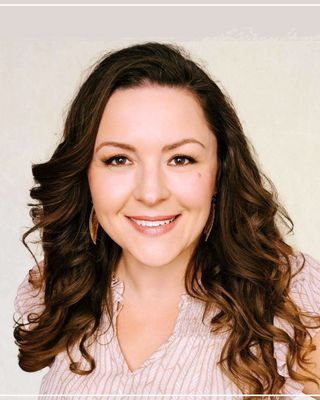
Rachel Pendergraft, LMFT, Senior Therapist & Clinical Supervisor
She/her/hers
Licensed in: VA
Clients I work with: Individuals and Couples
Issues I work with: Communication, emotional intimacy, deepening connection in relationships, pursue/withdraw patterns, attachment injury repair, sex, family of origin issues, adverse childhood experiences, trust, boundaries, codependency, anxiety, depression, ADHD, life transitions, menopause, trauma, first responders, and military life.
About Me
My Approach
At the heart of my therapeutic approach is a deep understanding of our fundamental human need for connection. We are wired to seek closeness, comfort, and emotional security with the people who matter most to us. From our earliest relationships, we begin developing an understanding of who we are, what we can expect from others, and how to navigate the emotional vulnerability that comes with loving and needing someone.
These experiences shape our attachment patterns: the ways we reach for connection, express our needs, respond to emotional distance, and protect ourselves when we feel hurt, uncertain, or alone. Much of this happens outside our conscious awareness. Over time, the ways we have learned to manage vulnerability can become deeply ingrained, influencing not only how we experience relationships but also how we experience ourselves within them.
As a Licensed Marriage and Family Therapist with over 15 years of clinical experience, my work draws deeply on family systems theory, attachment theory, trauma-informed approaches, Internal Family Systems (IFS), and Emotionally Focused Couples Therapy (EFT). EFT is an evidence-based, experiential approach rooted in attachment science, emotion, and the transformative power of human connection.
One of the central understandings of EFT is that emotion is not simply a reaction to our experiences; it is a powerful organizing force in how we understand ourselves, interpret our relationships, and respond to the world around us. Our emotions carry important information about what matters to us, what feels threatened, and what we need to feel safe, loved, and connected. Yet many of us have learned to conceal, minimize, or protect our most vulnerable feelings, particularly when expressing them has not consistently led to comfort or understanding.
When an important relationship feels emotionally uncertain, our attachment system responds, and our protective strategies come online. We may become more sensitive to signs of distance, seek reassurance, push for a response, or grow frustrated when our attempts at connection go unanswered. Others may turn inward, intellectualize, withdraw, or try to manage their emotions privately. These responses can appear contradictory, but they often emerge from the same deeply human longing: to feel safe, valued, accepted, and emotionally connected.
What makes these patterns particularly difficult is that the very strategies we use to protect ourselves from disconnection can unintentionally create more of it. The more one person reaches, the more the other may retreat. The more one withdraws, the more urgently the other may seek connection. Beneath these interactions are often emotions and attachment needs that neither partner has found a safe or effective way to communicate.
This is where the integration of family systems, parts work, and Emotionally Focused Therapy becomes so meaningful in my work with individuals and couples.
Rather than focusing primarily on the content of disagreements or teaching new communication techniques, EFT helps us understand the emotional process unfolding beneath these interactions. We begin to identify the protective patterns that organize your responses, the more vulnerable emotions that give rise to those patterns, and the attachment fears and longings that often remain unspoken. Anger may conceal a fear of abandonment or not mattering. Withdrawal may protect against the pain of feeling inadequate or disappointing someone you love.
EFT is an experiential model. We do not simply talk about emotions, attachment needs, and relational patterns from a distance. We work with them as they emerge in the therapeutic process, slowing down familiar responses, accessing the deeper emotional experiences beneath them, and creating opportunities for something different to happen.
My work is not simply about changing how people communicate; it is about helping individuals and couples transform how they experience themselves and one another in their most important relationships. I bring warmth, curiosity, clinical experience, and careful attention to the emotional process unfolding in the room. My role is to help create the safety necessary for deeper exploration while actively guiding the work toward meaningful emotional and relational change. Vulnerability cannot be forced, and lasting change is not simply a matter of trying harder or knowing better. It develops through repeated experiences that allow us to feel, understand, and respond in new ways.
Ultimately, I believe that a secure relationship is not one without differences, difficult emotions, or moments of disconnection. It is one in which we can remain emotionally accessible to ourselves and one another, find our way back after moments of distance or conflict, and trust that our needs and vulnerabilities have a place in the relationship.
My hope is to help you cultivate this kind of security—a deeper sense of being known, accepted, valued, and emotionally connected, both within yourself and with the people you love.
Couples Therapy
You may love your partner deeply and still find yourselves feeling distant, misunderstood, or emotionally out of step. Perhaps conversations that once felt easy have become more difficult, moments of connection are harder to find, or you miss the warmth and closeness you once shared. You may both want the same thing—to feel loved, understood, and important to one another—but have different ways of reaching for it.
In my work with couples, I help partners understand not only what happens between them, but why these patterns develop and what is happening emotionally beneath the surface. It may be that you each have a different way of navigating emotions, conflict, disconnection, or stress. I take time to understand each of your perspectives, helping translate the emotions, intentions, and relational “misses” that can pull you apart. Often, one partner tends to pursue connection, increasing their efforts when they cannot feel their partner emotionally available, while the other moves into problem-solving or withdraws in an effort to reduce tension and defuse conflict.
These different strategies can create familiar patterns of frustration, misunderstanding, and protectiveness that become difficult to find a way out of. Although the responses may look very different, both partners are often trying to protect themselves or the relationship. Unfortunately, each person’s response can unintentionally reinforce the other’s fears, leaving both feeling increasingly disconnected.
Emotionally Focused Couples Therapy allows us to slow these moments down and begin understanding the deeper emotional experiences driving them. Rather than focusing solely on disagreements or communication strategies, we explore the attachment needs, vulnerabilities, and longings that can be difficult to recognize or express.
I help partners move from reacting to one another’s protective strategies toward recognizing and responding to the more vulnerable person underneath. Where criticism once communicated “You never make time for me,” there may be an opportunity to share “I miss you, and sometimes I’m afraid I’m not as important to you as I want to be.” Where withdrawal may have appeared to communicate indifference, there may be room to express “I care so much about us, and I’m afraid of getting it wrong or letting you down.”
These are not simply different ways of communicating the same message. They are opportunities for new emotional experiences. When one partner can risk reaching from a place of vulnerability and the other can remain emotionally present, responsive, and engaged, something begins to change in the relationship itself.
The experience of being genuinely reached for, understood, comforted, and emotionally met can begin to reshape deeply held expectations about love and connection. The questions that often live quietly beneath our attachment patterns—Do I matter to you? Can I reach you? Will you be there when I need you? Am I safe to let you see all of me?—can begin to receive new answers through the relationship.
Over time, these experiences help partners develop a more secure emotional bond. Rather than relying on protective responses to manage uncertainty, they become better able to turn toward one another, share their inner worlds, and offer the reassurance and responsiveness that make closeness feel safe. Through carefully guided experiences in therapy, we work toward developing new ways of reaching for, responding to, and finding comfort in one another.
I particularly enjoy working with couples who value their relationship and want to invest in making it more emotionally fulfilling. Whether you are hoping to reconnect after a period of distance, strengthen your emotional intimacy, navigate a life transition together, or deepen an already meaningful bond, our work focuses on helping your relationship become a more reliable source of comfort, connection, and security.
Individual Therapy
Our relationships shape so much of who we become. From our earliest experiences, we learn what it means to be loved, whether our emotional needs will be met, how much of ourselves we can safely express, and what we must do to maintain connection with others.
Sometimes these early lessons become patterns that no longer serve us. You may struggle to recognize or communicate your needs, question your worth in relationships, feel responsible for other people’s emotions, or find yourself repeating familiar ways of relating despite wanting something different.
The same attachment understanding that informs my work with couples also guides my work with individuals. Together, we explore how your family experiences, attachment relationships, and emotional history have shaped your sense of self, your emotional world, and the ways you have learned to navigate closeness, vulnerability, and connection.
We make space for the parts of you that have learned to adapt, protect, or remain hidden, including the emotions and needs that may not have always felt safe to express. Through this process, we work toward developing greater self-compassion, emotional flexibility, stronger boundaries, and a more secure sense of self.
As you begin to understand the origins of your protective patterns and develop a deeper connection with your emotional needs, new ways of relating become possible. My goal is to help you build confidence in your ability to create relationships that feel reciprocal, secure, and fulfilling, while becoming more deeply connected to yourself.
I believe healing involves welcoming the fullness of who you are, including the parts of your experience that may not have always felt accepted or understood. Together, we can move toward a greater sense of wholeness, self-worth, and freedom in how you experience yourself and your relationships.
My Background
I bring over 15 years of clinical experience working with individuals, couples, and families across a variety of therapeutic settings, including in-home services, outpatient care, and private practice. I received my Master of Arts in Marriage and Family Therapy from George Fox University in Portland, Oregon.
Emotionally Focused Therapy is central to my clinical identity and ongoing professional development. I have completed both the EFT Externship and Core Skills training and continue to deepen my knowledge and practice of this model, with the longer-term goal of becoming an EFT supervisor and supporting other therapists in developing their expertise in this transformative approach.
I serve as a Senior Therapist and Clinical Supervisor within our Systemic Residency Program, where I support developing therapists in strengthening their clinical skills, discovering their therapeutic identities, and deepening their understanding of how their own experiences influence their work with clients.
My approach is warm, engaged, and thoughtful, grounded in a deep respect for the complexity of human relationships. I bring empathy, humor, intuition, and clinical experience into the therapy room, recognizing the courage it takes to explore the most vulnerable parts of ourselves.
I practice with cultural humility and am a sex-positive, kink-aware, and LGBTQIA+-allied therapist. I welcome the fullness of your humanity and consider it a privilege to accompany you in creating greater connection, security, and emotional well-being.