




Connection, depth, and increasing access to specialized care is our mission, so we choose to offer services in multiple locations via telehealth sessions.
Telehealth Services
Online Therapy Designed for Deep, Meaningful Work
Telehealth therapy offers more than flexibility and convenience. For many people, it creates a therapeutic environment that supports deeper emotional work, greater accessibility, and a more thoughtful pace for processing difficult experiences.
Working from your own home can allow you to enter therapy from a place that already feels familiar. You are surrounded by your own belongings, able to choose where you sit, adjust the lighting, bring a blanket or comforting object, and create an environment that supports your nervous system. Rather than having to adapt yourself to a clinical space, the therapeutic setting can be shaped around what helps you feel most grounded and present.
This can be especially valuable when therapy involves trauma, attachment wounds, painful relationship experiences, or emotions that have previously felt difficult to access.
Deep therapeutic work can sometimes leave you feeling emotionally tender or physically tired. After an in-person session, you may need to quickly collect yourself, walk through a waiting room, drive home, take public transportation, or return immediately to the demands of the day.
Telehealth allows the transition out of therapy to happen more gently.
You can remain in a private, familiar environment, take time to breathe, rest, connect, hold, journal, move your body, or sit quietly after the session. For many individual and couples clients, this supports nervous system regulation and makes it easier to integrate what emerged without having to immediately shift back into life.
The comfort of home does not make the work less significant. In many cases, it creates the conditions that allow clients to approach difficult material with greater openness.
Telehealth Services
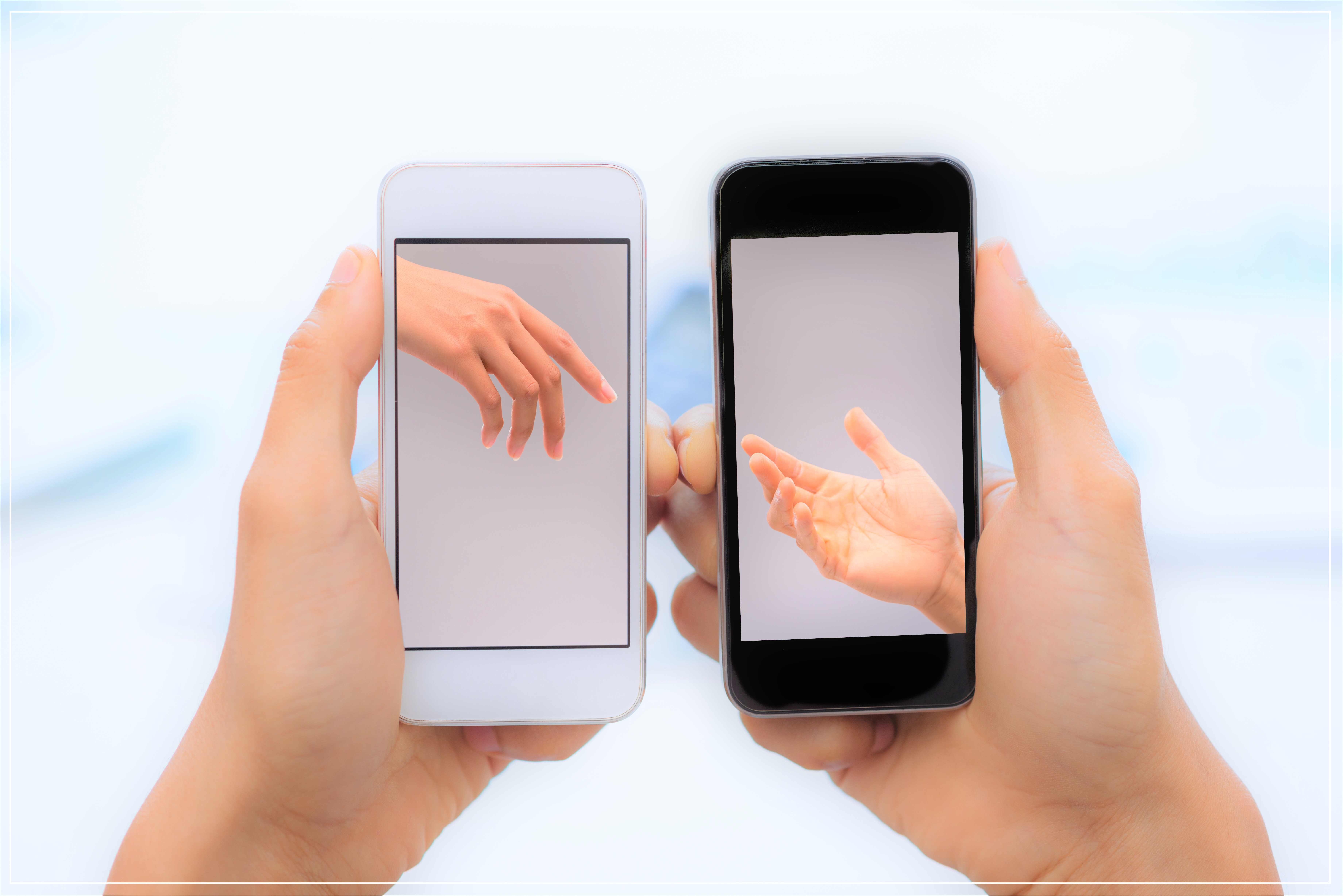
We are proud to support our clients in connecting with themselves and their loved ones in accessible and flexible ways
Greater Control and Autonomy
A Therapeutic Environment Tailored To You
Trauma-informed and relational therapies require careful attention to pacing. Meaningful healing does not come from pushing through overwhelming experiences or conflict as quickly as possible. It develops through gradually building the capacity to remain connected to yourself and/or your partner, while approaching what has previously felt too painful, overwhelming, or missed.
The virtual setting can offer clients a stronger sense of agency within this process. You may find it easier to notice when you need to slow down, ask for a pause, adjust your position, lean in, reach for something grounding, touch, or space.
Even the presence of the screen can provide a gentle layer of distance when direct emotional contact feels intense. This does not prevent connection. Instead, it can help some clients remain engaged without becoming overwhelmed, allowing deeper work to unfold at a pace their nervous system can tolerate.
There is no single environment that helps every person feel safe enough for therapy. Some people think more clearly while sitting at a desk. Others feel more grounded on a sofa, near a window, wrapped in a blanket, or with a pet nearby.
Telehealth gives you greater freedom to shape the physical environment around your individual needs.
This can be particularly supportive for people who experience sensory sensitivity, ADHD, chronic pain, fatigue, mobility limitations, anxiety in unfamiliar spaces, or difficulty settling in traditional clinical environments. Small choices—such as adjusting the temperature, changing the lighting, using headphones, moving during the session, or keeping familiar grounding objects nearby—can make it easier to stay emotionally present.
Therapy becomes less about fitting into a predetermined setting and more about creating the conditions that support your particular way of processing.
Therapy Online
Increased Access and Confidentiality
Our Focus On Deep Connection
The therapist who is best suited to support you may not be located in your immediate community. Working with therapists who do not live and work in your area can offer an additional layer of confidentiality and privacy to your work.
Telehealth expands access to clinicians with specialised training in areas such as trauma, attachment, couples therapy, sex therapy, nervous system regulation, perfectionism, people-pleasing, intergenerational cycle breaking, identity, and other concerns that may require more specialization than general supportive counselling can offer.
Rather than limiting your search to therapists within driving distance, you can work with a clinician licensed in your state whose approach, experience, and therapeutic style are better aligned with what you need.
This can be especially important when you have already developed considerable insight but continue to feel stuck in patterns that insight alone has not changed.
Some people worry that online therapy may feel distant or impersonal. Yet many clients find that meaningful emotional connection develops naturally through telehealth.
The quality of therapy depends less on whether two people are sitting in the same physical room and more on the therapist’s ability to remain emotionally present, attuned, responsive, and skillfully guide the therapeutic process.
When therapy is grounded in a strong and skilled therapeutic relationship, the screen does not have to become a barrier. It can become part of a secure and carefully held therapeutic space—one where you can feel seen, supported, and accompanied while doing deeply personal work.
Online therapy can offer the accessibility of meeting from home without sacrificing depth, connection, or clinical intention. For many people, it provides exactly the combination of safety, agency, consistency, and specialised support needed for meaningful change.