Category Archives: Blog

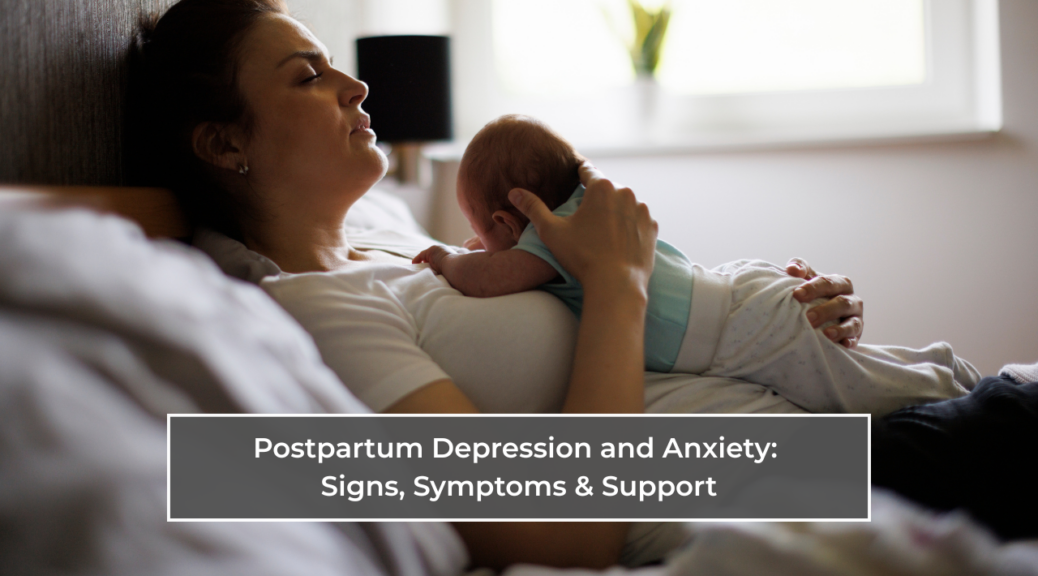
Postpartum Depression and Anxiety: Signs, Symptoms & Support

Welcoming a baby into the world can bring joy and excitement, but for many mothers, the postpartum season also comes with emotional struggles that feel overwhelming and isolating. Feelings of sadness, anxiety, fear, exhaustion, or emotional numbness may appear after childbirth and, in some cases, develop into postpartum depression or anxiety, yet many women stay silent because they fear being judged or misunderstood.

Early awareness can help women recognize symptoms, seek support, and begin recovery without shame.

Understanding Postpartum Mental Health

The postpartum period is a major life transition. A mother is recovering physically from childbirth while also adjusting emotionally to caring for a newborn. Hormonal changes, sleep deprivation, feeding schedules, and lifestyle adjustments can all affect emotional well-being.

While emotional ups and downs are normal after birth, persistent sadness or anxiety should not be ignored. Postpartum mental health conditions can affect women of any age, background, or parenting experience. Some symptoms appear immediately after childbirth, while others develop gradually over several weeks.

What Is Postpartum Depression and Anxiety?

Postpartum depression is a mental health condition that causes ongoing feelings of sadness, hopelessness, guilt, or emotional disconnection after childbirth. It is more intense than normal stress or exhaustion. Mothers may struggle to enjoy daily life, connect with their baby, or feel emotionally stable.

Postpartum anxiety focuses more on excessive fear and constant worry. A mother may feel unable to relax because her mind constantly imagines worst-case scenarios involving her baby or family. Even when reassured, the fear may remain intense.

Some women experience both conditions at the same time. Because symptoms often overlap, many mothers do not immediately realize they are dealing with postpartum depression and anxiety, which is why many mothers struggle to identify what they are experiencing.

Why Mental Health Changes After Childbirth

After childbirth, hormone levels change rapidly. These shifts can influence mood, stress levels, and emotional regulation. At the same time, physical recovery from labor places additional strain on the body.

Sleep deprivation also plays a major role because many new mothers experience interrupted sleep for weeks or months, which can increase irritability, emotional exhaustion, and anxiety. Relationship changes, financial pressure, and the responsibility of caring for a newborn can add even more stress.

Mothers may also feel pressured to appear happy all the time, even when they are struggling emotionally.

Common Symptoms of Postpartum Depression

Many mothers describe feeling emotionally disconnected, empty, guilty, or overwhelmed most of the time. Activities that once felt enjoyable may suddenly feel exhausting or meaningless.

Common symptoms may include:

  • Persistent sadness or crying spells
  • Feelings of worthlessness or guilt
  • Loss of interest in daily activities
  • Difficulty bonding with the baby
  • Changes in appetite or sleep
  • Fatigue that feels emotionally heavy
  • Irritability or anger
  • Difficulty concentrating

Some women also feel shame because they are not experiencing the joyful motherhood they expected. This emotional conflict can increase isolation and make it harder to ask for help.

Common Symptoms of Postpartum Anxiety

Postpartum anxiety is often characterized by excessive fear and constant mental tension. A mother may feel unable to stop worrying even when reassured by others. Her mind may continuously imagine worst-case scenarios involving her baby or family.

Physical symptoms are also common and may include a racing heartbeat, dizziness, nausea, muscle tension, or panic attacks. Some mothers become hypervigilant, repeatedly checking on the baby throughout the night or avoiding situations they perceive as unsafe.

Unlike general stress, postpartum anxiety can become consuming. Constant fear may interfere with rest, eating, concentration, and emotional connection with loved ones. Over time, the body remains in a heightened state of alertness, which increases exhaustion and emotional strain.

Postpartum Anxiety vs Depression: Understanding the Difference

Although postpartum anxiety and depression can happen at the same time, they are not exactly alike. Understanding the difference can help mothers better recognize their symptoms and seek the right kind of support.

Postpartum depression is often associated with emotional heaviness, sadness, hopelessness, and loss of motivation. Postpartum anxiety, on the other hand, is usually centered around excessive worry, fear, racing thoughts, and difficulty relaxing.

The Difference Between Baby Blues and Postpartum Disorders

The “baby blues” are common during the first few days after childbirth. Many mothers feel emotional, tearful, or overwhelmed as their bodies adjust to hormonal changes. These feelings usually improve within two weeks.

Postpartum depression and anxiety are different because symptoms last longer and interfere with daily life. A mother may feel persistently sad, fearful, emotionally numb, or mentally exhausted for weeks or months.

Other Postpartum Mental Health Conditions

Postpartum depression and anxiety are the most widely discussed maternal mental health conditions, but they are not the only ones that can occur after childbirth.

Some women experience intrusive thoughts, obsessive behaviors, or more severe psychiatric symptoms. 

1. Postpartum OCD and Intrusive Thoughts

Postpartum OCD involves unwanted and distressing thoughts that create intense anxiety. A mother may fear accidentally harming her baby even though she has no intention of doing so.

These thoughts can feel frightening, which is why many women keep them secret. However, intrusive thoughts are more common than many people realize.

Some mothers also develop repetitive behaviors such as constant checking or excessive cleaning in an attempt to reduce anxiety.

2. Postpartum Psychosis?

Postpartum psychosis is rare but extremely serious. Symptoms may include hallucinations, confusion, paranoia, or severe mood changes.

Unlike anxiety or depression, postpartum psychosis can affect a person’s sense of reality. Symptoms may appear suddenly within days after childbirth.

When Symptoms May Need Professional Attention

A helpful guideline is to consider how long symptoms last and how strongly they affect daily life.

Professional support may be necessary if symptoms:

  • Persist for more than two weeks
  • Interfere with bonding or caregiving
  • Causes severe anxiety or panic
  • Affect eating or sleeping consistently
  • Lead to emotional numbness or hopelessness
  • Make daily tasks feel unmanageable

Seeking help early does not mean someone is weak or incapable of parenting. In fact, recognizing the need for support is often a strong and responsible step toward healing

Seeking Help and Treatment

One of the biggest barriers to recovery is the belief that mothers should manage everything alone. Many women feel guilty asking for help because they believe they should be able to handle motherhood without support.

In reality, seeking help is a healthy and responsible step. Healing often happens gradually through a combination of emotional support, proper care, rest, and patience during the postpartum recovery process and there is no single path to healing from postpartum depression and anxiety.

Therapy, Medication, and Lifestyle Support

Recovery often improves when emotional support is combined with healthy daily habits. Rest, hydration, nutrition, and gentle physical activity can positively affect emotional well-being.

Cognitive behavioral therapy (CBT) is one approach often used to help mothers work through anxious thoughts, self-criticism, and emotional overwhelm. Support groups can also make a meaningful difference by reminding mothers that they are not alone in what they are experiencing.

Mothers may also benefit from accepting help with childcare, meals, or household responsibilities. Recovery is about creating stability, support, and healthier coping patterns over time.

Self-Care Tips for New Mothers

Self-care during postpartum recovery should focus on rest and emotional restoration rather than perfection. Simple habits like short walks, regular meals, staying connected with supportive people, and taking small moments to rest can make a meaningful difference.

Self-care does not need to be elaborate. Sometimes, the most important forms of care are sleep, reassurance, and emotional support.

Final Thoughts on Postpartum Mental Health

Postpartum depression and anxiety are real and treatable mental health conditions that affect many women after childbirth. Emotional struggles during the postpartum season do not reflect weakness or failure.

The more openly society discusses maternal mental health, the easier it becomes for mothers to seek help without shame. Compassionate support, professional care, and honest conversations can make recovery feel less isolating.

No mother should feel alone during postpartum recovery. With the right support, healing and emotional wellness are possible.

If postpartum depression or anxiety has made this season feel heavier than expected, compassionate support is available. Reaching out for help can be an important first step. Contact The Center for Connection, Healing & Change to schedule a consultation to support your healing and emotional stability during postpartum recovery.

Is Telehealth Therapy Right for You? A Practical Guide to Online vs In-Person Care

With more flexible and accessible options available today, choosing how you receive mental health care is just as important as choosing to seek help in the first place. These options come with a new kind of question: how do you choose the right format for support?

This guide breaks down how telehealth therapy works, how it compares to in-person care, and what factors should influence your decision—so you can move forward with clarity, not guesswork.

What Is Telehealth Therapy and How Does It Work?

Telehealth therapy is mental health counseling delivered remotely through video calls, phone sessions, or secure messaging platforms. Instead of going to a physical office, you meet your therapist from a location that feels comfortable and private—often your home.

A typical session follows the same structure as in-person therapy. You’ll check in, discuss what’s on your mind, and work through thoughts, emotions, or patterns with guidance from a licensed professional. The biggest difference is the setting, not the quality of care.

What Telehealth Therapy Actually Looks Like

Most sessions last 45–60 minutes and take place on a secure video platform. After logging in, you’ll speak with your therapist in real time, much like a face-to-face conversation. 

To get started, you only need:

  • A stable internet connection
  • A quiet, private space
  • A phone, tablet, or computer

Over time, many people find that the screen becomes less noticeable as the focus shifts to the discussion itself.

How It Compares to In-Person Therapy

Both telehealth and in-person therapy use the same evidence-based approaches, such as cognitive behavioral therapy (CBT) and talk therapy. The difference lies in how you experience the interaction.

  • Telehealth offers flexibility and convenience but requires you to create your own focused environment
  • In-person therapy provides a structured, distraction-free space but requires travel and scheduling adjustments

Neither is inherently “better”—the right choice depends on your preferences, routine, and comfort level.

Does Telehealth Therapy Really Work?

A common concern is whether virtual therapy is as effective as sitting in a therapist’s office. Research shows that for many people—especially those dealing with anxiety, stress, or mild to moderate depression—telehealth therapy can be just as effective as in-person care.

What matters most is the consistency of sessions and the quality of the therapeutic relationship. If you feel comfortable, engaged, and supported, meaningful progress can happen in either setting.

When Telehealth Is a Strong Option

Telehealth tends to work particularly well when your needs are structured and conversation-based. For example, if you’re learning coping strategies, working through stress, or managing anxiety, virtual sessions can be highly effective.

If you’re exploring support for anxiety, this resource offers a helpful overview of how therapy works:

https://www.thecenterforconnection.com/what-is-anxiety-therapy-and-how-can-counseling-help/

Telehealth is often a good fit if:

  • You can attend sessions consistently
  • You have stable internet that won’t interrupt the flow of conversation
  • You’re comfortable communicating online
  • You have a space where you can speak openly without distractions
  • You naturally feel connected remotely, as if in person

The Benefits of Telehealth Therapy

Telehealth therapy has become popular because it removes many of the barriers that prevent people from seeking help in the first place. Beyond convenience, it can make therapy feel more accessible and easier to maintain over time.

Convenience and Time Savings

One of the biggest advantages is how easily telehealth fits into your schedule. There’s no commute, no waiting room, and less need to block out large portions of your day.

For busy professionals, parents, or caregivers, this can be the difference between starting therapy and putting it off. When sessions are easier to attend, consistency improves—and consistency is key to progress.

Access to Care from Anywhere

Telehealth allows you to connect with therapists beyond your immediate location. This means you’re not limited to nearby providers and can choose someone who truly aligns with your needs.

It also gives you flexibility if your routine changes. Whether you’re traveling or relocating, you can often continue sessions without interruption.

Comfort, Privacy, and Reduced Pressure

Attending therapy from your own space can make it easier to open up. You’re in a familiar environment, which can reduce anxiety and help you feel more at ease discussing personal topics.

For some, it also removes the concern of being seen entering a clinic. That added sense of privacy can make starting therapy feel more approachable.

When In-Person Therapy May Be the Better Choice

While telehealth works well for many people, there are situations where in-person therapy may offer more support. These usually involve the need for closer observation, a stronger connection, or immediate care.

More Complex or Severe Needs

If you’re dealing with more complex mental health challenges, in-person therapy may provide a higher level of support. Therapists can pick up on subtle nonverbal cues and respond more quickly if needed.

In some cases, in-person care also makes it easier to access additional services or structured treatment options.

Preference for Face-to-Face Interaction

Some people simply feel more comfortable connecting in person. Being in the same room can make conversations feel more natural and grounded, especially when building trust with a therapist.

If you value that physical presence, it may enhance your overall experience.

Situations Requiring Immediate Support

In situations where immediate or intensive support is needed, in-person care is often the safer choice. It allows for quicker intervention and access to additional resources if necessary.

Telehealth vs. In-Person: Key Differences

Here’s a quick comparison to help you weigh your options:

Factor Telehealth Therapy In-Person Therapy
Convenience High (no travel) Lower (requires commute)
Flexibility Very flexible More structured
Environment Your own space Dedicated therapy setting
Connection Style Digital Face-to-face
Access to Providers Wider selection Limited locally

How to Decide What’s Right for You

Choosing between telehealth and in-person therapy comes down to what will help you stay consistent, comfortable, and engaged.

Start by asking yourself a few practical questions:

  • Do I have a private, distraction-free space for sessions?
  • Am I comfortable using video or phone for conversations?
  • What kind of support do I need right now?

If you’re unsure, trying telehealth first can be a simple way to explore your options. You can always switch to in-person sessions later or combine both approaches over time.

The most important step isn’t choosing the perfect format—it’s choosing to begin. The Center for Connection, Healing & Change offers telehealth services for clients in Virginia, Washington DC, Maryland, New York, Massachusetts, and Connecticut, making it easier to access care from the comfort of your home within these states. Learn more or connect with us: https://www.thecenterforconnection.com/contact/.

Attachment Styles in Adult Relationships: A Guide to Romantic Love

Attachment styles in adult relationships play a powerful role in how people experience love, trust, and emotional closeness. The way individuals connect with romantic partners is often influenced by patterns formed early in life, which shape expectations around intimacy, reassurance, and independence.

These patterns—known as attachment styles—affect how partners communicate, handle conflict, and respond to emotional needs. When people understand their own attachment tendencies and those of their partners, it becomes easier to recognize relationship dynamics that might otherwise feel confusing or frustrating.

Learning about attachment styles can help individuals build healthier communication patterns, develop stronger emotional security, and create more stable and fulfilling relationships.

What is Attachment Theory?

Attachment theory was originally developed by psychologist John Bowlby in the mid-20th century to explain the emotional bond between infants and their caregivers. Bowlby observed that early caregiving relationships influence how individuals perceive safety, trust, and connection throughout life.

Later research by Mary Ainsworth expanded the theory by identifying different attachment patterns in children based on how caregivers responded to their needs.

How Childhood Experiences Shape Adult Relationship Patterns

Early experiences with caregivers can shape expectations about emotional support and reliability. When caregivers are consistently responsive, children tend to develop a sense of security that carries into adulthood.

In contrast, inconsistent or emotionally distant caregiving can lead to uncertainty about relationships. These early patterns often become internal models for how people approach closeness, trust, and vulnerability in romantic relationships.

Why Attachment Theory Still Matters in Modern Relationships

Although attachment theory began with child development research, it has become highly relevant in understanding adult relationships. Studies show that attachment patterns influence relationship satisfaction, communication styles, and conflict resolution.

Recognizing these patterns can help couples understand recurring issues and develop healthier ways of responding to emotional needs.

The Four Attachment Styles in Adult Relationships

Secure Attachment: The Foundation of Healthy Relationships

People with secure attachment generally feel comfortable with emotional closeness while also maintaining independence. They trust their partners, communicate openly, and handle disagreements without feeling threatened by conflict.

Securely attached individuals are usually able to balance intimacy with autonomy, which helps create stable and supportive relationships.

Anxious Attachment: Fear of Abandonment and Emotional Intensity

Anxious attachment is often characterized by a strong desire for closeness combined with a fear of rejection or abandonment. People with this style may seek frequent reassurance and feel distressed when a partner seems distant.

This heightened sensitivity to relationship signals can sometimes lead to overanalyzing situations or interpreting neutral behavior as a sign of potential loss.

Avoidant Attachment: Independence and Discomfort With Closeness

Individuals with avoidant attachment tend to value independence and emotional self-reliance. They may feel uncomfortable with too much intimacy or vulnerability and prefer to keep emotional distance in relationships.

While they may care deeply about their partners, avoidant individuals sometimes withdraw when relationships become emotionally intense.

Fearful-Avoidant Attachment: The Push–Pull Between Connection and Fear

Fearful-avoidant attachment combines elements of both anxious and avoidant patterns. People with this style often desire closeness but simultaneously fear getting hurt.

This internal conflict can lead to inconsistent behavior in relationships—seeking connection at times while pulling away at others.

How Attachment Styles Influence Romantic Relationships

Creates Communication Patterns and Ways to Express Emotions

Attachment styles influence how partners express needs, respond to emotional cues, and interpret each other’s behavior. Someone with secure attachment might communicate directly about concerns, while someone with anxious attachment may seek reassurance more frequently.

Avoidant partners, on the other hand, may struggle to discuss emotions openly and might withdraw during emotionally charged conversations.

Shapes Trust, Intimacy, and Conflict

Trust and emotional safety often depend on how partners respond to vulnerability. Secure attachment tends to promote open dialogue and mutual support, while insecure patterns may lead to misunderstandings or emotional distance.

Conflict resolution can also differ depending on attachment style. Some partners seek closeness during disagreement, while others need space before engaging in discussion.

Certain Attachment Styles Often Attract Each Other

Many relationships form between partners with different attachment patterns. For example, individuals who seek closeness may feel drawn to partners who appear independent or emotionally steady.

However, these differences can sometimes create tension if partners interpret each other’s behaviors through the lens of their own attachment expectations.


Common Relationship Challenges Linked to Attachment Styles

Each attachment style can bring specific challenges to romantic relationships.

Anxious attachment may lead to concerns about rejection or a strong need for reassurance. This can sometimes create pressure on partners who feel responsible for constantly providing emotional validation.

Avoidant attachment can lead to emotional distance or difficulty expressing vulnerability. Partners may interpret this behavior as a lack of interest or commitment, even when the avoidant individual cares deeply.

Fearful-avoidant patterns often create mixed signals in relationships, where a person seeks connection but withdraws when intimacy increases.


The Anxious–Avoidant Relationship Cycle

One of the most common dynamics in relationships occurs when an anxious partner pairs with an avoidant partner. The anxious individual may seek closeness and reassurance, while the avoidant partner responds by creating emotional distance.

This pattern can create a push–pull cycle where each partner unintentionally reinforces the other’s fears.

Common Behaviors That Keep the Cycle Going

When the anxious partner pursues more connection, the avoidant partner may feel overwhelmed and withdraw further. This withdrawal can increase the anxious partner’s fears of abandonment, leading them to seek even more reassurance.

Over time, this cycle can create emotional exhaustion for both partners.

How Couples Can Break the Pattern

Breaking the anxious–avoidant cycle usually requires increased awareness from both partners. Anxious partners can benefit from developing emotional self-regulation and building confidence in the relationship.

Avoidant partners may need to practice greater openness with emotions and communicate when they need space without shutting down completely.

How to Identify Your Attachment Style

Many people notice patterns in their relationships, such as repeatedly feeling anxious about closeness or uncomfortable with emotional vulnerability. These patterns can provide clues about underlying attachment tendencies.

Reflecting on how you respond to conflict, emotional closeness, and reassurance can help clarify your attachment style. For example, consider whether you tend to seek more closeness during stress or prefer distance when emotions intensify.

Attachment patterns often operate unconsciously, which can lead individuals to repeat familiar relationship dynamics. Recognizing these patterns is an important step toward changing them.

Improving Relationships Through Attachment Awareness

Communicate Emotional Needs More Effectively

Clear communication helps partners understand each other’s emotional needs without relying on assumptions. Expressing concerns directly and listening actively can reduce misunderstandings.

Build Trust and Emotional Safety With Your Partner

Trust grows when partners consistently respond to each other’s needs with empathy and reliability. Small actions—such as keeping commitments or offering emotional support—help create a sense of stability in the relationship.

Develop More Secure Relationship Patterns

Even individuals with insecure attachment styles can move toward greater emotional security. Practicing openness, setting healthy boundaries, and developing self-awareness all contribute to stronger relationships.

Practical Habits That Help Develop Secure Attachment

Developing secure attachment often involves intentional habits that strengthen emotional connection.

Responding to a partner’s concerns with empathy helps create a sense of safety and understanding. Consistent communication also reduces uncertainty and builds trust over time.

Setting healthy boundaries allows both partners to maintain independence while staying emotionally connected. Strengthening emotional regulation—such as pausing before reacting during conflict—can also improve relationship stability.

Therapy and Professional Support for Attachment Issues

Individual therapy can help people explore how past experiences influence current relationship patterns. Through guided reflection, individuals can identify emotional triggers and develop healthier ways of responding.

Couples therapy often focuses on improving emotional communication and strengthening the bond between partners. Approaches such as emotionally focused therapy help couples recognize attachment needs and respond to them more constructively.

When Professional Support May Be Helpful

Professional support may be beneficial when relationship conflicts repeat frequently or when emotional disconnection becomes difficult to resolve. Therapy provides tools that help couples break unhelpful patterns and rebuild trust.

Frequently Asked Questions About Attachment Styles

Can attachment styles change over time?
Yes. While attachment patterns often form early in life, they can change through self-awareness, healthy relationships, and therapeutic support.

Can two insecure attachment styles have a healthy relationship?
Yes, but it often requires intentional communication and a willingness to understand each partner’s emotional needs.

How long does it take to develop a more secure attachment style?
There is no fixed timeline. With consistent effort, supportive relationships, and sometimes therapy, people can gradually develop more secure ways of relating to others.


Conclusion: Building Healthier Relationships Through Attachment Awareness

Understanding attachment styles in adult relationships provides valuable insight into how people experience love, intimacy, and emotional security. By recognizing attachment patterns, individuals and couples can better understand recurring relationship dynamics and respond to each other with greater empathy.

With awareness, communication, and intentional effort, partners can build stronger emotional bonds and develop healthier relationship patterns that support long-term connection.

For more insight into how past experiences shape adult relationships, check out this blog post: Finding Your Way Back: Healing Trauma Through Relationships.

If you want personalized guidance on improving your relationships and understanding attachment patterns, contact us to schedule a consultation with a trauma-informed therapist.

Trauma Therapy vs Traditional Talk Therapy: What’s the Difference?

Therapy offers a safe space to explore thoughts, emotions, and behaviors that may be causing distress or limiting personal growth. When comparing trauma therapy vs traditional talk therapy, it becomes clear that each approach serves a different purpose—especially when addressing the lasting effects of traumatic experiences. Understanding how these methods differ can help individuals choose the support that best fits their needs.

Therapy can help individuals manage mental health conditions, cope with life challenges, and develop healthier ways of responding to stress.

Traditional Talk Therapy Explained

Traditional talk therapy, often referred to as psychotherapy, primarily relies on conversation to explore emotional and psychological concerns. The therapist helps the client reflect on thoughts, behaviors, and past experiences to better how they influence present challenges.

This approach is particularly effective for individuals dealing with everyday stress, anxiety, or mild to moderate depression.

Key aspects of traditional talk therapy include:

Insight-focused discussions: Understanding how past experiences shape current thoughts and behaviors

Problem-solving support: Developing strategies to manage challenges in daily life

Emotional expression: Providing a safe space to talk about feelings

Cognitive restructuring: Techniques like Cognitive Behavioral Therapy (CBT) help change negative thought patterns

Traditional talk therapy can be used alone or combined with other forms of therapy, depending on a person’s needs. It is often the first step for those seeking mental health support before engaging in trauma-focused treatments like EMDR.

Trauma Therapy Overview

Trauma therapy is a specialized form of mental health treatment designed for individuals who have experienced traumatic or overwhelming events. 

It can affect the brain and nervous system, often leading to symptoms such as hypervigilance, emotional numbness, anxiety, or intrusive memories.

Trauma-informed therapy focuses on restoring safety, regulation, and control while helping clients process traumatic experiences without becoming overwhelmed.

Common Trauma Therapy Modalities

    • EMDR (Eye Movement Desensitization and Reprocessing)
    • Somatic therapy
    • Trauma-focused CBT

Rather than only discussing experiences, trauma therapy works directly with how trauma is stored in the brain and body.

Key Differences Between Trauma Therapy and Traditional Talk Therapy

Area of Comparison Traditional Talk Therapy Trauma Therapy
Focus of Treatment Emphasizes insight, self-awareness, and understanding thought and behavior patterns. Prioritizes nervous system regulation and processing traumatic experiences.
Healing Process Involves ongoing verbal exploration and reflection over time. Uses structured techniques to reprocess traumatic memories and reduce emotional intensity safely.
Therapist’s Role Primarily facilitates discussion and supports insight through conversation. Takes a more active, guiding role—supporting stabilization, resourcing, and trauma processing.
Emotional Safety Provides a supportive environment for discussion. Carefully paced to prevent retraumatization and ensure the client remains emotionally grounded.

Exploring EMDR Therapy

EMDR (Eye Movement Desensitization and Reprocessing) is an evidence-based trauma therapy that helps individuals reprocess distressing memories. During EMDR sessions, clients focus on a traumatic memory while engaging in bilateral stimulation, such as guided eye movements or tapping.

This process supports the brain’s natural ability to heal, allowing traumatic memories to be stored in a less distressing and more adaptive way.

Benefits of EMDR in Trauma Treatment

EMDR therapy has been shown to:

    • Reduce emotional distress linked to traumatic memories
    • Alleviate symptoms of PTSD, anxiety, and depression
    • Decrease physical symptoms such as tension and hyperarousal
    • Improve emotional regulation and self-esteem

Unlike traditional talk therapy, EMDR does not require detailed verbal retelling of traumatic events, making it especially helpful for individuals who find talking overwhelming.

Comparing EMDR and Traditional Therapy Techniques

While talk therapy focuses on changing thoughts and behaviors through discussion, EMDR targets the emotional and neurological impact of trauma. CBT helps reframe beliefs, whereas EMDR helps the brain reprocess experiences at a deeper level.

Both approaches can be effective, and in many cases, they are used together as part of an integrative treatment plan.

Somatic Therapy and Its Role in Trauma Treatment

What is Somatic Therapy?

It is a form of therapy that focuses on the connection between the mind and body, especially in relation to trauma. It operates on the principle that traumatic experience can become trapped in the body, leading to physical and emotional symptoms.

This approach aims to release this stored trauma through various techniques, such as movement, breathwork, and awareness of bodily sensations, helping clients heal from past trauma and find relief.

When combined with other trauma therapy modalities, such as EMDR therapy, somatic therapy can provide a more comprehensive and holistic approach to trauma recovery.

Benefits of a Somatic Perspective in Therapy

    • Improved body awareness and self-regulation
    • Reduction in chronic tension and stress responses
    • Access to trauma responses that may not be reachable through talk therapy alone

Somatic therapy is often combined with EMDR to support holistic trauma healing.

Finding the Right Therapist for Your Needs

How to Choose a Trauma Therapist

Look for a therapist who is specifically trained in trauma therapy modalities such as EMDR or somatic therapy.

It’s important to find someone who is trauma-informed, compassionate, and experienced in working with individuals who have experienced trauma.

Consider seeking recommendations or reading reviews to find a therapist who aligns with your needs.

Questions to Ask When Seeking Therapy

    • What trauma therapy modalities are you trained in?
    • How do you ensure emotional safety during sessions?
    • Do you integrate approaches like EMDR or somatic therapy?
    • What is your experience treating trauma-related concerns?

For more on trauma, healing, and connection, check out this post on our blog- Finding Your Way Back: Healing Trauma Through Relationships: https://www.thecenterforconnection.com/finding-your-way-back-healing-trauma-through-relationships/

Ready to Take the Next Step?

If you’re struggling with trauma or wondering whether trauma therapy or traditional talk therapy is right for you, our team is here to help. Contact us today to schedule a consultation and begin your healing journey with a supportive, trauma-informed therapist.
What Is Anxiety Therapy and How Can Counseling Help?

Many people experience racing thoughts and constant worries at some point in their lives. Anxiety therapy through counseling can help you regain a sense of control and find balance in your life by exploring the roots of anxiety and developing coping mechanisms. 

Understanding Anxiety and Its Impact

Anxiety is a natural response to perceived threat or uncertainty. It’s part of the body’s built-in alarm system, designed to keep us alert and safe. It becomes problematic when that alarm stays switched on long after the danger has passed—or when it goes off without a clear reason.

Anxiety is multifaceted in nature and the development of anxiety disorders can stem from various factors. Symptoms of anxiety can manifest differently, but often include several common indicators such as:

Common Types of Anxiety Disorders

Anxiety can show up in different ways, depending on how the mind and body interpret threat:

  • Generalized Anxiety Disorder (GAD): Characterized by ongoing, excessive worry about everyday matters such as health, finances, or responsibilities, even when there’s little reason for concern.
  • Panic Disorder: Involves sudden, intense episodes of fear known as panic attacks, often accompanied by physical symptoms like a racing heart or shortness of breath.
  • Social Anxiety: Marked by a strong fear of social situations, judgment, or embarrassment, which may lead to avoidance of interactions or events.
  • Specific Phobias: Intense fear of particular objects or situations (such as flying, heights, or needles) that triggers immediate anxiety and avoidance.

Anxiety therapy can help individuals identify and understand these feelings, paving the way for effective anxiety treatment.

Emotional, Physical, and Behavioral Symptoms

Anxiety affects more than just thoughts. Emotionally, it may show up as constant worry, irritability, fear, or a sense of being overwhelmed. Physically, people often experience muscle tension, headaches, fatigue, digestive issues, rapid heartbeat, or difficulty breathing.

Behaviorally, anxiety can lead to avoidance, procrastination, restlessness, or reliance on coping behaviors that provide short-term relief but reinforce anxiety long-term.

Types of Therapy for Anxiety

Different counseling approaches are used depending on a person’s symptoms, goals, and preferences. A skilled therapist may use one primary method or integrate several approaches to create a personalized treatment plan.

Cognitive Behavioral Therapy (CBT)

Cognitive-behavioral therapy, or CBT, is a widely used type of anxiety therapy that focuses on identifying and changing negative thought patterns and behaviors that contribute to anxiety symptoms.

It helps individuals learn to challenge these unhelpful thoughts and develop more realistic and positive perspectives. It also provides practical strategies for managing anxiety and improving mental health.

Through consistent practice, individuals can learn to reduce anxiety and regain a sense of control over their thoughts and feelings, finding balance in their lives.

Acceptance and Commitment Therapy (ACT)

ACT helps individuals develop a healthier relationship with anxiety rather than trying to eliminate it. Instead of fighting anxious thoughts or feelings, ACT emphasizes acceptance, mindfulness, and commitment to values-based actions. This approach can be especially helpful for people who feel stuck in cycles of avoidance or self-criticism.

Exposure Therapy

Exposure therapy involves gradually exposing individuals to situations or objects that trigger their anxiety symptoms. The goal is to help them learn to manage their anxiety by providing a supportive space to process their reactions and develop coping mechanisms.

Exposure therapy is particularly effective for treating anxiety disorders, phobias, and social anxiety to reduce anxiety and equip people to live more fulfilling lives.

Starting Your Journey with Therapy

When to Start Therapy

If you are struggling with anxiety that;

i) Impacts your daily life, relationships, or overall well-being 

ii) Continues despite self-care efforts

iii) Reduces quality of life

Seeking professional help through anxiety therapy may be beneficial.  Counseling services offer assessments to determine if therapy is right for you.


Beyond Therapy: Regaining Balance in Life

Integrating Therapy into Daily Life

Integrating therapy into daily life involves applying the skills and strategies learned in sessions to real-world situations.  Regularly practicing these techniques can help you manage your anxiety symptoms and improve your overall quality of life.

Therapy for anxiety empowers you to become your own therapist, equipped with the tools to navigate challenges and maintain your mental health, assisting in treating anxiety. Regular self-care practices, such as exercise, mindfulness, and relaxation techniques, can also contribute to long-term anxiety relief.

Support Systems and Resources for Mental Health

Building a strong support system that includes friends, family, support groups, and online communities is crucial for managing anxiety effectively. 

Sharing your experiences with others who understand what you’re going through can provide validation, encouragement, and practical advice. Counseling services can also connect you with additional resources, such as mental health organizations, crisis hotlines, and educational materials. 

For additional practical strategies on managing anxious feelings and supporting your therapy work, see this article on How to Get Rid of Your Anxiety

Marriage Counseling: When to Seek Support and What to Expect

Many couples experience challenges in their marriage at some point, and that’s where marriage counseling, also known as couples therapy, comes in to provide a safe and supportive environment to address these issues. 

What is Marriage Counseling?

Marriage counseling, often referred to as couples therapy, is a specialized form of psychotherapy designed to help couples navigate challenges and strengthen their bond. It’s a proactive step towards building a healthier and more fulfilling partnership.

Many couples seek help with specific goals, such as:

  • Improving communication
  • Resolving conflicts
  • Enhancing intimacy

The ultimate goal of marriage counseling is to foster a healthy relationship where both partners feel understood and valued.

How Couples Therapy Works

Couples therapy works by providing a structured environment where couples can explore their relationship dynamics with the guidance of a trained couples therapist.

During counseling sessions, couples start by identifying the issues they want to address. These can be issues like resentment, infidelity, and other factors that can strain a marriage, and help rebuild intimacy and foster a stronger, more fulfilling connection.

The therapist helps couples improve communication patterns, understand each other’s perspectives, and develop strategies for resolving disagreements. 

Role of a Marriage Counselor

The role of a marriage counselor, or couples counselor, is to facilitate productive conversations and guide couples through the counseling process. He or she remains neutral, providing support to both partners and helping them understand each other’s perspectives and work collaboratively to achieve their relationship goals. 

They are trained to identify unhealthy communication patterns and provide tools to improve communication by helping couples develop coping mechanisms for managing conflict and building a stronger, more resilient relationship. 

When to Consider Couples Therapy

Several factors can suggest it’s time to seek professional help and recognizing the signs that you need marriage counseling can be the first step toward resolving issues. These include: 

  1. Frequent disagreements and feelings of resentment
  2. Infidelity, whether past or present, or betrayal
  3. A general feeling of disconnection
  4. If you or your partner are consistently unhappy or feeling unfulfilled
  5. Major life transitions, such as a job loss, relocation, or the birth of a child.
  6. Unhealthy communication patterns that have become consistently negative or unproductive, such as criticism, defensiveness, stonewalling, and contempt.
  7. Intimacy issues, including a lack of emotional or physical closeness

Lastly, if you or your partner frequently feel unheard, misunderstood, or emotionally disconnected, it might be time to seek therapy. 

What to Expect from Couples Therapy

Initial Assessment with a Counselor

The first session of couples therapy typically involves an initial assessment with a counselor. During this first session, the couple’s therapist will gather information about the couple’s history, relationship dynamics, and the specific issues they want to address. Both partners may share their perspectives on the challenges they are facing

This initial assessment helps the therapist develop a tailored treatment plan to address the couple’s unique needs. The counselor will also explain the counseling process, discuss confidentiality, and establish goals for therapy. 

Typical Structure of Marriage Therapy Sessions

Typical marriage therapy sessions are structured to facilitate open communication and problem-solving. Sessions usually last between 50 to 90 minutes and provide a safe, neutral space for couples to discuss their concerns.

The marriage counselor guides the conversation, helping couples explore their feelings, understand each other’s perspectives, and develop strategies for resolving conflicts. The therapist may assign homework or exercises to practice new communication skills between sessions.

These activities reinforce the concepts discussed in therapy and promote ongoing growth and change. 

Qualities of a Good Marriage Counselor

Choosing the right marriage counselor is a critical step in ensuring that couples therapy is effective. A good marriage counselor should possess several key qualities, including;

  • Empathy
  • Active listening skills
  • Ability to create a safe and non-judgmental environment

The couples counselor should be experienced in dealing with a range of relationship issues, such as infidelity, communication problems, and intimacy issues.

A skilled therapist will tailor the couples counseling approach to meet the unique needs of each couple, guiding them toward healthier communication patterns and conflict resolution strategies. Remember to seek help that is personalized for you.

Building a Good Marriage Post-Counseling

Couples should continue to prioritize open and honest communication, making time for regular check-ins and discussions about their feelings and needs.

It’s important to remember that relationship maintenance is an ongoing process, and couples may benefit from occasionally revisiting couples counseling or seeking individual therapy to address any new challenges that arise.

Maintaining intimacy through physical touch, affection, and quality time together is also crucial and building a healthy relationship requires effort, commitment, and a willingness to seek help when needed.


How CCHC Can Help Couples Through Marriage Counselling

The Center for Connection, Healing, and Change (CCHC) works with couples who are dating, cohabitating, getting ready for the next level of commitment, newlyweds, couples with children, and those who have been married for some time to enhance couples’ emotional connection. This strengthens bonds and provides a buffer against the negative effects of stress, enabling you to deal with stress together.

Schedule a free consultation with us today, or visit our offices in Woodbridge or Fairfax

Reflecting on the Year: How to Cultivate Healthy Relationships in 2026

The new year is the perfect time to pause and consider the state of our relationships. It’s time to reflect, assess our connections with others, and set intentions for nurturing healthier relationships in the coming months. We can start the new year by acknowledging the importance of healthy relationships in 2026 and prioritizing our well-being.

The resolutions we make should foster solid relationships and cultivate a positive mindset that supports personal growth and allows us to build relationships.

Reflecting on our Relationships in 2025

Take a close look at the dynamics and quality of your connections with others to gain a better understanding of our interactions through the lens of:

  • Relationships that strengthened your well-being
  • Relationships that may have contributed to stress or burnout

Reflect on that and identify patterns, both positive and negative, that emerged throughout the year. Journaling can be a valuable tool for this process, allowing you to delve deeper into your feelings and experiences.


Setting Goals That Nurture Healthier Relationships in 2026

Make a conscious effort to nurture healthier relationships and create a more fulfilling social life.

Start by identifying specific areas where you want to see improvement. This might include:

  • Spending more time with loved ones.
  • Setting boundaries with people in your life.

These goals should align with your values and contribute to your overall wellness.

 Here’s how;

1. Create a Positive Mindset for Wellness

Prioritize self-care, reduce stress, and approach interactions with intention and empathy. Focus on fostering healthier relationships that make you feel supported and valued.

Letting go of negativity and prioritizing positive interactions will help to promote a sense of well-being and enhance your overall health. By nurturing your own well-being, you’ll be better equipped to strengthen the relationships in your life and foster a more fulfilling and balanced existence.

2. Strengthen Connections

a. Build Strong Relationships with Coworkers

As you reflect on the relationships in 2025, consider how you can strengthen connections with your coworkers in 2026.

This could involve:

  • Taking the time to acknowledge their contributions.
  • Showing appreciation for their efforts.
  • Simply engaging in friendly conversations.

This can reduce stress and promote a sense of camaraderie, making the workday more enjoyable and fostering healthier interactions in the workplace. It can further enhance these professional relationships, contributing to personal growth and shared success.

b. Foster Deeper Personal Relationships

To nurture healthier relationships, consider intentional ways to spend more time with your loved ones. This could involve planning quality time together, engaging in activities you both enjoy, or simply being present and attentive during conversations. 

Setting boundaries can also play a vital role in fostering healthier relationships, ensuring that both individuals feel respected and valued. Make a resolution to prioritize the people in your life who bring you joy and support your personal growth, helping you to embrace the new year with renewed vitality.

c. Encourage Better Physical Health Together

How best can we support each other’s wellness, foster healthier lifestyles and create lasting memories? Promoting healthy habits, like exercising with people in our lives, can boost motivation and foster a sense of accountability.

Incorporate activities that promote physical health, such as going for walks, trying a new sport, or attending fitness classes together. Prioritize finding activities that you enjoy with your loved ones and that allow you to spend quality time together while promoting healthy habits. This creates opportunities for connection, laughter, and shared experiences.

As you set goals for 2026, consider planning activities with your loved ones, friends, or family that you all enjoy.

Want to know why connections matter? Check out our article: The Importance of Healthy Relationships for Mental Health: Why Connections Matter

How to Create Meaningful Connections

Practice Active Listening

Active listening involves fully engaging with the speaker, paying attention to their words, body language, and emotions. It’s about understanding and empathizing.

When we actively listen, we validate the other person’s experiences and foster a deeper sense of connection. This skill is vital in building healthy relationships in 2026.

Express Gratitude and Appreciation

Take the time to acknowledge the positive qualities and actions of the people in your life. Whether it’s a simple “thank you” or a heartfelt expression of appreciation, these gestures can significantly impact how others feel and deepen the bonds we share. Resolve in 2026 to spend more time expressing gratitude to the people in your life.

Making Resolutions for Growth and How CCHC Can Help

Identifying areas for improvement allows us to build healthy relationships in 2026 and pinpoint the specific aspects that could benefit from change. Are there communication patterns that need adjusting? Are certain relationships feeling strained?

The Center for Connection, Healing, and Change (CCHC) helps us to nurture healthier relationships and make a resolution to foster personal growth. By combining psychotherapy, neuroscience, and mindfulness practices, CCHC supports you in understanding your inner value and building stronger relationships. Our dedicated team provides personalized guidance to help you navigate challenges and foster a deeper connection with yourself and others. 

To learn more about how we can help you build self-worth in your relationship, schedule a free consultation now, call (703) 878-3290, email info@thecenterforconnection.com, or visit our office at 12751 Marblestone Dr, Suite 200, Woodbridge, VA 22192 or 3930 Walnut St, Suite 250, Fairfax, VA 22030.

Embrace Imperfection: Let Go of Perfectionism and Find Peace

Many individuals who struggle with perfectionism find themselves trapped in a cycle of self-criticism and anxiety, constantly feeling inadequate despite their best efforts. This can be a debilitating tendency, often rooted in low self-esteem and a fear of failure. 

But what if we could find peace, joy, and greater fulfillment to embrace imperfection? This blog post explores the concept of perfectionism, its impact on our lives, and practical strategies for letting go and cultivating self-compassion.

Common Perfectionistic Tendencies

Perfectionist tendencies manifest in various ways, such as;

  • Setting unrealistic goals and procrastination due to fear of not meeting those goals
  • Engaging in harsh self-talk
  • Constant need for validation
  • Difficulty delegating tasks
  • Intense focus on mistakes

Recognizing these patterns is the first step you can take to embrace imperfection.

Ways to Embrace Imperfections

Acknowledging the need for perfection is crucial to challenge your perfectionistic thoughts and begin the journey towards self-acceptance. You can embrace imperfections through:

The Power of Self-Acceptance

Self-acceptance involves acknowledging your strengths and weaknesses without judgment. Instead of fixating on your perceived flaws, embrace your imperfections as an integral part of who you are.

This liberates you from the relentless pursuit of flawlessness and helps you find peace within yourself that comes from recognizing your inherent worth regardless of your achievements.

Embrace Mistakes

Instead of viewing mistakes as evidence of inadequacy, see them as opportunities for growth and self-improvement.

Understand that everyone makes mistakes, and learn to embrace them to develop resilience and build a healthier relationship with yourself and overcome perfectionism.

Affirmations

Affirmations can be a powerful tool in shifting your mindset toward self-compassion.

Regularly repeating positive statements can challenge your perfectionistic thoughts and help you internalize a more accepting view of yourself.

Some examples of helpful affirmations include:

  • “I am worthy of love and acceptance, even with my imperfections,”
  • “I embrace my mistakes as opportunities for growth,”
  • “I am kind and compassionate towards myself.”

These affirmations can reinforce the idea of embracing imperfection and letting go of unrealistic expectations.


8 Practical Steps to Overcome Perfectionism and Find Emotional Freedom

1. Set Realistic Goals

Perfectionist tendencies often lead to setting unrealistic goals; instead of striving for unattainable ideals, set achievable goals that align with your values and capabilities.

For instance, consider the following actions:

  1. Break down large tasks into smaller, manageable steps to make the process less overwhelming and more rewarding.
  2. Celebrate your efforts and progress rather than fixating on the result.

2. Develop Self-Compassion

Self-compassion involves treating yourself with the same kindness and understanding you would offer a friend.

When you make mistakes or experience setbacks, practice self-compassion by acknowledging your struggles, recognizing your shared humanity, and offering yourself words of encouragement. This can help you build resilience and develop a more nurturing relationship with yourself.

3. Journaling for Self-Reflection

Use journaling to explore your thoughts, feelings, and behaviors related to perfectionist tendencies.

Reflect on the origins of your need for perfection, the impact it has on your life, and the steps you can take to challenge your perfectionistic thoughts.

Journaling can help you gain insight into your patterns and develop strategies for embracing imperfection and cultivating greater self-compassion.

4. Setting Boundaries to Protect Your Peace

Perfectionist tendencies often lead to overcommitment and a lack of self-care. Learn to say “no” to requests that drain your energy or compromise your well-being.

Establish clear boundaries in your relationships, at work, and in your personal life. Prioritize activities that nourish your mind, body, and soul.

Healthy boundaries create space for self-compassion and reduce the pressure to be perfect.

5. Transform Negative Self-Talk

Reframe your thinking by focusing on your strengths, accomplishments, and efforts rather than dwelling on your perceived flaws or mistakes.

Practice speaking to yourself with kindness and compassion, just as you would to a friend, to cultivate greater self-esteem and reduce the impact of perfectionism on your self-perception.

6. Overcoming Performance Anxiety

Challenge your perfectionistic thoughts and focus on your effort and progress rather than the outcome. Practice relaxation techniques such as deep breathing or visualization to calm your nerves before important events.

Remember that it’s okay to make mistakes and that your performance does not define your worth.

7. Embracing Authenticity in Life and Work

Stop trying to be someone you’re not and embrace imperfection-your true self and all. Allow yourself to be vulnerable and share your thoughts, feelings, and experiences with others.

Authenticity creates deeper connections and builds more meaningful relationships. It also allows you to let go of the need for perfection and find greater fulfillment in your life and work.

8. Continue the Journey of Self-Improvement

Overcoming perfectionism is an ongoing journey of self-improvement and self-compassion. Continue to challenge your perfectionistic thoughts, practice self-acceptance, and embrace imperfection.

If you’re finding it hard to let go of perfectionism or want to build more self-compassion, The Center for Connection can help you explore the roots of perfectionism, nurture self-acceptance, and create space for a more balanced, fulfilling life. Call us at (703) 878-3290 or email us at info@thecenterforconnection.com. You can also visit us at 3930 Walnut St, Suite 250, Fairfax, VA 22030 or 12751 Marblestone Dr, Suite 200, Woodbridge, VA 22192.

Managing Stress Together: Coping as a Couple to Navigate Stress

Life can be stressful, but managing stress together as a couple can make all the difference. This article provides practical tips for couples to navigate stress together, fostering a stronger and more resilient relationship.

How to Recognise Stress as a Couple

Understanding stress as a couple is the first step toward effective coping and is crucial for early intervention. It involves recognizing that stress doesn’t just affect individuals; it impacts the entire relationship.

These signs of stress can manifest in various ways, including:

  •       Increased irritability
  •       Withdrawal from intimacy
  •       Changes in sleep patterns
  •       A general sense of unease

Open communication about these signs allows couples to address the underlying issues before they lead to significant damage in the relationship and create a breakdown of effective communication.

Acknowledging that you’re in this together helps to develop strategies for managing stress that prioritize both individual and shared needs, improve communication and foster a healthy relationship.

Common Sources of Stress for Couples

Stress in a relationship can stem from various sources. Some common factors that contribute to stress in couples include:

    •       Financial difficulties
    •       Work-related pressures
    •       Family issues
    •       Differing expectations within the relationship

The Impact of Stress on Relationships

Stress negatively affects both partners’ well-being and relationships, often leading to increased arguments, decreased intimacy, and a general sense of disconnection.

The strain of dealing with stress often affects communication, making it difficult for partners to understand each other’s needs and feelings.

Strategies for Managing Stress Together and Improving Intimacy

Practice Mindfulness as a Couple

Take time each day to focus on the present moment, letting go of worries about the future or regrets from the past.

Engaging in mindfulness exercises together, like meditation or deep breathing, can create a shared sense of calm and enhance intimacy, helping to improve communication and reduce tension in stressful situations.

Engage in activities that foster closeness

 Consider activities like cooking a meal together, going for a walk, or simply cuddling on the couch while watching a movie.

Physical intimacy, such as hugging and holding hands, has been shown to lower cortisol levels and increase positive emotions, further strengthening your bond during stressful times.

Create a Supportive Environment

Creating a supportive environment is key to managing stress together. This involves being mindful of your partner’s needs and offering practical assistance when possible.

Ensure that your home is a sanctuary where you can both relax and recharge. Encourage open communication. When your partner feels understood and supported, it becomes easier to deal with stress as a united front.

Encourage Each Other

Remind your partner of their strengths and offer words of affirmation. Simple gestures of care, such as making them a cup of tea or offering a shoulder massage, can make a significant difference.

Feeling cared for and understood is critical for emotional well-being and strengthening your relationship.

Recognize Progress and Celebrate Success

Acknowledge even small victories in stress management and take time to celebrate them.

Whether it’s completing a project together or simply having a peaceful evening, these moments reinforce your ability to overcome challenges as a team and deal with stress effectively.

Open Communication Techniques

Create a safe space where each partner feels comfortable expressing their feelings and needs without judgment.

Practice active listening, which means fully concentrating on what your partner is saying, showing empathy and understanding, and responding thoughtfully.

When one partner feels heard and validated, it builds trust and strengthens your bond, supporting the couple in navigating these challenges effectively.

Set Shared Goals for Stress Management

Discuss what you both want to achieve in terms of reducing stress and improving your relationship satisfaction to provide a sense of purpose and unity.

To illustrate, shared goals might involve:

  •       Taking regular breaks from work.
  •       Engaging in relaxation activities together.
  •       Prioritizing self-care.

Couples Therapy: A Path to Resilience

How Couples Counseling Can Help

Couples counseling can be an invaluable resource for couples to manage stress together and build resilience during stressful times. 

A couples counselor can provide a neutral space for partners to address underlying issues, improve communication patterns, and develop healthy coping mechanisms.

Couples therapy helps couples explore patterns in a relationship. In addition, if external pressures are the cause of marital distress, therapy can help. Through therapy, couples can learn how to view stress as an opportunity for growth.

Building Emotional Support Through Therapy

One of the key benefits of couples therapy is its focus on building emotional support. Couples often find it beneficial when learning to be more vulnerable and share their feelings openly.

A skilled couples counselor can guide you in expressing empathy and understanding, helping you to support your partner more effectively.


How CCHC Can Help Couples Manage Stress

 The Center for Connection, Healing, and Change (CCHC) works with couples who identify themselves as being in a committed relationship. We work with couples who are dating, cohabitating, getting ready for the next level of commitment, newlyweds, couples with children, and those who have been married for some time to enhance couples’ emotional connection. This strengthens bonds and provides a buffer against the negative effects of stress, enabling you to deal with stress together.

Schedule a free consultation with us today, or visit our offices in Woodbridge or Fairfax

Mindful Parenting Techniques: How to Build Strong Connections with Your Children

Are you a parent feeling overwhelmed by the daily whirlwind of responsibilities, distractions, and the constant demands of raising a family? You’re not alone. Many parents feel disconnected from their children, struggling to be present amidst the chaos. The good news is, there’s a powerful approach that can transform your family life: mindful parenting. 

This comprehensive guide will explore the core principles and practical mindful parenting techniques that will empower you to build a stronger bond with your children, one mindful moment at a time.

What is Mindful Parenting?

At its core, mindful parenting is the practice of being fully present and engaged in the current moment with your child. It involves approaching every interaction with awareness, curiosity, and a non-judgmental attitude. Instead of reacting impulsively to a tantrum or a challenging situation, mindful parenting encourages you to pause, observe, and respond with intention.

Research shows that this approach not only helps you manage your own stress but also enhances your child’s emotional regulation and resilience. It’s about creating an empathetic and supportive space for your children to grow and thrive.

Mastering Mindful Parenting Techniques

Mindful parenting offers a wealth of techniques that can be integrated into your daily life to foster deeper connections and a more harmonious family environment. These mindful parenting techniques help you and your children navigate challenges with greater calm and understanding.

Mindful Activities for the Family

Mindful parenting doesn’t always mean you need to be in a quiet room meditating. You can practice mindfulness together as a family through simple, fun, and engaging activities that bring you into the present moment.

  • Mindful Breathing Exercises: Teach your child simple breathing exercises. A “Teddy Bear Breath” where they lie down and watch a toy rise and fall on their belly can be a fun way to help them calm down and focus. Another effective technique is “Cake Breath,” where children imagine smelling a birthday cake and then blowing out candles with deep breaths.
  • Mindful Listening: Encourage your child to close their eyes and listen attentively to all the sounds they can hear, from a ticking clock to a bird chirping outside. This simple exercise enhances their concentration skills and helps them become more present.
  • Family Gratitude Practice: Make it a daily ritual to reflect on what each family member is thankful for. This can be done at the dinner table or before bedtime. This practice helps the family focus on positivity, appreciate small moments, and strengthens emotional bonds.
  • Mindful Art or Nature Walks: Engage in creative activities together, such as painting, drawing, or making a glitter jar, paying attention to the textures and sounds. Alternatively, take mindful walks in nature, encouraging your child to observe the sights, sounds, and sensations around them, like the feel of the wind or the smell of grass.

Techniques for Daily Connection

In addition to dedicated activities, mindful parenting techniques involve weaving intentional practices into your everyday interactions. These techniques focus on communication, discipline, and emotional responsiveness.

  • Uninterrupted One-on-One Time: Dedicate even just 10-15 minutes each day to give each child your undivided attention. Let them choose the activity, whether it’s reading a book, building with blocks, or simply talking. This dedicated time signals to them that they are a priority and deeply valued.
  • Use Affection: Regularly express your love through words and physical touch. Say “I love you” often, and offer gentle, loving touches and hugs several times throughout the day. These simple acts of affection are crucial for their healthy emotional development and sense of security.
  • Set Clear Boundaries: Mindful parenting is not about being permissive; it’s about providing structure and guidance. Establish clear, consistent rules and expectations, and communicate them effectively. This helps your child feel secure and understand what is expected of them.
  • Employ Positive Discipline: When rules are broken, focus on teaching and guiding rather than solely on punishment. Use age-appropriate consequences consistently. The aim is to help your child learn from their mistakes and develop self-regulation.
  • Foster Independence: Encourage your child to make their own choices within safe limits and to learn from their experiences. Supporting their ideas and allowing them to take the lead in play or decision-making empowers them and builds their confidence.

By embracing mindful parenting, you are not only building a strong relationship with your children, but you are also equipping them with essential life skills. You are teaching them how to handle difficult emotions, communicate effectively, and build healthy relationships for the rest of their lives.

Mindful parenting is a journey, not a destination. There will be good days and bad days, but every mindful moment is an opportunity to strengthen your bond and create a loving, resilient family for a lifetime.

Ready to Take the Next Step?

While these mindful parenting techniques are a powerful starting point, sometimes a little extra guidance can make all the difference. The Center for Connection, Healing, and Change (CCHC) takes an interdisciplinary approach, interweaving psychotherapy and neuroscience with the timeless wisdom of mindfulness and meditation. We promote connection, healing, and change in various areas, including parenting, family relationships, stress management, and emotional regulation. Our compassionate and experienced therapists work with couples, children, teens, families, and adults—all from a systemic and holistic perspective. We are particularly committed to providing services grounded in trauma-informed care, somatic and body-based approaches, and attachment-focused ways of working. 

If you are ready to explore how a mindful approach can transform your family, schedule a free consultation with us today. You can also call us at (703) 878-3290 or find us at one of our offices: 3930 Walnut St, Suite 250, Fairfax, VA 22030 or 12751 Marblestone Dr, Suite 200, Woodbridge, VA 22192.