



Briana Shea
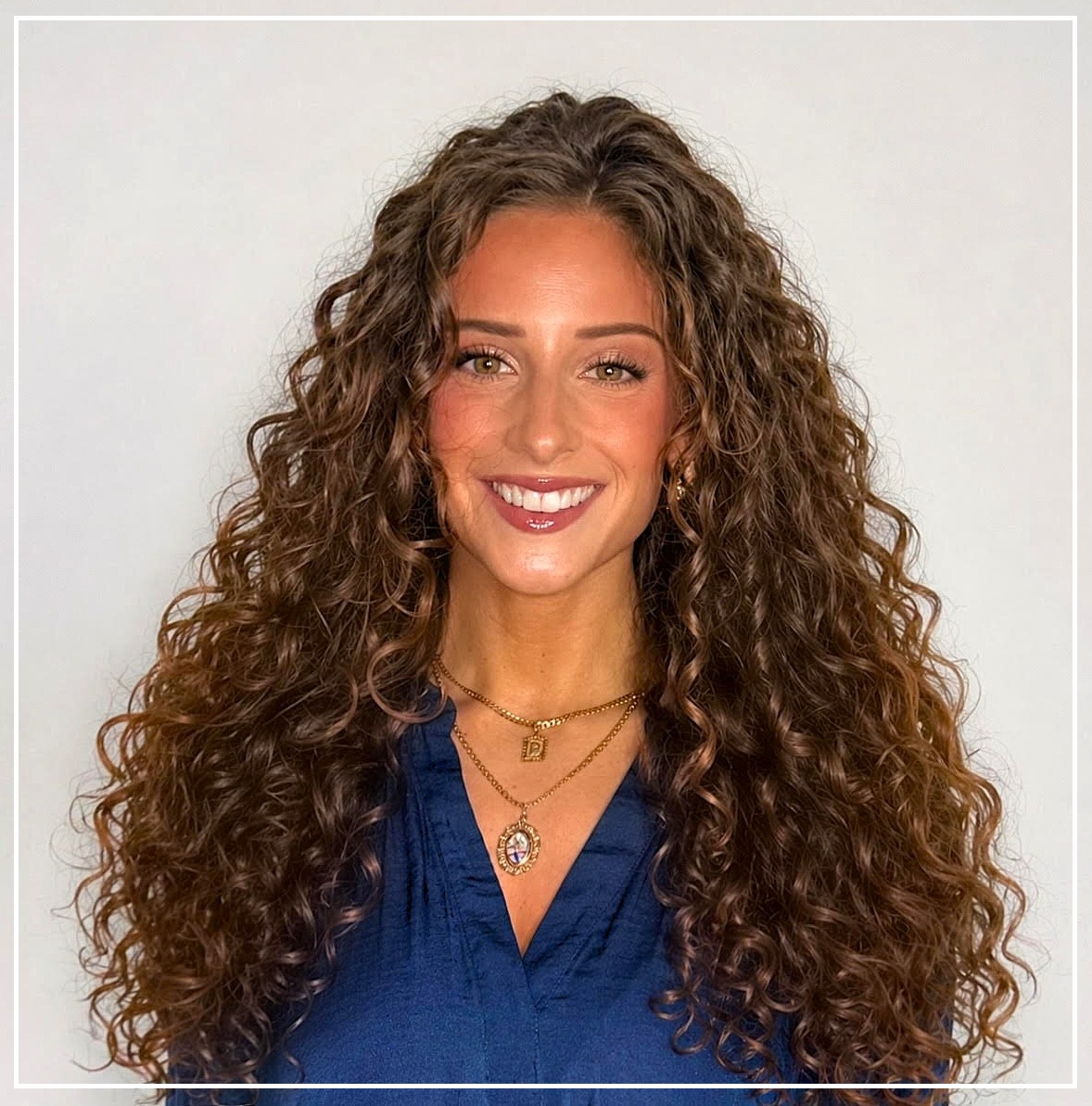
Briana Shea, LPC
She/her/ella
Licensed in: VA and CT
Clients I work with: Adult Individuals and Couples
Issues I work with: Trauma and complex trauma, attachment wounds and relational cycles, communication, emotional intimacy, emotional dysregulation, anxiety, depression, disconnection from the body, trust, self-worth and identity exploration, intergenerational and cultural trauma, and intentional parenting
About Me
My approach
Sometimes life and relationships have left us feeling it wasn’t fully safe to be seen as we are. So we adapted. We became what was needed to stay connected, protected, or loved. These adaptations don’t just disappear; they live in our bodies, our relationships, and the quiet ways we move through the world. They shape how we see ourselves, what we believe we deserve, and how safe it feels to take up space.
I work with adults feeling the weight of those earlier experiences, often showing up as emotional overwhelm, disconnection from self, or repeating patterns in relationships. Many of the people I work with are thoughtful and self-aware, yet still find themselves overgiving, overfunctioning, or stuck in roles shaped by early family dynamics.
Therapy here is not about fixing what is “wrong” with you. It’s about gently making sense of what you’ve had to carry. Together, we slow things down, understand your patterns, your protective strategies, and the ways your system has worked hard to take care of you. As we build safety, something begins to shift. You don’t have to hold so tightly, and more possibilities become available.
My work is grounded in attachment, trauma, and nervous system awareness, integrating somatic and parts-based approaches. Over time, this creates space for you to feel more connected to yourself, steadier in your emotions, and more able to engage in relationships without abandoning who you are.
Couples Therapy
When your relationship feels strained, it can be deeply painful. You’ve become caught in a pattern. One of you reaches for reassurance, clarity, or closeness, while the other pulls back, needing space, feeling overwhelmed, or unsure how to respond. The more one of you reaches, the more the other withdraws. And over time, this cycle begins to take on a life of its own, leaving both of you feeling unseen, misunderstood, and alone, even while trying so hard to get it right.
In our work, we gently slow these moments down so we can begin to see what’s really happening underneath. Not just the words being said, but the emotions, fears, and longings that are harder to name. Through an attachment lens, we begin to understand how each of you has learned to protect yourselves in relationships—and how those protections, while meaningful, can unintentionally create the very distance you’re trying to bridge.
My role is active and guiding. I help you track your cycle, make sense of each other’s inner worlds, and begin to shift from reacting against each other to reaching for each other. This isn’t about assigning blame or fixing one partner. It’s about helping both of you feel more seen, more understood, and more able to respond to each other in ways that build safety and connection.
Individual Therapy
Individual therapy is a space where you don’t have to perform, push through, or hold everything together on your own.
I work with clients holding more than they’ve had the space to fully process. The trauma that still lives in the body. Attachment wounds that show up in relationships as cycles of overgiving, withdrawing, or feeling not quite met. Anxiety or emotional overwhelm that can feel hard to regulate, even when you understand where it’s coming from. Questions around self-worth, identity, and belonging – wondering if you’re too much, not enough, or somehow getting it wrong. For some, there are also deeper layers of intergenerational or cultural experiences that have shaped how safe it feels to be seen, to have needs, or to take up space.
I show up as a real, engaged, warm, attuned, and human. I will sit with you in the hard moments and guide you through the process of healing. Together, we slow things down enough to notice your patterns, your emotional responses, the parts of you that learned to protect, perform, or pull back.
Our work may include processing past experiences, understanding relational patterns, and learning how to stay present with yourself. We pay attention not just to what you think, but to what you feel, and how those feelings move through your body and your relationships. Over time, this work moves beyond insight. There is a felt shift. More steadiness in your emotions. More clarity in how you see yourself. More space to respond rather than react. And a growing ability to stay connected to yourself. This is the work of coming back to yourself. Not as you had to be, but as you are.
Somatic and Parts-Based Work
So much of what you’ve been through isn’t just held in memory, but in your body. In the tension you carry without noticing. The way your chest tightens in certain moments. How quickly you move into overwhelm, shutdown, or urgency. These responses aren’t random; it is your nervous system working to keep you safe.
We can gently explore the different parts of you that strive, overgive, or hold everything together, and the ones that feel anxious, shut down, hurt, or unseen. Many of these parts formed in response to earlier experiences. Rather than pushing these parts away or trying to change them, we approach them with curiosity and respect. We begin to understand what each part is trying to do for you, what it’s protecting, and what it might need.
As your relationship with yourself deepens, something can begin to shift. The urgency softens. The reactivity eases. You may find more space between what you feel and how you respond. More choices become available. Over time, you begin to experience greater ability to stay present, connected, and steady, even in the moments that once felt overwhelming. We focus on creating enough safety inside so that all of you can be held, understood, and integrated.
Therapy for Parents
I work with parents who care deeply about how they show up with their children. You may have a strong awareness that your own experiences of being parented have shaped the blueprint, or “map,” you carry into parenting, often without realizing it.
You might find yourself wanting to do things differently, and still, in certain moments, something takes over. A reaction comes out sharper than you intended. You feel overwhelmed, flooded, or pulled to shut down. Or you notice yourself falling into familiar roles like over-accommodating, micromanaging, or being unsure how to respond at all. These moments can bring up guilt, confusion, or a quiet fear that you’re repeating what you hoped to change. In our work, we approach these experiences with care, not judgment. Because these responses didn’t come from nowhere. They were learned, shaped, and carried forward from your earlier years.
Together, we slow down and get curious about your emotional responses, your nervous system patterns, and the parts of you that show up most strongly in parenting. We gently explore the earlier experiences that influence the present, creating space to reconnect with the younger parts of you who may not have felt fully seen, supported, or safe.
As you begin to feel more grounded and supported within yourself, something shifts. There’s more room to pause. More ability to respond rather than react. More access to the kind of presence you want to offer your children, not from pressure or perfection, but from connection. The goal isn’t to be a perfect parent, but a more resourced one. It’s about breaking patterns that no longer serve you, repairing when rupture happens, and learning how to parent from a place of intention, openness, and organization, rather than inherited survival patterns.
My Background
I am a Licensed Professional Counselor with a Master’s degree in Clinical Mental Health Counseling and dual Bachelor’s degrees in Early Childhood Education and Psychology. Over the past five years, I have worked in community mental health, school-based settings, agencies, and private practice. These experiences have shaped my integrative, trauma-centered approach and the deconstruction of narratives that are limiting and harmful to how people see themselves in the world. I weave somatic practices, mindfulness, and creative expression throughout my work to help give voice to experiences that words alone can’t hold.
As a Puerto Rican therapist, I am committed to culturally grounded, affirming care. I approach my work with cultural humility, honoring the complexity of each client’s identity and lived experience. My work is culturally sensitive, compassion-focused, body-based, and grounded in feminist, anti-oppressive, and family systems perspectives. I am body-positive and LGBTQIA+ allied.