



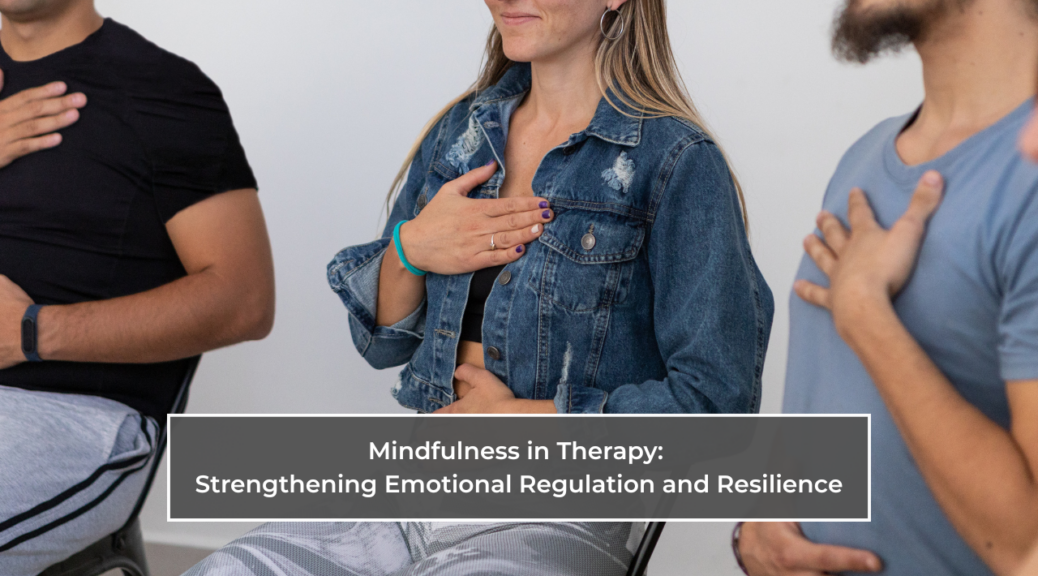
Emotions influence how we think, behave, and connect with others. They can sometimes feel overwhelming, especially during periods of stress, anxiety, grief, or significant change. When emotions become difficult to manage, they can affect relationships, decision-making, and overall well-being. This is where mindfulness in therapy can be particularly helpful in encouraging greater awareness of thoughts, feelings, and physical sensations. By developing this awareness, individuals can respond to emotions more intentionally, strengthening emotional regulation and building resilience over time.
What Is Mindfulness and Why Does It Matter?
At its core, mindfulness involves paying attention to the present moment with openness and curiosity rather than judgment or avoidance. In therapy, mindfulness helps individuals become more aware of their internal experiences, which creates opportunities to better understand emotions, recognize patterns of behavior, and develop healthier ways of coping with challenges.
People learn how to pause, observe, and respond more thoughtfully.
Defining Mindfulness
Mindfulness is the practice of intentionally bringing attention to the present moment. This includes noticing thoughts, emotions, bodily sensations, and environmental experiences without immediately trying to change them.
Many people spend much of their time focused on past events or future concerns. Mindfulness encourages individuals to return their attention to what is happening right now. This shift can help reduce mental clutter and increase self-awareness.
Difficult emotions will still arise, but the goal is to develop the ability to notice those emotions without becoming overwhelmed or controlled by them.
How Mindfulness Changes Our Relationship with Emotions
Many emotional struggles stem from how we respond to them. People often judge emotions, resist them, or react impulsively when they become uncomfortable.
Mindfulness helps create a different relationship with emotional experiences. Instead of immediately acting on anger, fear, or frustration, individuals learn to acknowledge those feelings and explore them with curiosity.
For example, someone experiencing anxiety may notice physical tension, racing thoughts, and feelings of uncertainty. Rather than immediately trying to escape the discomfort, mindfulness encourages them to observe these experiences and understand what they are communicating. This process often reduces emotional intensity and increases a sense of control.
Understanding Emotional Regulation
Emotional regulation is an essential life skill that influences how people navigate challenges, maintain relationships, and care for their mental health. It involves recognizing emotions, understanding their impact, and responding in ways that align with personal values and goals.
What Emotional Regulation Means
Emotional regulation refers to the ability to manage emotional responses effectively. This includes recognizing emotions as they arise, understanding their triggers, and choosing appropriate ways to respond.
People with strong emotional regulation skills still experience difficult emotions. The difference is that they are often better equipped to process those emotions without becoming overwhelmed or reacting impulsively.
These skills support many areas of life, including communication, problem-solving, stress management, and decision-making. Like any skill, emotional regulation can be strengthened through practice and therapeutic support.
Signs of Emotional Dysregulation
Emotional dysregulation occurs when emotions become difficult to manage and begin interfering with daily life. This can look different from person to person, but common signs often include:
-
Frequent emotional outbursts
-
Difficulty calming down after stressful situations
-
Impulsive reactions or decisions
-
Feeling emotionally overwhelmed
-
Avoiding situations that trigger strong emotions
Experiencing emotional dysregulation does not indicate weakness or failure. It often reflects a need for additional support, coping strategies, or emotional awareness. This is one reason mindfulness-based approaches are commonly incorporated into therapy.
How Mindfulness Supports Emotional Regulation
Mindfulness and emotional regulation work together because awareness is often the first step toward meaningful change. It is difficult to manage emotions that go unnoticed or are immediately pushed aside.
By encouraging individuals to slow down and pay attention to their internal experiences, mindfulness creates opportunities for healthier emotional responses.
1. Creates Space Between Feeling and Reaction
One of the most valuable aspects of mindfulness is its ability to create a pause between an emotional trigger and a behavioral response.
Without that pause, reactions can become automatic. A stressful email may trigger anger. A disagreement may lead to defensiveness. A difficult conversation may result in withdrawal.
Mindfulness helps individuals notice what is happening before they react. Even a brief moment of awareness can provide enough space to choose a response that is more thoughtful and aligned with long-term goals rather than immediate emotions.
2. Increases Emotional Awareness and Reduces Overwhelm
Many people struggle with emotions because they only recognize them once they have reached an overwhelming level. Mindfulness strengthens emotional awareness by helping individuals identify emotions earlier in the process.
As awareness increases, people often begin noticing patterns, such as specific situations, thoughts, or environments that influence their emotional responses. This insight can make emotional experiences feel more manageable.
Mindfulness can also reduce feelings of overwhelm by encouraging people to focus on the present moment rather than becoming consumed by future worries or past regrets. For individuals experiencing anxiety, additional support through counseling may also be beneficial.
Mindfulness Practices Used in Therapy
Therapists often incorporate mindfulness into treatment because it provides practical tools that clients can continue using outside of sessions. These practices are flexible and can be adapted to individual needs and preferences to build greater awareness and emotional balance over time.
Mindfulness Meditation
Mindfulness meditation involves directing attention to a specific focus, such as the breath, and gently returning attention whenever the mind wanders.
This practice helps individuals become more aware of their thoughts and emotional responses without becoming absorbed by them. Over time, meditation can improve concentration, reduce reactivity, and strengthen emotional regulation skills.
Even short sessions can be beneficial. Consistency often matters more than duration when developing a mindfulness practice.
Everyday Mindfulness and Grounding Techniques
Mindfulness does not have to happen on a meditation cushion. Many therapeutic techniques involve bringing awareness into everyday activities.
Common examples include:
-
Taking slow, intentional breaths during stressful moments
-
Noticing physical sensations while walking
-
Paying full attention during meals
-
Using grounding exercises to reconnect with the present moment
These simple practices help individuals interrupt automatic patterns and bring attention back to what is happening right now.
Mindfulness-Based Approaches Such as DBT and MBCT
Several evidence-based therapies such as Dialectical Behavior Therapy (DBT integrate mindfulness into treatment to improve emotional regulation, distress tolerance, and interpersonal effectiveness.
Mindfulness-Based Cognitive Therapy (MBCT) combines mindfulness practices with cognitive strategies to help individuals recognize unhelpful thinking patterns. Both approaches encourage greater awareness and provide practical tools for managing emotional challenges.
Their effectiveness highlights the growing role of mindfulness in therapy as a valuable component of emotional wellness.
Bringing Mindfulness Into Everyday Life
Learning mindfulness in therapy is only part of the process. Lasting benefits often come from applying these skills consistently in daily life.
Small moments of awareness practiced regularly can have a meaningful impact on emotional well-being. Pause before reacting. This may involve naming the emotion, noticing where it appears in the body, and observing associated thoughts. This reduces impulsive reactions and supports healthier decision-making. Over time, difficult emotions may feel less threatening because individuals develop greater confidence in their ability to navigate them.
Progress Over Perfection
Developing mindfulness is an ongoing process with some days feeling easier than others, and setbacks are a normal part of growth. With patience and consistent practice, it becomes more than a therapeutic technique—it becomes a valuable tool for navigating life with greater clarity, balance, and intention.
Self-compassion is essential during this process- view these moments as opportunities to practice awareness and learn from their experiences to build a more supportive relationship with oneself and develop the skills needed to respond to life’s challenges with greater resilience.