Category Archives: Mental Health

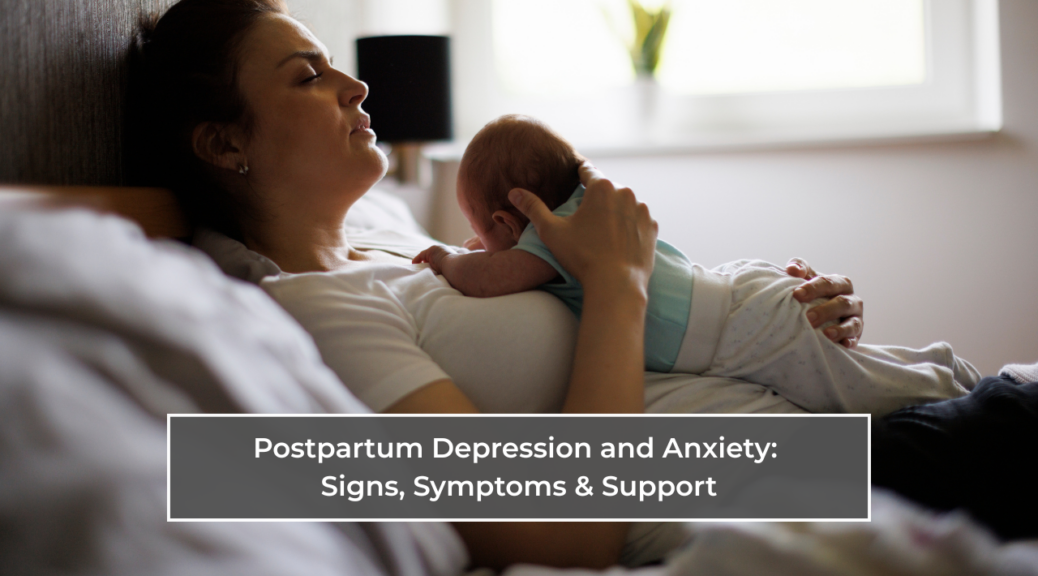
Postpartum Depression and Anxiety: Signs, Symptoms & Support

Welcoming a baby into the world can bring joy and excitement, but for many mothers, the postpartum season also comes with emotional struggles that feel overwhelming and isolating. Feelings of sadness, anxiety, fear, exhaustion, or emotional numbness may appear after childbirth and, in some cases, develop into postpartum depression or anxiety, yet many women stay silent because they fear being judged or misunderstood.

Early awareness can help women recognize symptoms, seek support, and begin recovery without shame.

Understanding Postpartum Mental Health

The postpartum period is a major life transition. A mother is recovering physically from childbirth while also adjusting emotionally to caring for a newborn. Hormonal changes, sleep deprivation, feeding schedules, and lifestyle adjustments can all affect emotional well-being.

While emotional ups and downs are normal after birth, persistent sadness or anxiety should not be ignored. Postpartum mental health conditions can affect women of any age, background, or parenting experience. Some symptoms appear immediately after childbirth, while others develop gradually over several weeks.

What Is Postpartum Depression and Anxiety?

Postpartum depression is a mental health condition that causes ongoing feelings of sadness, hopelessness, guilt, or emotional disconnection after childbirth. It is more intense than normal stress or exhaustion. Mothers may struggle to enjoy daily life, connect with their baby, or feel emotionally stable.

Postpartum anxiety focuses more on excessive fear and constant worry. A mother may feel unable to relax because her mind constantly imagines worst-case scenarios involving her baby or family. Even when reassured, the fear may remain intense.

Some women experience both conditions at the same time. Because symptoms often overlap, many mothers do not immediately realize they are dealing with postpartum depression and anxiety, which is why many mothers struggle to identify what they are experiencing.

Why Mental Health Changes After Childbirth

After childbirth, hormone levels change rapidly. These shifts can influence mood, stress levels, and emotional regulation. At the same time, physical recovery from labor places additional strain on the body.

Sleep deprivation also plays a major role because many new mothers experience interrupted sleep for weeks or months, which can increase irritability, emotional exhaustion, and anxiety. Relationship changes, financial pressure, and the responsibility of caring for a newborn can add even more stress.

Mothers may also feel pressured to appear happy all the time, even when they are struggling emotionally.

Common Symptoms of Postpartum Depression

Many mothers describe feeling emotionally disconnected, empty, guilty, or overwhelmed most of the time. Activities that once felt enjoyable may suddenly feel exhausting or meaningless.

Common symptoms may include:

  • Persistent sadness or crying spells
  • Feelings of worthlessness or guilt
  • Loss of interest in daily activities
  • Difficulty bonding with the baby
  • Changes in appetite or sleep
  • Fatigue that feels emotionally heavy
  • Irritability or anger
  • Difficulty concentrating

Some women also feel shame because they are not experiencing the joyful motherhood they expected. This emotional conflict can increase isolation and make it harder to ask for help.

Common Symptoms of Postpartum Anxiety

Postpartum anxiety is often characterized by excessive fear and constant mental tension. A mother may feel unable to stop worrying even when reassured by others. Her mind may continuously imagine worst-case scenarios involving her baby or family.

Physical symptoms are also common and may include a racing heartbeat, dizziness, nausea, muscle tension, or panic attacks. Some mothers become hypervigilant, repeatedly checking on the baby throughout the night or avoiding situations they perceive as unsafe.

Unlike general stress, postpartum anxiety can become consuming. Constant fear may interfere with rest, eating, concentration, and emotional connection with loved ones. Over time, the body remains in a heightened state of alertness, which increases exhaustion and emotional strain.

Postpartum Anxiety vs Depression: Understanding the Difference

Although postpartum anxiety and depression can happen at the same time, they are not exactly alike. Understanding the difference can help mothers better recognize their symptoms and seek the right kind of support.

Postpartum depression is often associated with emotional heaviness, sadness, hopelessness, and loss of motivation. Postpartum anxiety, on the other hand, is usually centered around excessive worry, fear, racing thoughts, and difficulty relaxing.

The Difference Between Baby Blues and Postpartum Disorders

The “baby blues” are common during the first few days after childbirth. Many mothers feel emotional, tearful, or overwhelmed as their bodies adjust to hormonal changes. These feelings usually improve within two weeks.

Postpartum depression and anxiety are different because symptoms last longer and interfere with daily life. A mother may feel persistently sad, fearful, emotionally numb, or mentally exhausted for weeks or months.

Other Postpartum Mental Health Conditions

Postpartum depression and anxiety are the most widely discussed maternal mental health conditions, but they are not the only ones that can occur after childbirth.

Some women experience intrusive thoughts, obsessive behaviors, or more severe psychiatric symptoms. 

1. Postpartum OCD and Intrusive Thoughts

Postpartum OCD involves unwanted and distressing thoughts that create intense anxiety. A mother may fear accidentally harming her baby even though she has no intention of doing so.

These thoughts can feel frightening, which is why many women keep them secret. However, intrusive thoughts are more common than many people realize.

Some mothers also develop repetitive behaviors such as constant checking or excessive cleaning in an attempt to reduce anxiety.

2. Postpartum Psychosis?

Postpartum psychosis is rare but extremely serious. Symptoms may include hallucinations, confusion, paranoia, or severe mood changes.

Unlike anxiety or depression, postpartum psychosis can affect a person’s sense of reality. Symptoms may appear suddenly within days after childbirth.

When Symptoms May Need Professional Attention

A helpful guideline is to consider how long symptoms last and how strongly they affect daily life.

Professional support may be necessary if symptoms:

  • Persist for more than two weeks
  • Interfere with bonding or caregiving
  • Causes severe anxiety or panic
  • Affect eating or sleeping consistently
  • Lead to emotional numbness or hopelessness
  • Make daily tasks feel unmanageable

Seeking help early does not mean someone is weak or incapable of parenting. In fact, recognizing the need for support is often a strong and responsible step toward healing

Seeking Help and Treatment

One of the biggest barriers to recovery is the belief that mothers should manage everything alone. Many women feel guilty asking for help because they believe they should be able to handle motherhood without support.

In reality, seeking help is a healthy and responsible step. Healing often happens gradually through a combination of emotional support, proper care, rest, and patience during the postpartum recovery process and there is no single path to healing from postpartum depression and anxiety.

Therapy, Medication, and Lifestyle Support

Recovery often improves when emotional support is combined with healthy daily habits. Rest, hydration, nutrition, and gentle physical activity can positively affect emotional well-being.

Cognitive behavioral therapy (CBT) is one approach often used to help mothers work through anxious thoughts, self-criticism, and emotional overwhelm. Support groups can also make a meaningful difference by reminding mothers that they are not alone in what they are experiencing.

Mothers may also benefit from accepting help with childcare, meals, or household responsibilities. Recovery is about creating stability, support, and healthier coping patterns over time.

Self-Care Tips for New Mothers

Self-care during postpartum recovery should focus on rest and emotional restoration rather than perfection. Simple habits like short walks, regular meals, staying connected with supportive people, and taking small moments to rest can make a meaningful difference.

Self-care does not need to be elaborate. Sometimes, the most important forms of care are sleep, reassurance, and emotional support.

Final Thoughts on Postpartum Mental Health

Postpartum depression and anxiety are real and treatable mental health conditions that affect many women after childbirth. Emotional struggles during the postpartum season do not reflect weakness or failure.

The more openly society discusses maternal mental health, the easier it becomes for mothers to seek help without shame. Compassionate support, professional care, and honest conversations can make recovery feel less isolating.

No mother should feel alone during postpartum recovery. With the right support, healing and emotional wellness are possible.

If postpartum depression or anxiety has made this season feel heavier than expected, compassionate support is available. Reaching out for help can be an important first step. Contact The Center for Connection, Healing & Change to schedule a consultation to support your healing and emotional stability during postpartum recovery.

Trauma Therapy vs Traditional Talk Therapy: What’s the Difference?

Therapy offers a safe space to explore thoughts, emotions, and behaviors that may be causing distress or limiting personal growth. When comparing trauma therapy vs traditional talk therapy, it becomes clear that each approach serves a different purpose—especially when addressing the lasting effects of traumatic experiences. Understanding how these methods differ can help individuals choose the support that best fits their needs.

Therapy can help individuals manage mental health conditions, cope with life challenges, and develop healthier ways of responding to stress.

Traditional Talk Therapy Explained

Traditional talk therapy, often referred to as psychotherapy, primarily relies on conversation to explore emotional and psychological concerns. The therapist helps the client reflect on thoughts, behaviors, and past experiences to better how they influence present challenges.

This approach is particularly effective for individuals dealing with everyday stress, anxiety, or mild to moderate depression.

Key aspects of traditional talk therapy include:

Insight-focused discussions: Understanding how past experiences shape current thoughts and behaviors

Problem-solving support: Developing strategies to manage challenges in daily life

Emotional expression: Providing a safe space to talk about feelings

Cognitive restructuring: Techniques like Cognitive Behavioral Therapy (CBT) help change negative thought patterns

Traditional talk therapy can be used alone or combined with other forms of therapy, depending on a person’s needs. It is often the first step for those seeking mental health support before engaging in trauma-focused treatments like EMDR.

Trauma Therapy Overview

Trauma therapy is a specialized form of mental health treatment designed for individuals who have experienced traumatic or overwhelming events. 

It can affect the brain and nervous system, often leading to symptoms such as hypervigilance, emotional numbness, anxiety, or intrusive memories.

Trauma-informed therapy focuses on restoring safety, regulation, and control while helping clients process traumatic experiences without becoming overwhelmed.

Common Trauma Therapy Modalities

    • EMDR (Eye Movement Desensitization and Reprocessing)
    • Somatic therapy
    • Trauma-focused CBT

Rather than only discussing experiences, trauma therapy works directly with how trauma is stored in the brain and body.

Key Differences Between Trauma Therapy and Traditional Talk Therapy

Area of Comparison Traditional Talk Therapy Trauma Therapy
Focus of Treatment Emphasizes insight, self-awareness, and understanding thought and behavior patterns. Prioritizes nervous system regulation and processing traumatic experiences.
Healing Process Involves ongoing verbal exploration and reflection over time. Uses structured techniques to reprocess traumatic memories and reduce emotional intensity safely.
Therapist’s Role Primarily facilitates discussion and supports insight through conversation. Takes a more active, guiding role—supporting stabilization, resourcing, and trauma processing.
Emotional Safety Provides a supportive environment for discussion. Carefully paced to prevent retraumatization and ensure the client remains emotionally grounded.

Exploring EMDR Therapy

EMDR (Eye Movement Desensitization and Reprocessing) is an evidence-based trauma therapy that helps individuals reprocess distressing memories. During EMDR sessions, clients focus on a traumatic memory while engaging in bilateral stimulation, such as guided eye movements or tapping.

This process supports the brain’s natural ability to heal, allowing traumatic memories to be stored in a less distressing and more adaptive way.

Benefits of EMDR in Trauma Treatment

EMDR therapy has been shown to:

    • Reduce emotional distress linked to traumatic memories
    • Alleviate symptoms of PTSD, anxiety, and depression
    • Decrease physical symptoms such as tension and hyperarousal
    • Improve emotional regulation and self-esteem

Unlike traditional talk therapy, EMDR does not require detailed verbal retelling of traumatic events, making it especially helpful for individuals who find talking overwhelming.

Comparing EMDR and Traditional Therapy Techniques

While talk therapy focuses on changing thoughts and behaviors through discussion, EMDR targets the emotional and neurological impact of trauma. CBT helps reframe beliefs, whereas EMDR helps the brain reprocess experiences at a deeper level.

Both approaches can be effective, and in many cases, they are used together as part of an integrative treatment plan.

Somatic Therapy and Its Role in Trauma Treatment

What is Somatic Therapy?

It is a form of therapy that focuses on the connection between the mind and body, especially in relation to trauma. It operates on the principle that traumatic experience can become trapped in the body, leading to physical and emotional symptoms.

This approach aims to release this stored trauma through various techniques, such as movement, breathwork, and awareness of bodily sensations, helping clients heal from past trauma and find relief.

When combined with other trauma therapy modalities, such as EMDR therapy, somatic therapy can provide a more comprehensive and holistic approach to trauma recovery.

Benefits of a Somatic Perspective in Therapy

    • Improved body awareness and self-regulation
    • Reduction in chronic tension and stress responses
    • Access to trauma responses that may not be reachable through talk therapy alone

Somatic therapy is often combined with EMDR to support holistic trauma healing.

Finding the Right Therapist for Your Needs

How to Choose a Trauma Therapist

Look for a therapist who is specifically trained in trauma therapy modalities such as EMDR or somatic therapy.

It’s important to find someone who is trauma-informed, compassionate, and experienced in working with individuals who have experienced trauma.

Consider seeking recommendations or reading reviews to find a therapist who aligns with your needs.

Questions to Ask When Seeking Therapy

    • What trauma therapy modalities are you trained in?
    • How do you ensure emotional safety during sessions?
    • Do you integrate approaches like EMDR or somatic therapy?
    • What is your experience treating trauma-related concerns?

For more on trauma, healing, and connection, check out this post on our blog- Finding Your Way Back: Healing Trauma Through Relationships: https://www.thecenterforconnection.com/finding-your-way-back-healing-trauma-through-relationships/

Ready to Take the Next Step?

If you’re struggling with trauma or wondering whether trauma therapy or traditional talk therapy is right for you, our team is here to help. Contact us today to schedule a consultation and begin your healing journey with a supportive, trauma-informed therapist.

What Is Anxiety Therapy and How Can Counseling Help?

Many people experience racing thoughts and constant worries at some point in their lives. Anxiety therapy through counseling can help you regain a sense of control and find balance in your life by exploring the roots of anxiety and developing coping mechanisms. 

Understanding Anxiety and Its Impact

Anxiety is a natural response to perceived threat or uncertainty. It’s part of the body’s built-in alarm system, designed to keep us alert and safe. It becomes problematic when that alarm stays switched on long after the danger has passed—or when it goes off without a clear reason.

Anxiety is multifaceted in nature and the development of anxiety disorders can stem from various factors. Symptoms of anxiety can manifest differently, but often include several common indicators such as:

Common Types of Anxiety Disorders

Anxiety can show up in different ways, depending on how the mind and body interpret threat:

  • Generalized Anxiety Disorder (GAD): Characterized by ongoing, excessive worry about everyday matters such as health, finances, or responsibilities, even when there’s little reason for concern.
  • Panic Disorder: Involves sudden, intense episodes of fear known as panic attacks, often accompanied by physical symptoms like a racing heart or shortness of breath.
  • Social Anxiety: Marked by a strong fear of social situations, judgment, or embarrassment, which may lead to avoidance of interactions or events.
  • Specific Phobias: Intense fear of particular objects or situations (such as flying, heights, or needles) that triggers immediate anxiety and avoidance.

Anxiety therapy can help individuals identify and understand these feelings, paving the way for effective anxiety treatment.

Emotional, Physical, and Behavioral Symptoms

Anxiety affects more than just thoughts. Emotionally, it may show up as constant worry, irritability, fear, or a sense of being overwhelmed. Physically, people often experience muscle tension, headaches, fatigue, digestive issues, rapid heartbeat, or difficulty breathing.

Behaviorally, anxiety can lead to avoidance, procrastination, restlessness, or reliance on coping behaviors that provide short-term relief but reinforce anxiety long-term.

Types of Therapy for Anxiety

Different counseling approaches are used depending on a person’s symptoms, goals, and preferences. A skilled therapist may use one primary method or integrate several approaches to create a personalized treatment plan.

Cognitive Behavioral Therapy (CBT)

Cognitive-behavioral therapy, or CBT, is a widely used type of anxiety therapy that focuses on identifying and changing negative thought patterns and behaviors that contribute to anxiety symptoms.

It helps individuals learn to challenge these unhelpful thoughts and develop more realistic and positive perspectives. It also provides practical strategies for managing anxiety and improving mental health.

Through consistent practice, individuals can learn to reduce anxiety and regain a sense of control over their thoughts and feelings, finding balance in their lives.

Acceptance and Commitment Therapy (ACT)

ACT helps individuals develop a healthier relationship with anxiety rather than trying to eliminate it. Instead of fighting anxious thoughts or feelings, ACT emphasizes acceptance, mindfulness, and commitment to values-based actions. This approach can be especially helpful for people who feel stuck in cycles of avoidance or self-criticism.

Exposure Therapy

Exposure therapy involves gradually exposing individuals to situations or objects that trigger their anxiety symptoms. The goal is to help them learn to manage their anxiety by providing a supportive space to process their reactions and develop coping mechanisms.

Exposure therapy is particularly effective for treating anxiety disorders, phobias, and social anxiety to reduce anxiety and equip people to live more fulfilling lives.

Starting Your Journey with Therapy

When to Start Therapy

If you are struggling with anxiety that;

i) Impacts your daily life, relationships, or overall well-being 

ii) Continues despite self-care efforts

iii) Reduces quality of life

Seeking professional help through anxiety therapy may be beneficial.  Counseling services offer assessments to determine if therapy is right for you.


Beyond Therapy: Regaining Balance in Life

Integrating Therapy into Daily Life

Integrating therapy into daily life involves applying the skills and strategies learned in sessions to real-world situations.  Regularly practicing these techniques can help you manage your anxiety symptoms and improve your overall quality of life.

Therapy for anxiety empowers you to become your own therapist, equipped with the tools to navigate challenges and maintain your mental health, assisting in treating anxiety. Regular self-care practices, such as exercise, mindfulness, and relaxation techniques, can also contribute to long-term anxiety relief.

Support Systems and Resources for Mental Health

Building a strong support system that includes friends, family, support groups, and online communities is crucial for managing anxiety effectively. 

Sharing your experiences with others who understand what you’re going through can provide validation, encouragement, and practical advice. Counseling services can also connect you with additional resources, such as mental health organizations, crisis hotlines, and educational materials. 

For additional practical strategies on managing anxious feelings and supporting your therapy work, see this article on How to Get Rid of Your Anxiety

The Importance of Healthy Relationships for Mental Health: Why Connections Matter

Have you ever noticed how a heartfelt conversation with a loved one can lift your mood? Secure relationships provide emotional support, reduce stress, and help us navigate life’s challenges. 

When we feel connected to others, we experience a sense of safety and stability that directly impacts our mental well-being. This blog will explore the importance of healthy relationships for mental health and how that can help us heal and thrive.

The Importance of Healthy Relationships for Mental Health

Healthy relationships play a fundamental role in our overall mental well-being. They provide us with a sense of belonging, reduce stress, and contribute to emotional resilience.

When we cultivate strong connections, we create a support system that enhances our ability to cope with life’s ups and downs.

Emotional Support and Sense of Belonging

Humans are wired for connection. Strong relationships give us a sense of belonging, making us feel valued and understood. When we share our joys and struggles with trusted individuals, we feel less isolated. 

Maintaining close connections protects mental and brain health, keeping us sharper and happier as we age. Having someone who listens without judgment can be the difference between feeling overwhelmed and feeling supported.

Reduction of Stress and Promotion of Mental Resilience

Life’s challenges can feel overwhelming, but having a supportive network makes them easier to bear. Secure relationships provide comfort and reassurance in tough times. A strong support system—including friends, family, or a partner—reduces stress and fosters resilience. 

Knowing we’re not alone helps us face difficulties with strength and hope. Individuals with secure relationships tend to have lower levels of cortisol, the stress hormone, which directly benefits their overall health.

Emotional Support and Its Healing Effects

Emotional support plays a crucial role in maintaining good mental health. It can alleviate anxiety, reduce depression, and create a space where individuals feel heard and valued.

Alleviation of Anxiety and Depression

Emotional support is a powerful antidote to anxiety and depression. When we face difficult emotions, having someone to lean on provides relief. Nurturing relationships help lower these feelings, providing stability during tough times. 

A simple conversation, a hug, or even just knowing someone cares can significantly improve our mental well-being. Emotional support offers a buffer against stress, reducing the likelihood of experiencing prolonged periods of anxiety or depression.

Sharing Feelings Leading to Emotional Healing

Bottling up emotions can intensify stress, but opening up to trusted individuals brings relief. Talking about our struggles fosters emotional healing and strengthens bonds. When we express ourselves, we feel validated and understood, making it easier to process difficult emotions. 

Healthy communication in relationships allows us to express feelings freely and build deeper connections. Whether through therapy, friendships, or family discussions, sharing our experiences helps lighten our emotional burdens.

Building and Maintaining Secure Relationships

Developing strong relationships requires ongoing effort, communication, and mutual understanding. We can build and sustain meaningful connections that contribute to our mental health by implementing some of these positive habits;

Effective Communication and Empathy

Good communication is essential for healthy relationships. Active listening, honest expression, and empathy strengthen bonds. When people feel heard and understood, their emotional well-being improves. 

Open communication fosters trust and reduces misunderstandings, allowing relationships to flourish. Practicing active listening, validating feelings, and being mindful of tone and body language can enhance the quality of our relationships.

Consistency, Reliability, and Mutual Respect

Strong relationships require consistency and respect. Keeping promises, being present, and treating others with kindness nurture lasting connections. Recognizing and addressing unhealthy relationship patterns is crucial for mental well-being. When relationships are built on reliability and mutual respect, they provide a stable foundation for emotional and psychological growth.

The importance of healthy relationships for mental health cannot be overstated. Secure relationships provide emotional support, reduce stress, and promote healing. By building trust, practicing empathy, and prioritizing meaningful connections, we enhance our well-being and lead happier, healthier lives. Investing in relationships isn’t just good for the heart—it’s essential for the mind, too. Whether through close friendships, family bonds, or romantic partnerships, the presence of secure relationships can significantly impact our emotional resilience and overall life satisfaction.

How CCHC Can Support Your Mental Well-Being

Building and maintaining secure relationships is essential for mental health, but sometimes, professional support is needed to navigate challenges and foster deeper connections. The Center for Connection, Healing, and Change (CCHC) takes a holistic and interdisciplinary approach, integrating psychotherapy, neuroscience, mindfulness, and meditation to promote emotional well-being.

CCHC specializes in strengthening relationships and supporting individuals dealing with anxiety, depression, self-worth issues, trauma, stress management, emotional regulation, and more. Whether you’re looking to improve communication, heal from past experiences, or build resilience, our expert therapists offer compassionate, trauma-informed care for couples, families, children, teens, and adults.

If you’re ready to invest in your mental health and relationships, schedule a free consultation today or visit our offices in Woodbridge or Fairfax.

Mindful Parenting: Nurturing Your Child’s Mental Health in October

October is a month for celebrating autumn colors and cozy nights in. It’s also a time to prioritize mental health awareness, including mindful parenting. Why this approach? Juggling work, household chores, and the constant demands of raising children can leave parents feeling overwhelmed and stressed. This stress can take a toll on our mental well-being, making it harder to be patient and present with our kids.

Mindful parenting will help parents focus on being present, understanding your child’s emotions, and fostering a strong bond.

The Impact on Children’s Mental Health

Children are incredibly perceptive. They pick up on our emotions, and when we’re feeling stressed or anxious, it can make them feel insecure and unsafe. 

This can contribute to behavioral problems, difficulty regulating emotions, and even anxiety and depression in children.

The Power of Mindful Parenting

Mindful parenting helps us become more aware of our own thoughts, feelings, and reactions so we can connect with our children on a deeper level and respond to them in a way that fosters their emotional well-being. Here are some tips to get you started:

Cultivating Calm: Tools for Mindful Parents

As parents, it’s important to take care of our own mental health to ensure we can be present and supportive for our children. These tools can help you cultivate calm and reduce stress.

Deep Breaths: When you feel yourself getting overwhelmed, take a few deep breaths. This simple act can help to calm your nervous system and bring your focus back to the present moment.

Mindfulness Meditation: Even a few minutes of meditation each day can make a big difference. There are many guided meditations available online or through apps specifically designed for busy parents.

Self-Compassion: We all get stressed and frustrated sometimes. Be kind to yourself when you have a difficult moment. Forgive yourself and move on.

Nature Walks: Spending time in nature has been shown to reduce stress and improve mood. Take your child on a walk in the park or go for a hike together.

Yoga and Stretching: These practices can help to relax the body and mind. There are many yoga and stretching routines available online that are suitable for all levels.

Mindful Practices to Strengthen a Parent-Child Bond 

Building a strong and loving bond with your child is essential for their emotional well-being. These mindful moments can help you connect with your child on a deeper level.

  1. Put Down the Phone: Make eye contact and truly listen when your child is talking to you. This shows them that you care about what they have to say.
  2. Practice Active Listening: Pay attention to both their words and their body language. Try to understand what they’re feeling as well as what they’re saying.
  3. Schedule Unstructured Time: Create space for free play and connection with your child. Put away electronics and simply be together.
  4. Validate Their Feelings: Let your child know that their feelings are okay, even if you don’t agree with them. Help them to label their emotions and develop healthy coping mechanisms.
  5. Create Traditions: Simple routines and rituals can provide a sense of security and comfort for children. This could be anything from a bedtime story every night to a weekly movie night.

Mindful parenting isn’t about achieving perfection but becoming more aware and making a conscious effort to connect with your child in a positive way. The benefits of mindful parenting are many; it cannot only improve your child’s mental health but also strengthen your bond with them. Children who feel loved, safe, and secure are more likely to grow into confident, well-adjusted adults.


How CCHC Can Help

At the Center for Connection, Healing, and Change (CCHC), we understand the challenges of parenthood. Our therapists can provide individual therapy to help you manage your own stress and anxiety, as well as family therapy to support your relationships with your children. We offer a variety of evidence-based therapies, including mindfulness-based approaches that can help you develop a more mindful approach to parenting.

Schedule a free consultation with us today or visit our offices in Woodbridge or Fairfax to learn more about how we can help your family thrive.