



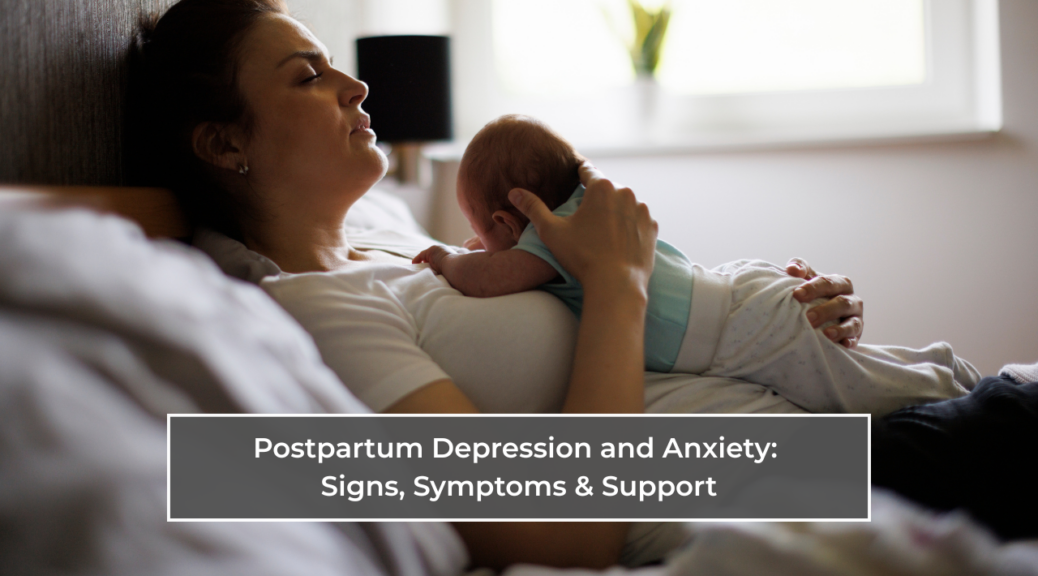
Welcoming a baby into the world can bring joy and excitement, but for many mothers, the postpartum season also comes with emotional struggles that feel overwhelming and isolating. Feelings of sadness, anxiety, fear, exhaustion, or emotional numbness may appear after childbirth and, in some cases, develop into postpartum depression or anxiety, yet many women stay silent because they fear being judged or misunderstood.
Early awareness can help women recognize symptoms, seek support, and begin recovery without shame.
Understanding Postpartum Mental Health
The postpartum period is a major life transition. A mother is recovering physically from childbirth while also adjusting emotionally to caring for a newborn. Hormonal changes, sleep deprivation, feeding schedules, and lifestyle adjustments can all affect emotional well-being.
While emotional ups and downs are normal after birth, persistent sadness or anxiety should not be ignored. Postpartum mental health conditions can affect women of any age, background, or parenting experience. Some symptoms appear immediately after childbirth, while others develop gradually over several weeks.
What Is Postpartum Depression and Anxiety?
Postpartum depression is a mental health condition that causes ongoing feelings of sadness, hopelessness, guilt, or emotional disconnection after childbirth. It is more intense than normal stress or exhaustion. Mothers may struggle to enjoy daily life, connect with their baby, or feel emotionally stable.
Postpartum anxiety focuses more on excessive fear and constant worry. A mother may feel unable to relax because her mind constantly imagines worst-case scenarios involving her baby or family. Even when reassured, the fear may remain intense.
Some women experience both conditions at the same time. Because symptoms often overlap, many mothers do not immediately realize they are dealing with postpartum depression and anxiety, which is why many mothers struggle to identify what they are experiencing.
Why Mental Health Changes After Childbirth
After childbirth, hormone levels change rapidly. These shifts can influence mood, stress levels, and emotional regulation. At the same time, physical recovery from labor places additional strain on the body.
Sleep deprivation also plays a major role because many new mothers experience interrupted sleep for weeks or months, which can increase irritability, emotional exhaustion, and anxiety. Relationship changes, financial pressure, and the responsibility of caring for a newborn can add even more stress.
Mothers may also feel pressured to appear happy all the time, even when they are struggling emotionally.
Common Symptoms of Postpartum Depression
Many mothers describe feeling emotionally disconnected, empty, guilty, or overwhelmed most of the time. Activities that once felt enjoyable may suddenly feel exhausting or meaningless.
Common symptoms may include:
- Persistent sadness or crying spells
- Feelings of worthlessness or guilt
- Loss of interest in daily activities
- Difficulty bonding with the baby
- Changes in appetite or sleep
- Fatigue that feels emotionally heavy
- Irritability or anger
- Difficulty concentrating
Some women also feel shame because they are not experiencing the joyful motherhood they expected. This emotional conflict can increase isolation and make it harder to ask for help.
Common Symptoms of Postpartum Anxiety
Postpartum anxiety is often characterized by excessive fear and constant mental tension. A mother may feel unable to stop worrying even when reassured by others. Her mind may continuously imagine worst-case scenarios involving her baby or family.
Physical symptoms are also common and may include a racing heartbeat, dizziness, nausea, muscle tension, or panic attacks. Some mothers become hypervigilant, repeatedly checking on the baby throughout the night or avoiding situations they perceive as unsafe.
Unlike general stress, postpartum anxiety can become consuming. Constant fear may interfere with rest, eating, concentration, and emotional connection with loved ones. Over time, the body remains in a heightened state of alertness, which increases exhaustion and emotional strain.
Postpartum Anxiety vs Depression: Understanding the Difference
Although postpartum anxiety and depression can happen at the same time, they are not exactly alike. Understanding the difference can help mothers better recognize their symptoms and seek the right kind of support.
Postpartum depression is often associated with emotional heaviness, sadness, hopelessness, and loss of motivation. Postpartum anxiety, on the other hand, is usually centered around excessive worry, fear, racing thoughts, and difficulty relaxing.
The Difference Between Baby Blues and Postpartum Disorders
The “baby blues” are common during the first few days after childbirth. Many mothers feel emotional, tearful, or overwhelmed as their bodies adjust to hormonal changes. These feelings usually improve within two weeks.
Postpartum depression and anxiety are different because symptoms last longer and interfere with daily life. A mother may feel persistently sad, fearful, emotionally numb, or mentally exhausted for weeks or months.
Other Postpartum Mental Health Conditions
Postpartum depression and anxiety are the most widely discussed maternal mental health conditions, but they are not the only ones that can occur after childbirth.
Some women experience intrusive thoughts, obsessive behaviors, or more severe psychiatric symptoms.
1. Postpartum OCD and Intrusive Thoughts
Postpartum OCD involves unwanted and distressing thoughts that create intense anxiety. A mother may fear accidentally harming her baby even though she has no intention of doing so.
These thoughts can feel frightening, which is why many women keep them secret. However, intrusive thoughts are more common than many people realize.
Some mothers also develop repetitive behaviors such as constant checking or excessive cleaning in an attempt to reduce anxiety.
2. Postpartum Psychosis?
Postpartum psychosis is rare but extremely serious. Symptoms may include hallucinations, confusion, paranoia, or severe mood changes.
Unlike anxiety or depression, postpartum psychosis can affect a person’s sense of reality. Symptoms may appear suddenly within days after childbirth.
When Symptoms May Need Professional Attention
A helpful guideline is to consider how long symptoms last and how strongly they affect daily life.
Professional support may be necessary if symptoms:
- Persist for more than two weeks
- Interfere with bonding or caregiving
- Causes severe anxiety or panic
- Affect eating or sleeping consistently
- Lead to emotional numbness or hopelessness
- Make daily tasks feel unmanageable
Seeking help early does not mean someone is weak or incapable of parenting. In fact, recognizing the need for support is often a strong and responsible step toward healing
Seeking Help and Treatment
One of the biggest barriers to recovery is the belief that mothers should manage everything alone. Many women feel guilty asking for help because they believe they should be able to handle motherhood without support.
In reality, seeking help is a healthy and responsible step. Healing often happens gradually through a combination of emotional support, proper care, rest, and patience during the postpartum recovery process and there is no single path to healing from postpartum depression and anxiety.
Therapy, Medication, and Lifestyle Support
Recovery often improves when emotional support is combined with healthy daily habits. Rest, hydration, nutrition, and gentle physical activity can positively affect emotional well-being.
Cognitive behavioral therapy (CBT) is one approach often used to help mothers work through anxious thoughts, self-criticism, and emotional overwhelm. Support groups can also make a meaningful difference by reminding mothers that they are not alone in what they are experiencing.
Mothers may also benefit from accepting help with childcare, meals, or household responsibilities. Recovery is about creating stability, support, and healthier coping patterns over time.
Self-Care Tips for New Mothers
Self-care during postpartum recovery should focus on rest and emotional restoration rather than perfection. Simple habits like short walks, regular meals, staying connected with supportive people, and taking small moments to rest can make a meaningful difference.
Self-care does not need to be elaborate. Sometimes, the most important forms of care are sleep, reassurance, and emotional support.
Final Thoughts on Postpartum Mental Health
Postpartum depression and anxiety are real and treatable mental health conditions that affect many women after childbirth. Emotional struggles during the postpartum season do not reflect weakness or failure.
The more openly society discusses maternal mental health, the easier it becomes for mothers to seek help without shame. Compassionate support, professional care, and honest conversations can make recovery feel less isolating.
No mother should feel alone during postpartum recovery. With the right support, healing and emotional wellness are possible.
If postpartum depression or anxiety has made this season feel heavier than expected, compassionate support is available. Reaching out for help can be an important first step. Contact The Center for Connection, Healing & Change to schedule a consultation to support your healing and emotional stability during postpartum recovery.