



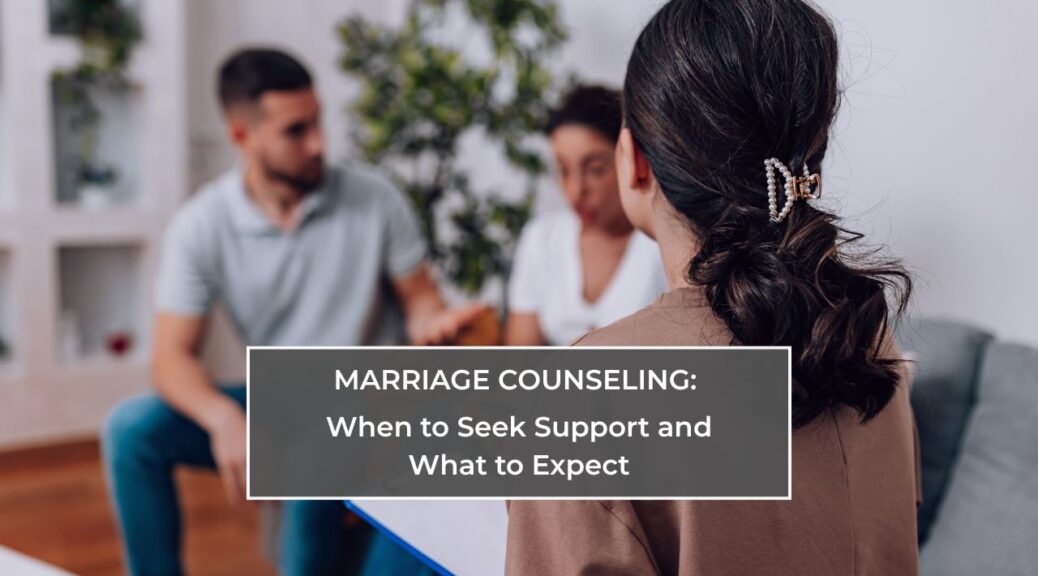
Many couples experience challenges in their marriage at some point, and that’s where marriage counseling, also known as couples therapy, comes in to provide a safe and supportive environment to address these issues.
What is Marriage Counseling?
Marriage counseling, often referred to as couples therapy, is a specialized form of psychotherapy designed to help couples navigate challenges and strengthen their bond. It’s a proactive step towards building a healthier and more fulfilling partnership.
Many couples seek help with specific goals, such as:
- Improving communication
- Resolving conflicts
- Enhancing intimacy
The ultimate goal of marriage counseling is to foster a healthy relationship where both partners feel understood and valued.
How Couples Therapy Works
Couples therapy works by providing a structured environment where couples can explore their relationship dynamics with the guidance of a trained couples therapist.
During counseling sessions, couples start by identifying the issues they want to address. These can be issues like resentment, infidelity, and other factors that can strain a marriage, and help rebuild intimacy and foster a stronger, more fulfilling connection.
The therapist helps couples improve communication patterns, understand each other’s perspectives, and develop strategies for resolving disagreements.
Role of a Marriage Counselor
The role of a marriage counselor, or couples counselor, is to facilitate productive conversations and guide couples through the counseling process. He or she remains neutral, providing support to both partners and helping them understand each other’s perspectives and work collaboratively to achieve their relationship goals.
They are trained to identify unhealthy communication patterns and provide tools to improve communication by helping couples develop coping mechanisms for managing conflict and building a stronger, more resilient relationship.
When to Consider Couples Therapy
Several factors can suggest it’s time to seek professional help and recognizing the signs that you need marriage counseling can be the first step toward resolving issues. These include:
- Frequent disagreements and feelings of resentment
- Infidelity, whether past or present, or betrayal
- A general feeling of disconnection
- If you or your partner are consistently unhappy or feeling unfulfilled
- Major life transitions, such as a job loss, relocation, or the birth of a child.
- Unhealthy communication patterns that have become consistently negative or unproductive, such as criticism, defensiveness, stonewalling, and contempt.
- Intimacy issues, including a lack of emotional or physical closeness
Lastly, if you or your partner frequently feel unheard, misunderstood, or emotionally disconnected, it might be time to seek therapy.
What to Expect from Couples Therapy
Initial Assessment with a Counselor
The first session of couples therapy typically involves an initial assessment with a counselor. During this first session, the couple’s therapist will gather information about the couple’s history, relationship dynamics, and the specific issues they want to address. Both partners may share their perspectives on the challenges they are facing
This initial assessment helps the therapist develop a tailored treatment plan to address the couple’s unique needs. The counselor will also explain the counseling process, discuss confidentiality, and establish goals for therapy.
Typical Structure of Marriage Therapy Sessions
Typical marriage therapy sessions are structured to facilitate open communication and problem-solving. Sessions usually last between 50 to 90 minutes and provide a safe, neutral space for couples to discuss their concerns.
The marriage counselor guides the conversation, helping couples explore their feelings, understand each other’s perspectives, and develop strategies for resolving conflicts. The therapist may assign homework or exercises to practice new communication skills between sessions.
These activities reinforce the concepts discussed in therapy and promote ongoing growth and change.
Qualities of a Good Marriage Counselor
Choosing the right marriage counselor is a critical step in ensuring that couples therapy is effective. A good marriage counselor should possess several key qualities, including;
- Empathy
- Active listening skills
- Ability to create a safe and non-judgmental environment
The couples counselor should be experienced in dealing with a range of relationship issues, such as infidelity, communication problems, and intimacy issues.
A skilled therapist will tailor the couples counseling approach to meet the unique needs of each couple, guiding them toward healthier communication patterns and conflict resolution strategies. Remember to seek help that is personalized for you.
Building a Good Marriage Post-Counseling
Couples should continue to prioritize open and honest communication, making time for regular check-ins and discussions about their feelings and needs.
It’s important to remember that relationship maintenance is an ongoing process, and couples may benefit from occasionally revisiting couples counseling or seeking individual therapy to address any new challenges that arise.
Maintaining intimacy through physical touch, affection, and quality time together is also crucial and building a healthy relationship requires effort, commitment, and a willingness to seek help when needed.
How CCHC Can Help Couples Through Marriage Counselling
The Center for Connection, Healing, and Change (CCHC) works with couples who are dating, cohabitating, getting ready for the next level of commitment, newlyweds, couples with children, and those who have been married for some time to enhance couples’ emotional connection. This strengthens bonds and provides a buffer against the negative effects of stress, enabling you to deal with stress together.
Schedule a free consultation with us today, or visit our offices in Woodbridge or Fairfax