All posts by The Center for Connection

Mindful Parenting Techniques: How to Build Strong Connections with Your Children

Are you a parent feeling overwhelmed by the daily whirlwind of responsibilities, distractions, and the constant demands of raising a family? You’re not alone. Many parents feel disconnected from their children, struggling to be present amidst the chaos. The good news is, there’s a powerful approach that can transform your family life: mindful parenting. 

This comprehensive guide will explore the core principles and practical mindful parenting techniques that will empower you to build a stronger bond with your children, one mindful moment at a time.

What is Mindful Parenting?

At its core, mindful parenting is the practice of being fully present and engaged in the current moment with your child. It involves approaching every interaction with awareness, curiosity, and a non-judgmental attitude. Instead of reacting impulsively to a tantrum or a challenging situation, mindful parenting encourages you to pause, observe, and respond with intention.

Research shows that this approach not only helps you manage your own stress but also enhances your child’s emotional regulation and resilience. It’s about creating an empathetic and supportive space for your children to grow and thrive.

Mastering Mindful Parenting Techniques

Mindful parenting offers a wealth of techniques that can be integrated into your daily life to foster deeper connections and a more harmonious family environment. These mindful parenting techniques help you and your children navigate challenges with greater calm and understanding.

Mindful Activities for the Family

Mindful parenting doesn’t always mean you need to be in a quiet room meditating. You can practice mindfulness together as a family through simple, fun, and engaging activities that bring you into the present moment.

  • Mindful Breathing Exercises: Teach your child simple breathing exercises. A “Teddy Bear Breath” where they lie down and watch a toy rise and fall on their belly can be a fun way to help them calm down and focus. Another effective technique is “Cake Breath,” where children imagine smelling a birthday cake and then blowing out candles with deep breaths.
  • Mindful Listening: Encourage your child to close their eyes and listen attentively to all the sounds they can hear, from a ticking clock to a bird chirping outside. This simple exercise enhances their concentration skills and helps them become more present.
  • Family Gratitude Practice: Make it a daily ritual to reflect on what each family member is thankful for. This can be done at the dinner table or before bedtime. This practice helps the family focus on positivity, appreciate small moments, and strengthens emotional bonds.
  • Mindful Art or Nature Walks: Engage in creative activities together, such as painting, drawing, or making a glitter jar, paying attention to the textures and sounds. Alternatively, take mindful walks in nature, encouraging your child to observe the sights, sounds, and sensations around them, like the feel of the wind or the smell of grass.

Techniques for Daily Connection

In addition to dedicated activities, mindful parenting techniques involve weaving intentional practices into your everyday interactions. These techniques focus on communication, discipline, and emotional responsiveness.

  • Uninterrupted One-on-One Time: Dedicate even just 10-15 minutes each day to give each child your undivided attention. Let them choose the activity, whether it’s reading a book, building with blocks, or simply talking. This dedicated time signals to them that they are a priority and deeply valued.
  • Use Affection: Regularly express your love through words and physical touch. Say “I love you” often, and offer gentle, loving touches and hugs several times throughout the day. These simple acts of affection are crucial for their healthy emotional development and sense of security.
  • Set Clear Boundaries: Mindful parenting is not about being permissive; it’s about providing structure and guidance. Establish clear, consistent rules and expectations, and communicate them effectively. This helps your child feel secure and understand what is expected of them.
  • Employ Positive Discipline: When rules are broken, focus on teaching and guiding rather than solely on punishment. Use age-appropriate consequences consistently. The aim is to help your child learn from their mistakes and develop self-regulation.
  • Foster Independence: Encourage your child to make their own choices within safe limits and to learn from their experiences. Supporting their ideas and allowing them to take the lead in play or decision-making empowers them and builds their confidence.

By embracing mindful parenting, you are not only building a strong relationship with your children, but you are also equipping them with essential life skills. You are teaching them how to handle difficult emotions, communicate effectively, and build healthy relationships for the rest of their lives.

Mindful parenting is a journey, not a destination. There will be good days and bad days, but every mindful moment is an opportunity to strengthen your bond and create a loving, resilient family for a lifetime.

Ready to Take the Next Step?

While these mindful parenting techniques are a powerful starting point, sometimes a little extra guidance can make all the difference. The Center for Connection, Healing, and Change (CCHC) takes an interdisciplinary approach, interweaving psychotherapy and neuroscience with the timeless wisdom of mindfulness and meditation. We promote connection, healing, and change in various areas, including parenting, family relationships, stress management, and emotional regulation. Our compassionate and experienced therapists work with couples, children, teens, families, and adults—all from a systemic and holistic perspective. We are particularly committed to providing services grounded in trauma-informed care, somatic and body-based approaches, and attachment-focused ways of working. 

If you are ready to explore how a mindful approach can transform your family, schedule a free consultation with us today. You can also call us at (703) 878-3290 or find us at one of our offices: 3930 Walnut St, Suite 250, Fairfax, VA 22030 or 12751 Marblestone Dr, Suite 200, Woodbridge, VA 22192.

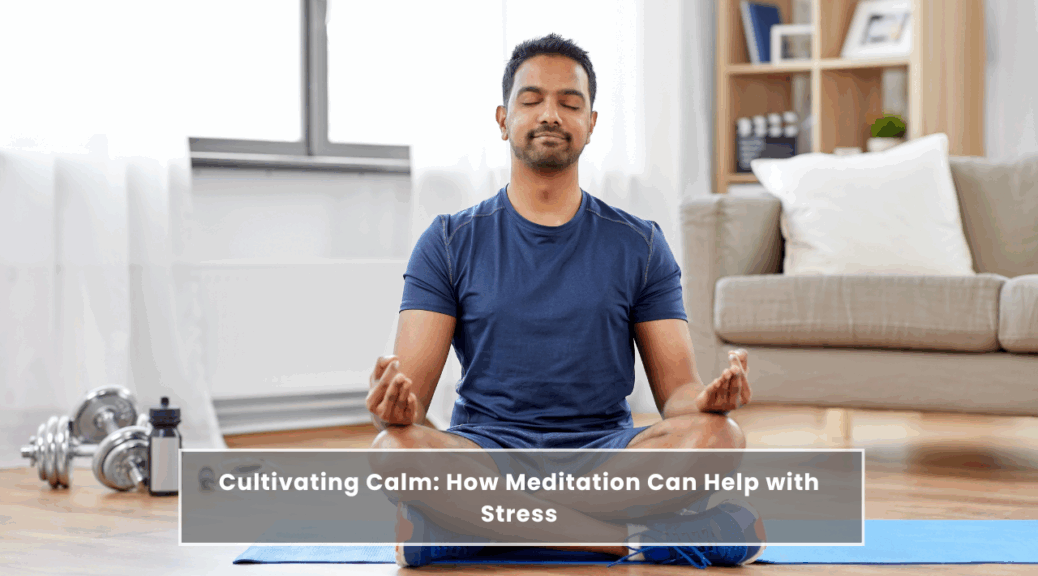
Cultivating Calm: How Meditation Can Help with Stress

Life can sometimes feel like a whirlwind, full of school, friends, and new experiences. It’s totally normal to feel stressed or worried from time to time. But what if there was a simple, super-powered tool you could use to help you feel calmer and happier? 

There is, and it’s called meditation. This article discusses how meditation can help with stress, making your world feel a little more peaceful, even when things get tough.

12 Ways Meditation Supports Well-being

Meditation is a powerful practice that offers numerous benefits for your mind and body. It’s like building a quiet, strong place within yourself that you can always return to, no matter what’s happening around you. 

Here’s a how meditation can help you with stress and navigating difficult emotions:

1. Dials Down Your Body’s Stress Alarm

When you face stress, your body’s natural alarm system, often called the “fight or flight” response, kicks in. This can make your heart pound, your breathing speed up, and your muscles tense. 

Meditation actively helps to dial down this automatic response. By focusing your attention inward and practicing deep breathing, you send clear signals to your brain that it’s safe to relax, helping to quiet this internal alarm.

2. Lowers Stress Hormones Like Cortisol

Stress causes your body to produce more stress hormones, especially one called cortisol. High levels of cortisol over time can make you feel tired, anxious, and even affect your health. 

Meditation has been shown to help your body produce less cortisol. This means your body is less overwhelmed by the physical effects of stress, leading to a calmer and more balanced feeling both inside and out.

3. Normalizes Blood Pressure and Heart Rate

Feeling stressed can make your blood pressure rise and your heart beat faster. Regular meditation helps your heart and blood vessels relax. This can lead to a more normalized blood pressure and a slower, steadier heart rate. 

It’s like giving your heart and circulatory system a much-needed break from the constant pressure of stress.

4. Improves Sleep Quality

When your mind is racing with worries, it’s incredibly hard to fall and stay asleep. Meditation helps calm your busy mind before bedtime, making it easier for you to drift off peacefully. 

Teaching your brain to settle down and relax through meditation improves the overall quality of your sleep, so you wake up feeling more refreshed and ready to handle the day.

5. Reduces Worrying and Rumination

Do you ever find yourself stuck in a loop of worrying about something that happened or something that might happen? This is called rumination, and it feeds anxiety and stress. Meditation teaches you to notice these repeating thoughts without getting caught up in them. 

You learn to observe them as if they are clouds passing in the sky, and then gently bring your attention back to the present moment, breaking the cycle of endless worry. This directly shows how meditation can help with stress.

6. Boosts Emotion Regulation

Difficult emotions like anger, sadness, or frustration can feel overwhelming. Meditation doesn’t make these feelings disappear, but it teaches you to experience them without being completely taken over. 

You learn to create a little space between yourself and your emotions, allowing you to understand them better and respond more thoughtfully instead of reacting impulsively.

7. Enhances Attention and Focus

Stress and strong emotions can make it hard to concentrate. Meditation is essentially a workout for your attention.Consistently bringing your focus back to your breath or a mantra strengthens your ability to concentrate. This improved focus helps you stay on task, learn better, and be more present in your daily activities, reducing the stress that comes from feeling scattered.

8. Increases Compassion and Social Intelligence

When you’re stressed, it’s easy to become focused only on yourself. Meditation, particularly practices that involve kindness and compassion, can help you feel more connected to others. 

You lessen feelings of isolation and increase your “social intelligence” and your ability to understand and connect with people around you. This can make your relationships stronger and more supportive, reducing a common source of stress.

9. Builds Mental Resilience

Resilience is your ability to bounce back from tough situations. Meditation helps build this mental strength by teaching you how to stay calm and grounded even amidst chaos. 

Instead of being knocked down by challenges, you learn to face them with a sense of inner stability. This makes you more adaptable and less likely to be overwhelmed by the ups and downs of life.

10. Improves Self-Awareness

Often, we react to situations without fully understanding why we feel a certain way. Meditation encourages you to look inward and become more aware of your thoughts, feelings, and physical sensations. 

Increased self-awareness helps you identify the triggers for your stress and difficult emotions, allowing you to address them more effectively and make healthier choices for your well-being.

11. Cultivates a Clearer Mind and Boosts Creativity

Stress can make your mind feel foggy and cluttered, making it hard to think clearly or come up with new ideas. Meditation helps to clear away this mental clutter, allowing for greater mental clarity. 

When your mind is clear, there’s more room for new ideas to emerge, leading to increased creativity and a more positive outlook.

12. Helps Break Life-Damaging Habits

Stress and difficult emotions can sometimes lead to unhealthy habits, like overeating, procrastinating, or spending too much time on screens. Meditation helps you become more aware of the urges and feelings that drive these habits. 

You gain the power to choose how you respond, rather than just reacting automatically. This can help you gradually let go of habits that don’t serve you and adopt healthier ways of coping.

In conclusion, understanding how meditation can help with stress is a truly powerful step towards a calmer and happier life. From calming your body’s physical responses to stress hormones, to helping you manage difficult emotions and build incredible inner strength, meditation offers a wide array of benefits. By incorporating this simple practice into your daily routine, you can cultivate lasting peace and resilience, making it easier to navigate life’s challenges with a sense of calm and well-being.

Find More Support for Emotional Calm and Resilience

If you need help with other challenges like managing anxiety, relationship difficulties, or dealing with big emotions, the Center for Connection, Healing, and Change (CCHC) can help. Our compassionate therapists work with individuals, couples, children, teens, and families, using approaches that combine different therapies with the powerful insights of mindfulness and meditation.

To learn how we can support your journey to emotional well-being and help you harness the power of practices like meditation to manage stress, please contact us today to schedule a free consultation. Call us at (703) 878-3290 or email us at info@thecenterforconnection.com. You can also visit us at 3930 Walnut St, Suite 250, Fairfax, VA 22030 or 12751 Marblestone Dr, Suite 200, Woodbridge, VA 22192. 

Our hours of operation for intake coordination are 8 a.m. to 6 p.m. Monday through Thursday and 8 a.m. to 5 p.m. Friday.

For clinical services, our hours of operation are 7 a.m. to 8 p.m. Monday through Thursday and 7 a.m. to 6 p.m. Friday.

For more information on how you can recover from hard times and become stronger, you might find this article helpful: How to Build Emotional Resilience: Bouncing Back from Life’s Challenges

The Importance of Self-Compassion: How Being Kind to Yourself Enhances Your Relationships

Life is an exciting adventure, full of triumphs and sometimes tough moments. When things get a bit rocky, it’s easy to be hard on ourselves.

But what if we told you that being kind to yourself, a practice called self-compassion, is not only good for you but also helps make your friendships and family connections even stronger? 

This article explores the huge importance of self-compassion and how treating yourself with kindness can wonderfully impact your relationships. We’ll also share some easy exercises you can try every single day.

Why Self-Compassion Really Matters

The importance of self-compassion can be seen in many parts of our lives. It acts like a superpower that helps us in surprising ways:

  • Boosts Your Mental Well-being: Self-compassion is closely linked to feeling happier and calmer. It can help reduce feelings of worry and sadness. When you are kind to yourself, you build a healthier relationship with your own mind, which makes you feel better overall.


  • Makes You Stronger Inside: Life can throw curveballs, but self-compassion helps you catch them. It builds your inner strength, or “resilience,” so you can deal with tough situations and bounce back faster when things go wrong. Instead of getting stuck in sadness, you find a way forward with kindness.


  • Helps You Accept Yourself: Instead of always trying to be perfect, self-compassion teaches you to accept yourself, flaws and all. It helps you understand that making mistakes is a normal part of being human. This takes a lot of pressure off and helps you feel more comfortable in your own skin.


  • Better Handle Your Feelings: When you practice self-compassion, you get better at noticing your emotions without letting them overwhelm you. You can sit with uncomfortable feelings like sadness or anger and respond to them with understanding, rather than trying to push them away or letting them take over. 


  • Prevents Burnout: Sometimes, if you’re always working hard or helping others, you can feel totally drained. Self-compassion reminds you to take care of yourself, too. It helps you avoid getting completely exhausted because you remember to give yourself breaks and kindness when you need it most.


  • Stable Self-Worth: Unlike self-esteem, which can go up and down depending on what you achieve or how others see you, self-compassion gives you a steady, strong feeling of self-worth. You know you are valuable just as you are, not because you’re perfect or because you’ve done something amazing. This constant feeling of worth helps you feel secure.

How Being Kind to Yourself Enhances Your Relationships

The importance of self-compassion extends far beyond our individual well-being; it significantly impacts our relationships with others. When you are kind to yourself, you are much better at being kind and understanding towards those around you.

Building Stronger Connections

Self-compassion makes you less selfish so you become more capable of closeness, more generous, and less controlling. 

Truly caring for others starts with caring for yourself. When you are gentle with yourself, your mind feels better, and your connections with others grow deeper and stronger.

Emotional Strength and Understanding for Others

Self-compassion helps you deal with problems and get back on your feet faster. This inner strength means you can handle tricky situations in your relationships with more gentleness and understanding. 

When you understand your own struggles and don’t let them overwhelm you, it’s easier to understand and care about what others are going through too.

Less Self-Criticism and More Kindness for Others

Being mean to yourself can cause a lot of problems like feeling worried, sad, and stressed. When you learn to have self-compassion, you start to quiet that inner voice. 

Instead, you activate a special “calm and soothing system” in your brain, which helps you feel better and see yourself more clearly. 

This inner peace gives you more energy to be caring and helpful to your friends and family without feeling tired or used up.

If you want to know how secure relationships can provide emotional support, reduce stress, and help us navigate life’s challenges, you might find this article helpful: The Importance of Healthy Relationships for Mental Health: Why Connections Matter.

Simple Exercises to Practice Self-Compassion Every Day

Learning to be kind to yourself is like learning any new skill; it takes a little practice! Here are some easy things you can try to build your self-compassion:

Being Mindful

Mindfulness is about paying attention to your thoughts and feelings without judging them. It helps you be fully present and kind to yourself.

  • Loving-Kindness Meditation: This is a gentle practice where you think kind thoughts for yourself, like “May I be happy,” and then send those same kind thoughts to others. 


  • RAIN (Recognize, Allow, Investigate, Nurture): This is a cool way to handle your feelings. You first Recognize what you’re feeling (like “I feel sad”). Then you Allow the feeling to be there without fighting it. Next, you Investigate gently what might be causing your distress. Finally, you Nurture yourself with kind words or a gentle touch, just like you would comfort a friend.


Write a Kind Letter to Yourself

Take a moment to write a letter to yourself, but pretend it’s from a super kind and understanding friend. In the letter, acknowledge what you’re going through and offer words of encouragement and comfort.

Use Positive Self-Talk

When your inner critic starts being mean, actively challenge it with positive and encouraging words. For example, if you’re upset about a mistake, instead of beating yourself up, tell yourself, “It’s okay to make mistakes; everyone does. 

I can learn from this and try again.” One fun exercise is to think about something you regret for just a moment, and then spend time showering yourself with love, understanding, and kindness.

Take Care of Yourself

Your body and mind is super important for self-compassion. Get enough sleep, move your body, spend time with friends, and eat healthy foods. 

When you take care of yourself, you reduce stress and find it easier to treat yourself with kindness.

Get Help if You Need It

If you find it really hard to be kind to yourself, it’s totally okay to ask for help! A therapist or counselor can offer great support. 

Therapy can help you heal from past hurts that might be making it hard to be self-compassionate. Some therapists even specialize in something called Compassion-Focused Therapy (CFT), which specifically helps you learn to have a warm, kind voice inside your head to help you through challenges.

Self-compassion is a mindset that helps us treat ourselves with kindness and understanding, especially when life gets tough. By being kind to our inner selves, we not only feel better mentally but also create deeper, stronger, and more caring relationships with everyone around us. 

It’s a journey that takes time and practice, but the rewards, like happier relationships and a more joyful life, are absolutely worth it. So, embrace the amazing power of self-compassion, and watch how being kind to yourself transforms your entire world!

How CCHC Can Help

The Center for Connection, Healing, and Change (CCHC) is a wonderful place that helps people by combining different ways of healing, like talking therapy and brain science, with calm practices like mindfulness. We focus on helping people connect better, heal from past hurts, and make positive changes in areas like family relationships, worries, self-worth, and tough experiences. Our therapists work with individuals, couples, kids, teens, and families. We look at the whole person and their connections, offering care that helps with trauma, uses body awareness, and focuses on building strong attachments. 

Ready to explore how self-compassion can transform your life and relationships? Schedule a free consultation with us today, call us at (703) 878-3290, or email us at info@thecenterforconnection.com. You can also visit our Fairfax office at 3930 Walnut St, Suite 250, Fairfax, VA 22030, or our Woodbridge office at 12751 Marblestone Dr, Suite 200, Woodbridge, VA 22192.

Our intake coordination hours are Monday through Thursday from 8 a.m. to 6 p.m. and Friday from 8 a.m. to 5 p.m. Clinical services are available Monday through Thursday from 7 a.m. to 8 p.m. and Friday from 7 a.m. to 6 p.m.

Finding Your Way Back: Healing Trauma Through Relationships

Have you ever gone through something deeply painful, an experience that left you feeling scared, alone, or unsure of who to trust? These kinds of experiences are often called trauma. Trauma can come from a single overwhelming event or from a series of smaller, ongoing hardships. 

It can leave a lasting impact, especially when it happens early in life and can shape how we see ourselves and how we relate to others, making it difficult to form healthy, trusting connections. 

But healing doesn’t have to be a solitary journey. In fact, one of the most powerful and lasting ways of recovery is healing trauma through relationships. When we experience genuine care, safety, and connection with others, it helps us rebuild trust, feel seen, and begin to mend what’s been broken inside. 

Relationships can become a safe place, a kind of emotional bridge, that supports us as we move forward.

What Happens When We Go Through Trauma?

Trauma isn’t just a bad memory; it changes how our brains and bodies work. It can make us feel jumpy, worried, or sad a lot of the time. We might have nightmares or feel like we’re reliving the tough event. It can also make it hard to feel close to people, because trusting feels scary. 

Sometimes, people who have been through trauma might struggle with things like anxiety or feeling down. Feeling overwhelmed or worried is a common experience, and learning how to handle anxiety is an important part of healing.

This is especially true with something called relational trauma. This often happens when the people who were supposed to care for us, like parents or caregivers, weren’t always consistent or safe. This can make it really tough to form healthy relationships later on.

How Do Relationships Help Us Heal?

Think about a time you felt scared or sad, and a friend or family member just sat with you and listened. Didn’t that help you feel a little better? That’s a small example of how safe relationships can help us heal.

When we have secure relationships, they provide:

A Safe Place to Be You

Healing starts when we feel safe. Secure relationships offer a safe space to talk about what happened, to feel your feelings without judgment, and to just be without pretending everything is okay. This kind of safety helps quiet down the alarm system in our brains that trauma can turn on.

Learning to Trust Again

Trauma, especially relational trauma, can really break down trust. In a secure relationship, you can practice trusting someone little by little. When someone is reliably there for you, listens, and respects you, it helps show your brain and heart that not everyone will hurt you. This rebuilding of trust is a key part of healing trauma through relationships.

Feeling Connected, Not Alone

Trauma can make you feel very alone, like nobody else understands. Secure relationships fight against that loneliness. Knowing there are people who care about you, who want to support you, makes a huge difference in feeling less isolated.

Understanding Your Feelings

Sometimes, trauma makes our feelings feel too big or scary to handle. In a supportive relationship, you can learn to understand and manage these big feelings. Trusted people can help you sort through them, or just be a calm presence when you’re feeling overwhelmed.

Tools That Help Healing

Healing from trauma is a journey, and relationships are a vital part of it. But there are other helpful tools too.

Talking It Out With a Professional (Therapy)

Therapists who understand trauma have special ways to help you process what happened in a safe setting. Therapies like Trauma-Focused CBT or Eye Movement Desensitization and Reprocessing (EMDR) can help you understand how the trauma affected you and learn new ways to cope. Working with a therapist is like having a guide who knows the way through the difficult parts of the journey.

Connecting With Your Body

Trauma doesn’t just affect our minds; it affects our bodies too. Sometimes, healing involves movement, like yoga or other exercise. These activities can help release tension and make you feel more connected to your body in a safe way. Mindfulness practices, like paying attention to your breath or what’s happening right now, can also help you feel more present and less stuck in the past.

Taking Care of Yourself Every Day

Healing also means taking good care of yourself. This includes getting enough sleep, eating healthy foods, and doing things you enjoy. Spending time with friends and family, the people in your support system, is also a huge part of this. These healthy habits build strength and help your body and mind recover.

Building Your Circle of Support

Finding and building secure relationships takes time, especially if trauma has made it hard to trust. Start small. Connect with people who make you feel safe and accepted. This could be a family member, a friend, a partner, or even a support group.

It’s also important to learn about healthy boundaries in relationships. Boundaries are like invisible lines that protect your feelings and energy. In secure relationships, people respect each other’s boundaries. This helps everyone feel safe and valued.

To learn more about how you can feel valued in a relationship, read our article, “How to Have Self-Worth in a Relationship: Building Confidence and Healthy Connections.”

Healing from trauma is a brave process, and you don’t have to go through it alone. Building and relying on secure relationships is a powerful way to find connection, rebuild trust, and move towards a brighter future. Remember, help is available, and finding the right support can make all the difference in healing trauma through relationships.

How CCHC Can Help

The Center for Connection, Healing, and Change (CCHC) understands that healing from trauma often involves understanding ourselves and our relationships. We blend different approaches, including therapy and looking at how our brains work, along with the wisdom of mindfulness.

We help people with many different challenges, including experiences of trauma and attachment issues, which are about how we connect with others. Our therapists work with individuals, couples, and families from a whole-person perspective, focusing on care that understands trauma, uses body-based methods, and looks at attachment styles.

Ready to take a step towards healing and building stronger connections? Schedule a free consultation with us today, email info@thecenterforconnection.com, call (703) 878-3290, or visit our offices in Fairfax or Woodbridge. We are located at 3930 Walnut St, Suite 250, Fairfax, VA 22030 or at 12751 Marblestone Dr, Suite 200, Woodbridge, VA 22192. Our hours of operation for intake coordination are Monday through Thursday from 8 a.m. to 6 p.m. and Friday from 8 a.m. to 5 p.m. Our clinical services are available Monday through Thursday from 7 a.m. to 8 p.m. and Friday from 7 a.m. to 6 p.m.

How to Have Self-Worth in a Relationship: Building Confidence and Healthy Connections

Self-worth is the belief that you are valuable simply because you are you. Why does it matter and what are the practical steps to help you understand how to have self-worth in a relationship? 

Defining Self-Worth

Self-worth is the inner sense of being valuable and deserving of respect without needing constant praise or external validation. It means knowing that regardless of what others say or what you achieve, you are important simply because you exist. 

This idea is powerful because it shifts the focus from seeking approval to embracing your inherent value. When explained in simple terms, self-worth is like realizing you have a treasure inside you that no one can take away and it’s constant because it comes from who you are at your core.

Why Self-Worth Matters in Relationships

A strong sense of self-worth affects all areas of your life, especially your relationships. When you know your value, you are better equipped to maintain balanced, healthy connections. Here’s how self-worth transforms various aspects of your interactions:

Setting Healthy Boundaries: When you recognize your own value, you are more likely to set clear limits that protect your time, energy, and emotional well-being. You learn to say “no” when necessary and understand that your feelings and needs are important. This prevents you from being taken advantage of and cultivates relationships where mutual respect is the foundation.

Clear Expression of Feelings: Self-worth gives you the courage to openly share your thoughts and emotions, even when they might be difficult to express. 

When you feel confident in your value, you are less afraid of judgment or rejection. This creates deeper, more authentic connections, as both you and your partner can understand each other better and work together to resolve challenges.

Balanced Dependency: Knowing your self-worth encourages a healthy independence within your relationships. Instead of relying on another person to define your value, you maintain your own sense of identity. 

While you enjoy closeness and support, you still hold on to your individuality. This prevents situations where you might otherwise lean too heavily on someone else for validation or self-esteem.

Mutual Respect: When you value yourself, it naturally encourages others to see your worth and treat you accordingly. 

Appreciating your own strengths and qualities sets a standard for how you expect to be treated. This forms the backbone of any strong relationship, where both partners acknowledge and celebrate each other’s contributions and unique qualities.

Creating a Harmonious Environment: Ultimately, having self-worth in a relationship helps foster an atmosphere where love is both given and received respectfully. When both partners feel secure in their own value, they are more likely to share compassion, kindness, and appreciation. 

This minimizes conflicts, as interactions are framed by understanding and empathy rather than fear or insecurity.

Practical Steps to Build Self-Worth

Small, actionable steps help you recognize your value and take control of your well-being. 

Here are practical steps that show you how to have self-worth in a relationship through simple, everyday actions.

1. Know Your Worth

Recognize your talents and strengths in a relationship. Reflect on the things that make you special, whether it’s your creativity, kindness, or ability to solve problems. 

By reminding yourself daily that you are important, you start to build an internal reserve of confidence that no one else can diminish. Think about a time when someone complimented you or when you achieved something meaningful, and let that memory reinforce the idea that you matter. 

This positive self-talk lays a strong foundation for all your relationships.

2. Take Care of Yourself

Taking care of yourself involves more than just physical health; it is also about nurturing your emotional and mental well-being. 

When you get enough sleep, eat nutritious foods, exercise, and engage in activities that bring you joy, you demonstrate that you are worthy of care and attention. Simple routines such as a morning walk or a quiet moment of meditation can make you feel refreshed and more confident in your daily life.

3. Identify Your Needs

Understanding your emotional and physical needs is key to feeling secure and balanced. Everyone has needs, such as the need for love, respect, or even a little space to recharge. 

Reflect on what makes you feel safe, happy, and fulfilled. Whether it’s having a quiet moment after a busy day or spending quality time with a friend, identifying these needs helps you articulate them to those around you. 

When you communicate your needs clearly, you help create a nurturing relationship where both partners feel valued. This process is essential because it builds a bridge between your inner world and your interactions with others.

4. Overcome Limiting Beliefs

Limiting beliefs are those negative thoughts that tell you you’re not good enough or that you don’t deserve love. These ideas often stem from past experiences or hurtful messages you may have received during your childhood or earlier relationships. 

Challenge these thoughts by questioning their truth and replacing them with affirmations of your worth. Remind yourself with examples—perhaps from your personal successes or moments when you made someone smile—that you are truly valuable. 

With each small victory over these limiting thoughts, you strengthen your ability to have self worth in a relationship, creating space for growth and genuine connection.

5. Release Your Expectations

Expecting perfection from yourself or your partner creates pressure that can disrupt a healthy relationship. Instead, learn to appreciate the beauty of imperfections. 

When you focus on what is present and good in your life rather than what is missing, you create a more realistic and positive outlook. Celebrate the small wins and the everyday moments that show how much love and care exists between you and your partner. 

By releasing the burden of unrealistic expectations, you foster an environment where both individuals can thrive.

6. Let Go of the Past

Holding on to past hurts and disappointments can weigh you down and limit your ability to move forward. While your past teaches you valuable lessons, it should not dictate your future. 

Embrace a mindset that focuses on the present and the possibilities that lie ahead. Letting go doesn’t mean forgetting, but rather choosing not to let old wounds prevent you from experiencing new joys. 

This fresh perspective helps you build confidence and clarifies the path on how to have self-worth in a relationship—by valuing the moments you share now rather than being shadowed by memories of the past.

7. Be Present and Have Fun

Enjoying the present means actively engaging with the people and activities around you. When you immerse yourself in the moment, whether through a shared laugh, a fun game, or even a deep conversation, you create lasting memories that build connection and confidence. 

8. Practice Honesty

Honest communication is the cornerstone of trust in any relationship. By being truthful with yourself and with those close to you, you establish a foundation of openness. Share your thoughts, feelings, and concerns with clarity and kindness. 

When you commit to honesty, you invite others to do the same, which builds mutual respect and strengthens your relationships. This core practice reinforces the idea that transparency and trust lead to deeper, more genuine connections.

8. Cultivate Confidence Through Small Wins

Every achievement, no matter how minor, contributes to your sense of confidence. Acknowledge your accomplishments, from learning a new skill to handling a tricky situation at school or home. 

Each small win is a reminder that you are capable and worthy. Celebrate these moments as they accumulate, reinforcing the message that you are capable of overcoming challenges. This cycle of achievement boosts your inner strength and makes you resilient.

9. Trust Yourself and Make Wise Decisions

Believing in your own judgment is essential to building self-confidence. Trust yourself when making decisions, small or big, and learn from the outcomes. When you feel certain about your choices, you affirm that you have the skills and intuition to navigate your life successfully. 

This empowers you to stand by your decisions and maintain the respect you deserve. Over time, developing this trust helps you become more independent and confident, contributing to a healthier, more balanced connection with others.

Maintaining and Nurturing Self-Worth Over Time

Here’s how you can maintain and nurture self-worth over time:

Ongoing Self-Care and Reflection

Building self-worth is not a one-time event but a lifelong journey. Regular self-reflection, whether through journaling, meditation, or thoughtful conversation, helps you stay connected with your inner self. 

These practices allow you to monitor your progress and reinforce the positive habits that support your overall well-being. Consistent self-care ensures that you remain confident and resilient, even when faced with life’s challenges.

Want to know how to bounce back from life’s challenges? Check out our article: How to Build Emotional Resilience: Bouncing Back from Life’s Challenges.

Seek Support and Professional Help

Sometimes, talking to a trusted friend or a professional can provide valuable insights and support when you’re feeling stuck. Seeking help is not a sign of weakness; it is a way to empower yourself further on your journey. A counselor or therapist can offer guidance on how to build and maintain self-worth, making it easier to navigate relationships.

Building a strong sense of self-worth is the first step toward creating happier and healthier relationships. By following these detailed steps and consistently reaffirming your inner value, you learn how to have self-worth in a relationship. 

Embrace each day as an opportunity to build confidence and live authentically, knowing that your inherent worth is never defined by external circumstances. Remember, when you value yourself, you lay the groundwork for a life full of love, respect, and meaningful connections.

How CCHC Can Help

The Center for Connection, Healing, and Change (CCHC) offers an interdisciplinary approach to helping individuals improve their self-worth. By combining psychotherapy, neuroscience, and mindfulness practices, CCHC supports you in understanding your inner value and building stronger relationships. Our dedicated team provides personalized guidance to help you navigate challenges and foster a deeper connection with yourself and others. 

To learn more about how we can help you build self-worth in your relationship, schedule a free consultation now, call (703) 878-3290, email info@thecenterforconnection.com, or visit our office at 12751 Marblestone Dr, Suite 200, Woodbridge, VA 22192 or 3930 Walnut St, Suite 250, Fairfax, VA 22030.

The Importance of Healthy Relationships for Mental Health: Why Connections Matter

Have you ever noticed how a heartfelt conversation with a loved one can lift your mood? Secure relationships provide emotional support, reduce stress, and help us navigate life’s challenges. 

When we feel connected to others, we experience a sense of safety and stability that directly impacts our mental well-being. This blog will explore the importance of healthy relationships for mental health and how that can help us heal and thrive.

The Importance of Healthy Relationships for Mental Health

Healthy relationships play a fundamental role in our overall mental well-being. They provide us with a sense of belonging, reduce stress, and contribute to emotional resilience.

When we cultivate strong connections, we create a support system that enhances our ability to cope with life’s ups and downs.

Emotional Support and Sense of Belonging

Humans are wired for connection. Strong relationships give us a sense of belonging, making us feel valued and understood. When we share our joys and struggles with trusted individuals, we feel less isolated. 

Maintaining close connections protects mental and brain health, keeping us sharper and happier as we age. Having someone who listens without judgment can be the difference between feeling overwhelmed and feeling supported.

Reduction of Stress and Promotion of Mental Resilience

Life’s challenges can feel overwhelming, but having a supportive network makes them easier to bear. Secure relationships provide comfort and reassurance in tough times. A strong support system—including friends, family, or a partner—reduces stress and fosters resilience. 

Knowing we’re not alone helps us face difficulties with strength and hope. Individuals with secure relationships tend to have lower levels of cortisol, the stress hormone, which directly benefits their overall health.

Emotional Support and Its Healing Effects

Emotional support plays a crucial role in maintaining good mental health. It can alleviate anxiety, reduce depression, and create a space where individuals feel heard and valued.

Alleviation of Anxiety and Depression

Emotional support is a powerful antidote to anxiety and depression. When we face difficult emotions, having someone to lean on provides relief. Nurturing relationships help lower these feelings, providing stability during tough times. 

A simple conversation, a hug, or even just knowing someone cares can significantly improve our mental well-being. Emotional support offers a buffer against stress, reducing the likelihood of experiencing prolonged periods of anxiety or depression.

Sharing Feelings Leading to Emotional Healing

Bottling up emotions can intensify stress, but opening up to trusted individuals brings relief. Talking about our struggles fosters emotional healing and strengthens bonds. When we express ourselves, we feel validated and understood, making it easier to process difficult emotions. 

Healthy communication in relationships allows us to express feelings freely and build deeper connections. Whether through therapy, friendships, or family discussions, sharing our experiences helps lighten our emotional burdens.

Building and Maintaining Secure Relationships

Developing strong relationships requires ongoing effort, communication, and mutual understanding. We can build and sustain meaningful connections that contribute to our mental health by implementing some of these positive habits;

Effective Communication and Empathy

Good communication is essential for healthy relationships. Active listening, honest expression, and empathy strengthen bonds. When people feel heard and understood, their emotional well-being improves. 

Open communication fosters trust and reduces misunderstandings, allowing relationships to flourish. Practicing active listening, validating feelings, and being mindful of tone and body language can enhance the quality of our relationships.

Consistency, Reliability, and Mutual Respect

Strong relationships require consistency and respect. Keeping promises, being present, and treating others with kindness nurture lasting connections. Recognizing and addressing unhealthy relationship patterns is crucial for mental well-being. When relationships are built on reliability and mutual respect, they provide a stable foundation for emotional and psychological growth.

The importance of healthy relationships for mental health cannot be overstated. Secure relationships provide emotional support, reduce stress, and promote healing. By building trust, practicing empathy, and prioritizing meaningful connections, we enhance our well-being and lead happier, healthier lives. Investing in relationships isn’t just good for the heart—it’s essential for the mind, too. Whether through close friendships, family bonds, or romantic partnerships, the presence of secure relationships can significantly impact our emotional resilience and overall life satisfaction.

How CCHC Can Support Your Mental Well-Being

Building and maintaining secure relationships is essential for mental health, but sometimes, professional support is needed to navigate challenges and foster deeper connections. The Center for Connection, Healing, and Change (CCHC) takes a holistic and interdisciplinary approach, integrating psychotherapy, neuroscience, mindfulness, and meditation to promote emotional well-being.

CCHC specializes in strengthening relationships and supporting individuals dealing with anxiety, depression, self-worth issues, trauma, stress management, emotional regulation, and more. Whether you’re looking to improve communication, heal from past experiences, or build resilience, our expert therapists offer compassionate, trauma-informed care for couples, families, children, teens, and adults.

If you’re ready to invest in your mental health and relationships, schedule a free consultation today or visit our offices in Woodbridge or Fairfax.

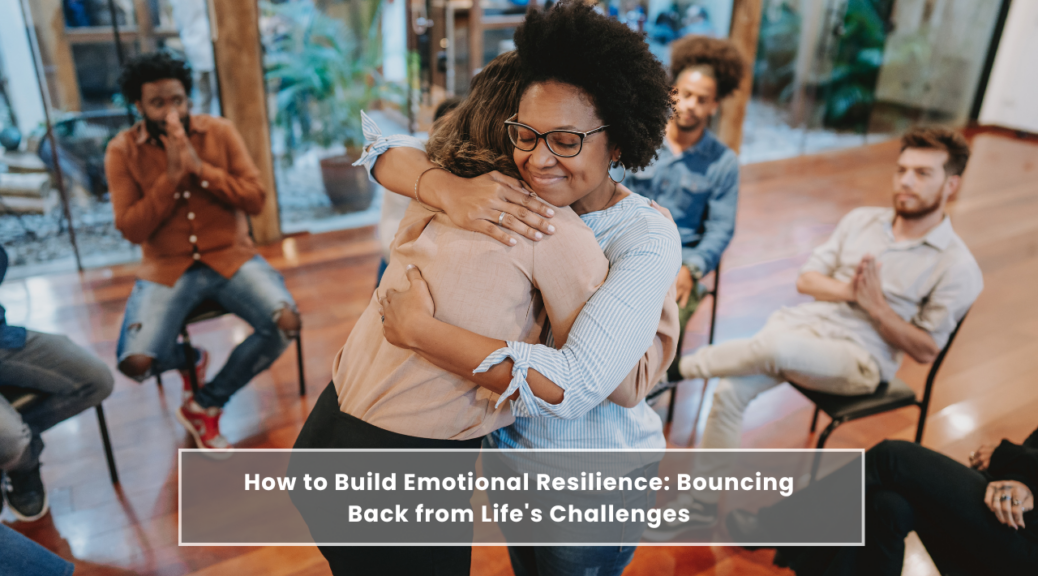
How to Build Emotional Resilience: Bouncing Back from Life’s Challenges

Sometimes in life things don’t go as planned. Maybe you failed a test, lost a friend, or felt left out. These moments can be tough, but they don’t have to break you. Learning how to build emotional resilience helps you recover from hard times and become stronger.

Emotional resilience is like a muscle—you can strengthen it with practice. It helps you manage stress, stay positive, and keep going even when life gets hard. 

Key Practices for Building Emotional Resilience

Developing emotional resilience involves cultivating essential habits that strengthen your ability to navigate life’s challenges. These include self-awareness, mindfulness, and emotional regulation.

Self-Awareness

The first step to building emotional resilience is knowing yourself. Pay attention to how you feel when something goes wrong. Do you get angry, sad, or frustrated? When you understand your emotions, you can control them instead of letting them control you.

Try writing in a journal or talking to someone you trust about your feelings. When you name your emotions, they become easier to handle. The more you understand yourself, the better you can face life’s challenges.

Practicing Mindfulness

Mindfulness means paying attention to the present moment. Instead of worrying about the past or the future, focus on what’s happening right now. This can help you feel calm and in control, even in tough situations.

One easy way to practice mindfulness is deep breathing. When you feel overwhelmed, take a slow, deep breath in and then slowly breathe out. Doing this a few times can help you feel more relaxed. You can also try meditation or simply noticing the sights, sounds, and feelings around you.

Emotional Regulation

Everyone feels sad, angry, or stressed sometimes. The key is learning how to handle these emotions in a healthy way. Instead of yelling or shutting down, find ways to calm yourself.

If you feel upset, try taking a walk, listening to music, or talking to a friend. Exercise can also help because it releases feel-good chemicals in your brain. Learning to manage your emotions will make you stronger and more resilient.

How Therapy Can Help

When life’s challenges feel too big to handle alone, therapy can be a great way to build emotional resilience. It provides a safe space where you can talk about your feelings, gain clarity, and develop skills to cope with difficulties. 

Here’s how therapy can support your emotional resilience:

Understanding Your Emotions

Therapists help you explore and understand your emotions better. They guide you through self-reflection, helping you recognize patterns in your thoughts and reactions. This deeper understanding allows you to respond to challenges more effectively rather than feeling overwhelmed.

Learning Coping Strategies

Therapy introduces practical coping techniques that make emotional resilience easier to develop. Through guided discussions, role-playing, or journaling exercises, therapists help individuals replace negative thought patterns with healthier ways of thinking. Learning these strategies can make everyday challenges feel less overwhelming.

Strengthening Problem-Solving Skills

A big part of emotional resilience is knowing how to approach problems with confidence. Therapists teach problem-solving techniques that help you break down difficult situations into smaller, more manageable steps. This makes challenges feel less intimidating and gives you the skills to navigate obstacles more effectively.

Healing from Past Experiences

Unresolved trauma, childhood experiences, or past failures can impact how you handle stress today. Therapy provides a space to process these experiences, freeing you from emotional burdens that might be holding you back. By working through past struggles, you build a stronger foundation for resilience.

Gaining Emotional Support

Sometimes, just knowing that someone is there to listen can be incredibly helpful. Therapists offer emotional support and guidance, helping you build self-confidence and emotional strength. Through therapy, you can learn to trust yourself, improve your relationships, and become more emotionally resilient.

Hard times are part of life, but they don’t have to define you. By practicing self-awareness, mindfulness, and emotional regulation, you can learn how to build emotional resilience. Therapy can also help you grow stronger and face life’s challenges with confidence.

Remember, resilience is a skill you can develop. The more you practice, the better you’ll get at bouncing back from setbacks. If you need extra support, CCHC is here to help. 

How CCHC Can Help

The Center for Connection, Healing, and Change (CCHC) takes an interdisciplinary approach, interweaving psychotherapy and neuroscience with the timeless wisdom of mindfulness and meditation.

We promote connection, healing, and change in the following areas: couple and family relationships, substance use and processing addictions, depression and/or anxiety, self-worth and identity, sexual life, baby bonding and communication, attachment, experiences of trauma, abuse, and PTSD, childhood experiences and family of origin work, chronic pain and physical illness, military life, parenting, stress management and resilience building, emotional regulation and wellbeing, anger management, spiritual life, behavioral issues, and sexuality.

Our therapists work with couples, children, teens, families, and adults—all from a systemic and holistic perspective. 

We are particularly committed to providing services grounded in trauma-informed care, somatic and body-based approaches, and attachment-focused ways of working. 

Schedule a free consultation with us today, or visit our offices in Woodbridge or Fairfax.

Valentine’s Day and Beyond: Cultivating Loving and Resilient Relationships

Strong relationships need more than flowers and chocolates to thrive. They require care, effort, and mindful practices that help couples stay connected even after the holiday is over. Learning how to nurture love with mindfulness and resilience can make all the difference, especially this valentine. Let’s explore how you can build healthier and more loving relationships not just on Valentine’s Day, but every day of the year. 

For expert guidance, schedule a free consultation with us today, or visit our offices in Woodbridge or Fairfax.

Practices for Building Resilient and Loving Relationships

Building a strong and resilient relationship takes intentional effort. The following practices—mindfulness, empathy, active listening, and conflict management—are key to creating a deeper connection with your partner.

1. Practicing Mindfulness in Relationships

Mindfulness is about being present in the moment and truly paying attention to your partner. When you practice mindfulness, you listen without interrupting, notice their feelings, and respond with care. For example, instead of rushing to offer advice when your partner shares something, you might simply say, “That sounds really tough. How can I help?” These small changes can make your partner feel heard and valued.

Mindfulness also helps you stay calm during conflicts. Instead of reacting with anger, you can pause, take a deep breath, and think about how to respond respectfully. This approach keeps arguments from escalating and helps you work through problems together.

2. Build Empathy: The Heart of Connection

Empathy is like a bridge that connects you and your partner. It means trying to understand their feelings and experiences, even when you don’t agree. Imagine your partner had a rough day at work. Showing empathy could mean saying, “I’m sorry you’re feeling this way. I’m here for you.” Simple words like these can create a sense of safety and trust.

Empathy also involves considering your partner’s perspective during disagreements. Instead of focusing on being “right,” think about how the situation looks through their eyes. This mindset fosters compassion and makes it easier to find solutions together.

3. The Art of Active Listening

Listening sounds simple, but doing it well takes practice. Active listening means giving your partner your full attention—no phones, no distractions—and making an effort to understand their words and emotions. When your partner talks, nod to show you’re engaged or repeat back what you heard, like, “So you’re feeling upset because…” This not only confirms that you’re listening but also helps avoid misunderstandings.

Active listening also means asking questions to show interest and care. For instance, you might say, “Can you tell me more about why that’s bothering you?” These simple acts deepen your connection and make your partner feel valued.

4. Manage Conflict with Care

All couples face disagreements, but how you handle them matters. Instead of blaming or yelling, focus on solving the problem together. Start by calmly expressing how you feel, using “I” statements. For example, say, “I feel hurt when…” rather than “You always…” This reduces defensiveness and encourages open communication.

Remember, it’s okay to take a break if emotions run high. Stepping away for a few minutes to cool down can prevent harsh words and give you both time to think clearly. When you come back, approach the issue with a solution-focused mindset.

Valentine’s Day is a beautiful reminder to cherish your partner, but true love grows through daily acts of care and connection. By practicing mindfulness, empathy, and active listening, you can build a relationship that’s resilient and full of love. Whether it’s celebrating small victories or navigating challenges together, the effort you invest in your relationship will pay off in joy and closeness.

So, start today. Listen a little more, speak with kindness, and show your partner how much they mean to you. Love doesn’t just happen; it’s something you cultivate every single day.


How CCHC Can Help

The Center for Connection, Healing, and Change (CCHC) takes an interdisciplinary approach, interweaving psychotherapy and neuroscience with the timeless wisdom of mindfulness and meditation.

We promote connection, healing, and change in the following areas: couple and family relationships, substance use and processing addictions, depression and/or anxiety, self-worth and identity, sexual life, baby bonding and communication, attachment, experiences of trauma, abuse, and PTSD, childhood experiences and family of origin work, chronic pain and physical illness, military life, parenting, stress management and resilience building, emotional regulation and wellbeing, anger management, spiritual life, behavioral issues, and sexuality.

Our therapists work with couples, children, teens, families, and adults—all from a systemic and holistic perspective. 

We are particularly committed to providing services grounded in trauma-informed care, somatic and body-based approaches, and attachment-focused ways of working. 

Schedule a free consultation with us today, or visit our offices in Woodbridge or Fairfax.

How to Build a Strong Relationship with Yourself: New Year, New Connections

Setting goals for career or fitness is fairly common. But have you for a moment thought about the most crucial areas of personal growth: learning how to build a strong relationship with yourself. This new year, prioritize creating a deeper connection with yourself to cultivate emotional resilience, self-worth, and a sense of inner peace.

Why Focusing on Yourself Matters

It’s easy to lose sight of your own needs and desires while juggling multiple responsibilities. Building a strong relationship with yourself lays the foundation for every other relationship in your life. When you’re connected to your emotions, confident in your worth, and comfortable being alone, you’re better equipped to navigate life’s challenges and form healthy bonds with others.

This journey isn’t selfish; it’s necessary. Think of it as refueling your inner energy so you can show up for others without depleting yourself. It’s about becoming your own best friend, advocate, and cheerleader.

Steps to Strengthen Your Connection With Yourself

Here are a few tips on how to build a strong relationship with yourself:

Embrace Self-Reflection

Start your journey by setting aside quiet moments for self-reflection. Journaling, for example, can help you identify patterns in your thoughts and emotions. Ask yourself honest questions: “What makes me happy?” “What drains my energy?” Writing down your reflections can provide clarity and deepen your understanding of your needs and goals.

Practice Mindfulness

Mindfulness is a powerful tool for staying present and aware. Whether through meditation, deep breathing, or simply focusing on the sensations around you, mindfulness helps you reconnect with yourself. Over time, this practice can reduce anxiety and improve your ability to respond calmly to life’s stressors. Make it a daily habit—even a few minutes can make a difference.

Prioritize Emotional Ease

Emotions are a vital part of who you are. Instead of suppressing difficult feelings, give yourself permission to experience and process them. This could mean crying when you feel overwhelmed or talking openly about your fears and frustrations. Building a strong relationship with yourself means accepting all parts of you, including the messy, imperfect ones.

Celebrate Your Wins—Big and Small

Recognize your achievements, no matter how minor they seem because that reinforces your self-worth. Did you stick to a morning routine today? That’s a win. Did you manage to say no to something that didn’t serve you? Celebrate it. These moments remind you that you are capable and deserving of self-recognition.

Cultivate Self-Compassion

It’s easy to be your own worst critic, but this year, challenge yourself to replace self-criticism with self-compassion. When you make a mistake, treat yourself with the same kindness you’d offer a friend. This shift not only improves your mood but also fosters long-term self-acceptance.

Explore Activities That Bring Joy

Engaging in hobbies or activities you genuinely love is another way to deepen your relationship with yourself. Whether it’s painting, hiking, or dancing, these moments of joy remind you of the beauty in simply being yourself.

Building Self-Worth Through Consistency

The relationship you have with yourself isn’t built overnight. Like any meaningful connection, it takes time and consistent effort. By committing to regular self-care practices and setting boundaries that protect your well-being, you’re reinforcing the message that you value yourself.

Consistency also involves showing up for yourself even when it feels hard. There will be days when prioritizing your well-being might seem like an uphill battle, but those are the moments when it matters most.

Learning how to build a strong relationship with yourself is the most empowering resolution you can make this New Year. By embracing self-reflection, mindfulness, and self-compassion, you set the stage for a year filled with growth, resilience, and joy. Remember, the connection you cultivate with yourself shapes how you experience the world—and it all starts with small, intentional steps.

Take this New Year as an opportunity to connect with the most important person in your life: you.

How CCHC Can Help

The Center for Connection, Healing, and Change (CCHC) takes an interdisciplinary approach, interweaving psychotherapy and neuroscience with the timeless wisdom of mindfulness and meditation.

We promote connection, healing, and change in the following areas: couple and family relationships, substance use and processing addictions, depression and/or anxiety, self-worth and identity, sexual life, baby bonding and communication, attachment, experiences of trauma, abuse, and PTSD, childhood experiences and family of origin work, chronic pain and physical illness, military life, parenting, stress management and resilience building, emotional regulation and wellbeing, anger management, spiritual life, behavioral issues, and sexuality.

Our therapists work with couples, children, teens, families, and adults—all from a systemic and holistic perspective. 

We are particularly committed to providing services grounded in trauma-informed care, somatic and body-based approaches, and attachment-focused ways of working. 

Schedule a free consultation with us today, or visit our offices in Woodbridge or Fairfax

Managing Stress During the Holidays: A Guide to Holiday Harmony and Therapeutic Resilience

There’s often an emotional weight of family gatherings that comes with the demands of the season. All that can overwhelm even the most resilient individuals. Managing stress during the holidays is thus crucial to maintaining balance and well-being during this busy time. In this blog post, we’ll explore therapeutic insights and resilience-building strategies to help you navigate the season and find harmony amid festivities.

Understanding Holiday Stress

The holiday season is a complex blend of expectations, traditions, and emotions. While it’s a time for joy and celebration, it can also be a source of stress and anxiety. Factors such as financial strain, family dynamics, and unrealistic expectations can contribute to increased stress levels. Recognizing these stressors is the first step towards managing stress during the holidays effectively.

Building Resilience: A Therapeutic Approach

Resilience is the ability to bounce back from adversity. By building resilience, we can better cope with the challenges of managing stress during the holidays. Here are some therapeutic strategies to enhance your resilience:

Mindfulness and Meditation:

  • Practice mindfulness: Pay attention to the present moment without judgment. Mindfulness techniques, such as meditation and deep breathing, can help reduce stress and anxiety.
  • Engage in meditation: Regular meditation can calm the mind, improve focus, and promote emotional well-being.
  • Mindful movement: Incorporate mindful movement practices like yoga or tai chi into your routine. These activities can help reduce stress and improve flexibility.
  • Mindful eating: Pay attention to your body’s hunger and fullness cues. Eat slowly and savor each bite.

Self-Care:

  • Prioritize self-care: Make time for activities that you enjoy, such as reading, spending time in nature, or taking a warm bath.
  • Get enough sleep: Adequate sleep is essential for both physical and mental health. Aim for 7-8 hours of sleep each night.
  • Eat a healthy diet: Nourish your body with nutritious foods to support your overall well-being.
  • Regular exercise: Engage in regular physical activity to boost your mood and reduce stress.

Effective Communication:

  • Communicate openly and honestly: Express your feelings and needs to others.
  • Set boundaries: Don’t feel obligated to attend every event or participate in every activity.
  • Practice active listening: Pay attention to what others are saying and respond empathetically.
  • Assertive communication: Express your needs and wants in a clear and direct manner.

Limit Stressors:

  • Simplify traditions: Reevaluate your holiday traditions and let go of those that no longer bring you joy.
  • Set realistic expectations: Don’t strive for perfection.
  • Delegate tasks: Share the workload with others.
  • Time management: Create a realistic schedule and prioritize tasks.

Seek Professional Help:

  • Consult a therapist: If you’re struggling with significant stress or anxiety, consider seeking professional help.

By incorporating these therapeutic strategies into your holiday routine, you can build resilience, effectively managing stress during the holidays to experience a more harmonious holiday season. Remember, it’s okay to prioritize your mental health and well-being. By taking care of yourself, you can enjoy the festivities without feeling overwhelmed.

How CCHC Can Help

The Center for Connection, Healing, and Change (CCHC) takes an interdisciplinary approach, interweaving psychotherapy and neuroscience with the timeless wisdom of mindfulness and meditation.

We promote connection, healing, and change in the following areas: couple and family relationships, substance use and processing addictions, depression and/or anxiety, self-worth and identity, sexual life, baby bonding and communication, attachment, experiences of trauma, abuse, and PTSD, childhood experiences and family of origin work, chronic pain and physical illness, military life, parenting, stress management and resilience building, emotional regulation and wellbeing, anger management, spiritual life, behavioral issues, and sexuality.

Our therapists work with couples, children, teens, families, and adults—all from a systemic and holistic perspective. 

We are particularly committed to providing services grounded in trauma-informed care, somatic and body-based approaches, and attachment-focused ways of working. 

Schedule a free consultation with us today, or visit our offices in Woodbridge or Fairfax.