Category Archives: Blog

Two Common Questions about Marriage Counseling Answered

Do you have to be married to attend couples therapy? 

To be honest, as a therapist, I prefer to use the term “couples therapy” instead of  “marriage counseling” because of this very question. My initial reaction to this inquiry is, “Of course not!”. However, I understand where the curiosity comes from, especially if you are considering counseling for you and your committed partner. 

Couple hugging, happy and in love as they move into their new home after marriage counseling in Fairfax, VA. There are moving boxes all over the background and one partner has keys in her hand. Couples therapy in Fairfax, VA and Woodbridge, VA can help you reconnect and feel more connected in your marriage.

A couple does not have to be married or cohabiting in order to attend couples therapy. Couples therapy, often referred to as marriage counseling only requires two individuals who are committed to one another and the process of making changes in their relationship.

In our initial session, as we get to hear you and your partner’s current struggle, we orient ourselves around two questions:

1. Are you each other’s “person”?

Meaning, is this person the one you call when you have a difficult day when something funny happens, or simply the person you choose to share your thoughts, feelings, and experiences with?

2. If you and your partner do not feel like each other’s “person” at the moment, are you both committed to making that change?

Responding “yes” to either of these questions is a clear indication for our therapists that each of you is willing to lean into the work, whether we are calling it couples therapy or marriage counseling. 

Marriage Counseling is About Strength

As relational therapists, we are in the business of strengthening bonds, no matter the type of bond. Therefore, we welcome all types of relationships in counseling. Not only do we welcome married couples to lean into marriage counseling, but we also welcome same-sex couples, polyamorous couples and any individuals within a couple who identify as a member of the LGBTQ+ community. 

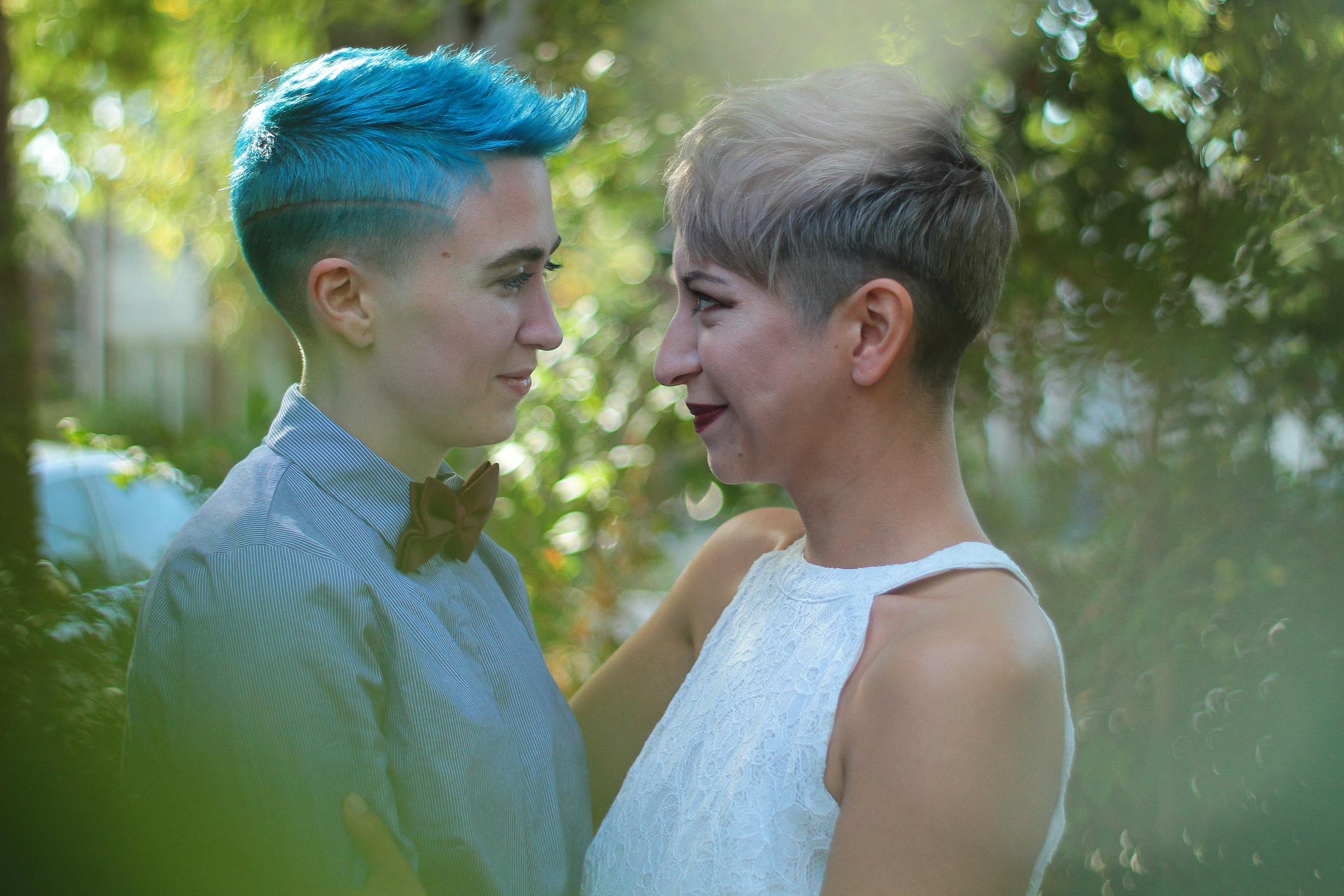
Two women on their wedding day after attending premarital counseling or marriage counseling in Fairfax, VA or Woodbridge, VA at the Center for Connection Healing and Change. Couples therapy in Fairfax, VA and Woodbridge, VA can help you reconnect and feel more connected in your marriage.

Does marriage counseling and/or couples therapy work? 

I view therapy as an investment. Like most investments, you get out of it what you put into it. Therapy requires your time, your focus, and your vulnerability. The therapeutic process is likely to provide positive gains for the self and your relationships and is an investment that is well worth committing to.

As mentioned above, if you and your partner are willing to lean into the work to make changes in your relationship, marriage counseling and couples therapy can be of great benefit. Furthermore, at CCHC we ensure our therapists are equipped to support you as you decide to invest in your relationship. 

Couples Therapy in Fairfax, VA and Woodbridge, VA is Focused on YOU

At CCHC, our couples therapists utilize Emotionally Focused Couples Therapy (EFT) when working with couples. EFT is an evidence-based couples therapy model validated by over 30 years of research. EFT provides a clear map for your therapist, as well as you and your partner in breaking unhealthy patterns, healing past fractures in the relationship, deepening your connection and strengthening your bond. 

With two committed partners and our trained therapists, your relationship has the opportunity to heal, grow and strengthen. 

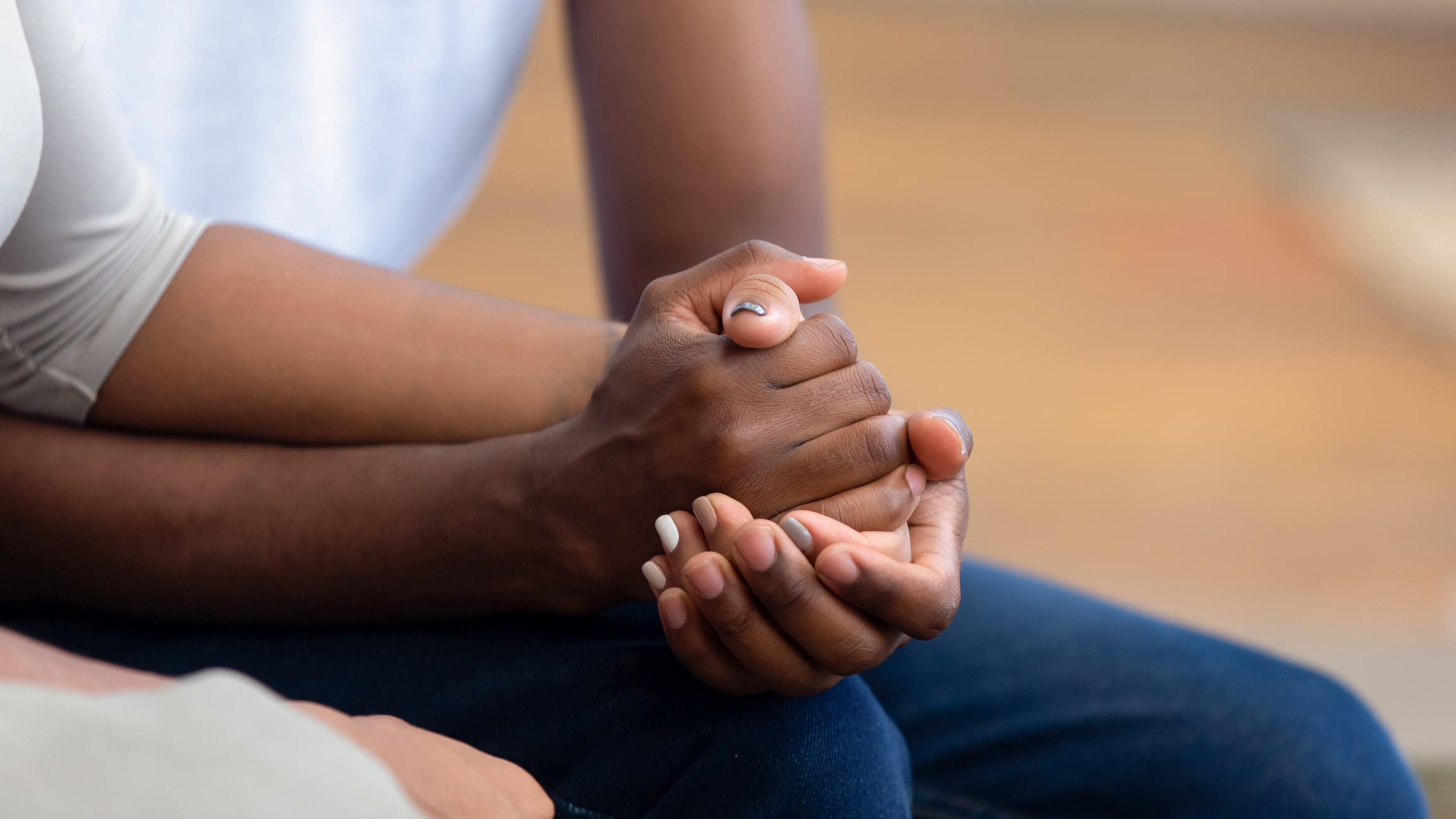
Couple holding hands during marriage counseling in Fairfax, VA. Couples therapy in Fairfax, VA and Woodbridge, VA helps you feel more secure in your marriage.

Interested in Couples Therapy or Marriage Counseling in Fairfax, VA?

If you and your partner are ready to explore your relationship dynamics and improve your relationship, our couples’ therapists can help. We have counseling offices in both Woodbridge and Fairfax, VA. If you want to begin couples therapy or marriage counseling, just follow these simple steps:

  1. Schedule an appointment at one of our two convenient locations in Woodbridge or Fairfax.
  2. Meet with a skilled couples therapist.
  3. Begin to explore connection and confidence as a couple.

Other Therapy Services at The Center for Connection, Healing and Change

Relationship problems are complicated and often individual members of your family need additional support. Our therapists want to help support your entire family. Therefore, we offer a wide range of mental health services in our Northern Virginia counseling offices. Our skilled, caring therapists provide counseling for individualsfamily therapysex therapy, yoga for healingmeditation and mindfulness practicecouples therapy and marriage counseling. When you are ready, we would be honored to be a part of your relationship journey.

What to do together when school is out? Recommendations for Fairfax families

Schools are closed and daycare centers are enjoying well-deserved time off over the Holidays. Does this leave you wondering how you’ll spend the extra family time together? I’ve compiled a list of activities in the Fairfax area for people of all ages to enjoy! This list is a great resource for this long vacation, as well as upcoming snow days. These activities are sure to give your family quality time, outside of the home, sparking creativity and connection while beinqg active right in the Fairfax Community.

Children’s Science Center – Fairfax, Fair Oaks Mall

The Children’s Science Center in Fairfax’s Fair Oaks Mall is an interactive, collaborative learning center focused on science, technology, engineering, and mathematics (STEM) exhibits. Your family can create, build, discover, and explore the endless exhibits with various challenges and crafts throughout your visit. The Science Center is for ages 2 and above, focusing on elementary school kids. However, there is plenty to enjoy for younger teenagers as well! A family outing sure to create enjoyable memories around innovation and learning.

Steven F. Udvar Hazy Center in Fairfax’s neighboring town of Chantilly is another great option for a family outing. The expansive warehouse gives the kids room to run and witness the various air crafts used throughout history. This hanger also includes airspace crafts, an IMAX theatre, and the Donald D. Engen Observation Tower to observe airplanes arriving and departing from Dulles Airport. This is a family favorite outing of mine for the Winter due to the indoor walking and exploring to move our bodies and exposure to history.

If you are looking for some more culture in your family, but don’t have the budget or patience to venture out to DC. There is a great option for you much closer to Fairfax. Next Stop Theatre is a professional theatre company that prides itself on being unique and bringing culturally diverse stories and plays to its’ stage. Not only do they have show options for your older, more mature children, but they often feature a Family Event show that is accessible and enjoyable for your younger ones.

Fairfax Indoor Playgrounds

For those parents that simply need a place for your young children, toddlers or babies to be active, exercise their bodies and minds in a warm, kid-friendly, safe location, Fairfax has endless options. Below is a list of my favorite Indoor Playgrounds for children.

    • Nook – Fairfax, Mosaic

  • Chuck E’ Cheese – Fairfax

Interested in Family Therapy in Fairfax?

If you and your family are wanting to feel more connected, change your relationship dynamics, or get support with parenting your child through a tough time, our teen and family therapists can help. We have counseling offices in both Woodbridge and Fairfax, VA. If you want to begin teen or family therapy just follow these simple steps:

  1. Schedule an appointment at one of our convenient locations in Woodbridge or Fairfax.
  2. Meet with a skilled family therapist.
  3. Begin to explore new ways to parent and connect as a family.

Other Therapy Services at The Center for Connection, Healing and Change

Relationship problems are complicated and often individual members of your family need additional support. Our therapists want to help support your entire family. Therefore, we offer a wide range of mental health services in our Northern Virginia counseling offices. Our skilled, caring therapists provide counseling for individuals, EMDR, yoga for healingmeditation and mindfulness practicecouples therapy and marriage counseling. When you are ready, we would be honored to be a part of your relationship journey.

Dreaming of your future in Fairfax? Consider these benefits of Pre-marital or Pre-commitment Counseling

Fairfax, Virginia has created a reputation for itself which includes great diversity, renowned public schools, endless housing options as well as proximity to various business and government organizations across all industries. Fairfax can also be a wonderful combination of suburban and urban amenities for all partnerships. It’s a desirable community for a couple looking to set down some roots.

With all that’s been mentioned, it’s no surprise Fairfax attracts so many newly married couples. If you and your partner are considering Fairfax as a place to begin your marriage or higher level of commitment such as moving in together or starting a family, it’s important to consider pre-marital or pre-commitment counseling to support stability and connection in a wonderful, yet fast-paced and high-stress community. Consider these benefits to premarital or pre-commitment counseling whether you currently reside in Fairfax or plan to settle down in this lovely area.

Understanding the Way You Communicate

In all relationships, we create patterns. You might be noticing that pattern already exists within your relationship that hinders or perhaps prohibit effective communication. Living in Fairfax requires effective communication as you both grapple with the stressors of life – the high cost of living, the large population, and the high-pressure work environments. When working with our skilled pre-commitment or pre-marital therapists, you and your partner will map out how you communicate with another and how your different ways of dealing with emotion, tension, or upset may be creating a well-worn ‘dance’. You will understand how perceptions, meaning-making, and past relationship experiences might be getting in the way of really hearing and understanding one another.

Intentionally Create A Shared Future

With a better understanding of your communication patterns and cycles, you will be able to discuss potential challenges or vulnerabilities, as well as future goals, more successfully. Together, you can build a life in Fairfax with a partnership that is satisfying, connected, and able to withstand the challenges of life as they arise. Additionally, if you already have children, or hope to add children to your family, it can be helpful to think through parenting, extended family, spiritual beliefs, and goals for your family life in Fairfax.

Deepen Your Emotional Connection

As our couples therapists can guide you and your partner in understanding your communication patterns, while supporting discussions around the future, and offer space for your emotional connection to deepen. Our therapists have a skilled way of encouraging each of you in turning toward one another and sharing your longings and fears as you prepare for your relationship to grow, and marriage or next-steps to begin. Our therapists will be alongside your relationship, supporting you to overcome any conversation or issue that may be difficult to navigate. Ultimately, supporting each of you to feel seen, understood and heard in your relationship.

Pre-marital and pre-commitment counseling with our skilled and trained couples therapists will support your relationship to start off in a healthy place as you start your future in Fairfax.  For more information please see our pre-marital and pre-commitment therapy page here.

Interested in Couples Therapy or Sex Therapy in Fairfax?

If you and your partner are ready to mix things up and improve your relationship, our couples’ therapists can help. We have counseling offices in both Woodbridge and Fairfax, VA. If you want to begin couples therapy or marriage counseling, just follow these simple steps:

  1. Schedule an appointment at one of our convenient locations in Woodbridge or Fairfax.
  2. Meet with a skilled couples therapist.
  3. Begin to explore connection and confidence as a couple.

Other Therapy Services at The Center for Connection, Healing and Change 

Relationship problems are complicated and often individual members of your family need additional support. Our therapists want to help support your entire family. Therefore, we offer a wide range of mental health services in our Northern Virginia counseling offices. Our skilled, caring therapists provide counseling for individualsfamily therapy, sex therapy, yoga for healingmeditation and mindfulness practicecouples therapy and marriage counseling. When you are ready, we would be honored to be a part of your relationship journey.

Fairfax Couples’ Therapist Recommends 5 Date Activities in the Fairfax area


The Importance of Staying Connected with your Partner during the Holidays

During this time of year, our schedules are full. Plus, our minds are stressed and our bodies are exhausted. It’s easy to slip into the routine of bingeing on your favorite television series after a hard day’s work. It’s easy to want to check out during an overscheduled weekend. Our partner may be put on the back burner of life. Sadly, we don’t always tend to our relationship in the ways it may need. 

Holidays bring out the “hectic” in all of us.

If the bond with your partner isn’t feeling strongest, this hectic time may feel even more challenging. Tough family dynamics and endless Holiday parties are filled with small talk. Often, we do this while juggling sugar-filled, over-stimulated kids. Loneliness and burnout are easy to feel.

However, with a sense of closeness and connection with your loved one, you may breeze through this holiday season with ease! You’ll feel the joy, love, and laughter! So, pull out the calendar. Next, pick your last few free dates and plan a night out and about in Fairfax,

Closeup of loving married couple holding hands while walking outdoors during date night in Fairfax, VA. Counseling available to strengthen your relationship in Northern Virginia.

Here are a few of our favorite date nights in Fairfax: 

  • Old Town Clifton Night Out 

Main Street in Clifton is my favorite date night spot in Northern Virginia. It’s small, but a breath of fresh air in our over-crowded and traffic-heavy streets.

You can begin your evening of connection over an intimate wine tasting at The Wine Attic. The owners create a personalized, private experience. Then, enjoy a quick walk on Main Street viewing the historic buildings and railroads. For a quaint, Italian experience, visit Trattoria Villagio. If you are hoping for something more elegant and modern, Trummer’s on Main can’t be beat with its vast menu of entrees and cocktails. 

  • Jammin’ Java – Vienna

You might not be able to escape the hectic holidays to attend a concert at The Anthem or Capital One Arena in DC. But, if you and your partner enjoy live music, visit Vienna’s Jammin’ Java for an intimate venue with talented musicians. You’ll be able to enjoy great music in the concert space,  and there is a Lobby Bar available for before or after show refreshments. Music has a unique, sensual way of tapping into parts of ourselves not accessible when immersed in the day to day grind. This date night is sure to strengthen your bond with your loved one. 

  • Muse PaintBar – Mosaic District 

Whether you are hoping to tap into your artistic side, or try something new, Muse PaintBar in Mosaic is a great night of fun and creativity. The artists will guide you and your loved one in creating a piece of art, and drinks and small bites are available. This night out is sure to be filled with expression, connection and even some friendly competition as you compare your final art pieces. 

  • Olly Olly Art Gallery – Historic Fairfax City 

If you aren’t in the mood to create your own art, you could always observe others! A visit to Olly Olly Art Gallery is sure to mix up the traditional date night activity as you view local and regional artist exhibits. Observing and discussing art is sure to open up each of your minds and hearts to one another as you share how you experience the different paintings, sculptures, mixed media art, installation or performance art. 

  • Jimmy Potters – Fairfax 

Jimmy Potters has a two date night experience as you create two clay pottery pieces. The follow-up date night, allows you to return to the studio and paint your creations together. This date may ignite some romance as you compare your experience to the iconic scene from ‘Ghost’! But at the very least, you are bound to experience laughter as you create memories, learn a new skill, and create a new piece for your home.

Happy couple at dinner in Fairfax, VA for date night | Couples Therapy and Marriage Counseling Fairfax, VA

Interested in Couples Therapy or Marriage Counseling in Fairfax?

If you and your partner are ready to mix things up and improve your relationship, our couples’ therapists can help. We have counseling offices in both Woodbridge and Fairfax, VA. If you want to begin couples therapy or marriage counseling, just follow these simple steps:

  1. Schedule an appointment at one of our convenient locations in Woodbridge or Fairfax.
  2. Meet with a skilled couples therapist.
  3. Begin to explore connection and confidence as a couple.

Other Therapy Services at The Center for Connection, Healing and Change

Relationship problems are complicated and often individual members of your family need additional support. Our therapists want to help support your entire family. Therefore, we offer a wide range of mental health services in our Northern Virginia counseling offices. Our skilled, caring therapists provide counseling for individualsfamily therapyyoga for healingmeditation and mindfulness practicecouples therapy and marriage counseling. When you are ready, we would be honored to be a part of your relationship journey.

The Center for Connection, Healing and Change is coming to Fairfax, VA!

The Center for Connection, Healing and Change (CCHC) is adding a second office location in Fairfax, VA!  We are thrilled to be able to broaden our reach and serve more clients in the Northern Virginia area.

Our new office is located at: 

10640 Page Ave. Suite 230, Fairfax, VA 22030

For more information about our Fairfax office, see our Fairfax Office web page or see the Google map.

CCHC’s first priority is your experience, as the client, as you decide if we are a good fit to support you or your family in the process of creating change. We strive for each person to feel supported, understood, and seen when they are working with us. In a recent client survey, 93% of our clients reported being “Very Satisfied” with their experience of CCHC. Additionally, our Google Review Rating is 4.7/5 Stars. 

We have are now accepting new individual, couple, and family clients for January appointments. We will support you in creating the relationships you long for – both with yourself and with the people you care for the most. If you are looking for relationship-focused, collaborative, skilled therapists trained in a wide variety of evidence-based models we invite you to give us a call to set up an Intake appointment to see how we can best meet your needs. We are particularly skilled in models that focus on attachment, family systems, trauma, emotional functioning, and the body/somatic concerns.

For more information about our services click here.

Find out more about our treatment philosophy click here.

If you are interested in booking an appointment or getting further information, please contact our Intake Coordinator at info@thecenterforconnection.com or 703.878.3290.

We look forward to being alongside you in your journey of growth and healing. 

Warm Regards,

Elayne Smith, LMFT

Founder


On Cultivating Mindfulness: Living Life Moment to Moment

Although we may be physically present in a given situation, it is possible to do many things in a “mindless” state. For instance, how many times have you driven home on autopilot, feeling like you have little recollection of the actual journey home? Or responded to a loved one impatiently or in haste, without putting much thought into the words we use? It happens to everyone, and understandably so. Most of us are busy, and constantly feeling the demands of day-to-day life. It’s easy for our mind to wander, following threads into the past or focusing on the future, causing us to miss what might be right in front of us. Luckily, there is a way to reduce our tendency to function on autopilot – it’s called mindfulness.

The idea of mindfulness has become increasingly popular in the Western world – it’s difficult to find someone who’s never heard of it. For many, the word “mindfulness” conjures up images of serene, happy people sitting cross-legged on a yoga mat. However, the truth is that mindfulness in practice can often be messy, frustrating, and even overwhelming – especially at the beginning of our journey with it. When we slow down and hone in on our moment by moment experience, it’s possibly to uncover sensations or experiences we would rather not notice. It has happened to me on a number of occasions. On the other hand, mindfulness is wonderful in that it can be practiced anywhere, by anyone, and has demonstrated benefits in a variety of areas, including stress management, reducing anxiety and helping us cope with pain, to name a few (Brown & Ryan, 2003). Regular mindfulness practice has also been associated with positive changes in brain and immune system functioning (Davidson, Kabat-Zinn, Schumacher, Rosenkranz, Muller, Santorelli, Urbanowski, Harrington, Bonus & Sheridan, 2003).

But what exactly is mindfulness? Essentially, it is a state of conscious awareness. Mindfulness is the ability to be fully present with our thoughts, emotions and sensations as they arise while not being reactive to them. Jon Kabat-Zinn defines mindfulness as “paying attention in a particular way: on purpose, in the present moment, and nonjudgmentally.”

In graduate school, I took a course on mindfulness in which I got into the habit of doing daily meditations. This morning as I sat on my cushion, I noticed tension in my shoulders as I thought about all I had to do today, but I also noticed excitement about what this day would bring. I noticed a lot of emotions associated with expectations I needed to meet, but also fears about failing to meet those expectations I’ve set for myself. Our emerging thoughts and feelings have a natural ebb and flow to them, some pleasant, some less so, but all equally a part of the web of experience.

In practice, mindfulness can take on many forms. For instance, it can refer to the use of guided meditations that instruct you to focus on your breath or some sort of visual, or it could involve music that allows you to clear your mind for a few minutes. Some people find that they prefer to practice silent mindfulness meditation. Others practice mindfulness during daily activities – such as focusing on the thoughts and sensations that arise for you while you do a routine task, like eating, washing the dishes, or walking the dog. There isn’t a “right” way to be mindful. In other words, there isn’t some ultimate “goal” we are trying to achieve or a destination we are heading toward – mindfulness is more about cultivating a deeper awareness and presence in our lives. It allows us to become friends with our inner worlds.

So, mindfulness isn’t about changing our experience itself, but rather to change the relationship we have with our experience.  Regardless of whether certain thoughts or feelings never “go away” or change, if we can be present with those experiences with compassion and acceptance, the effect they have on us will shift and they will no longer grip us.

If you or someone you know is interested in learning more about mindfulness and its applications to everyday life, contact us to learn more about our mindfulness services.

Jessica Escobar, LMFT

(LINK)

References for articles mentioned above:

1. Brown, K.W. and Ryan, R.M. (2003). The Benefits of Being Present: Mindfulness and its Role in Psychological Well-being. Journal of Personality and Social Psychology, 84(4), 822-848.

2. Davidson, R.J., Kabat-Zinn, J., Schumacher, J., Rosenkranz, M., Muller, D., Santorelli, SF., Urbanowski, F., Harrington, A., Bonus, K. and Sheridan, J.F. (2003). Alterations in Brain and Immune Function Produced by Mindfulness Meditation. Psychosomatic Medicine, 65, 564-570.

Four Tips for Successful Family Blending

4 Tips for Successful Family Blending

Although blended families are becoming more and more common, the unique difficulties around forming a new family continue to be a challenges experience for all involved.

Some common concerns from the parents include: How do you validate your new partner and your children without alienating the other? How do you create a bond with these new children? And for the children, how do they begin to cope with this new adult in their life while still trying to process the divorce? And… who are these new kids living in their house?

Here are some tips to support blending your family in a healthy and supportive way.

  1. New Couple’s Bond is the glue!

The complex set of challenges ahead in blending a family requires a strong, united front. Ensure communication remains, open, respectful and safe between you and your partner. The commitment to maintaining a strong, healthy connection will support the both of you in addressing whatever problems that show up along the way.

  1. Boundaries, Boundaries, Boundaries

Those first few months, and even years, will require boundary setting with people in your extended network. Firstly, being clear with your previous spouse around your needs and expectations will support the new relationships to formulate and crystallize. Boundary clarification may also be needed for past family members, friends and colleagues.

Additionally, clear communication around the expectations of your new family members will support initial anxiety as the family blends. For example, being open about how affection will be shown between new family members can be helpful in creating safety with one another. Boundaries between you and your partner may also be needed around discipline and parenting conversations with biological and step children.

  1. Allow for Grieving

The grieving does not only happen for you and the end of your marriage. The grieving occurs for your children as well around the loss of the past family unit. This grieving may even extend to their prior home, extended family members, friends and connections in that prior version of their life. 

Reactions to step-family formation is a response to insecurity of a family looking one way and then suddenly looking different. Behaviors in children can show up as an attempt to protect the fear of “will this happen again?”. The experience of loss and need for grieving will be increased if the divorce is high conflict.

  1. Find Support

You and your partner want to ensure you have support around you that will ground you when challenges are feeling tough or unmanageable. As the needs of each family members are likely to increase during this transition, engaging in family therapy can support the entire family system.

Family therapy for blended families allows the space for a professional to support the competing needs of each family member while normalizing the challenges of step-family formation. Additionally, the family can create new patterns of communication and connection in a healthy and intentional way.


Furrow, J., & Palmer, G. (2007). EFFT and Blended Families: Building Bonds from the Inside Out. Journal of Systemic Therapies, 26(4), 44-58. doi:10.1521/jsyt.2007.26.4.44


Stavrianopoulos, K., Faller, G., & Furrow, J. L. (2014). Emotionally Focused Family Therapy: Facilitating Change Within a Family System. Journal of Couple & Relationship Therapy, 13(1), 25-43. doi:10.1080/15332691.2014.865976

Anxiety and Yoga Therapy

Anxiety & Yoga Therapy

Are you a Pinball Wizard? Racing and bouncing daily between destination points: home, work, carpooling kids, grocery store, last-minute errands. Factor in groan-inducing hurdles like traffic, unexpected deadlines, a miscommunication with someone special, maybe a lost night’s sleep worrying about juggling details or staring at your phone checking emails…

Where does your self-care fit into the list?

We become conditioned to think a Netflix-binge or tunneling into social media allows an escape, but afterward did you find that true calm and grounding you were seeking? Still waiting to catch your breath?

Living in a culture dominated by multi-tasking, material distractions and compulsive screen time, it is easy to feel disconnected and overwhelmed. Many of us have lost the ability to sit in peaceful stillness and feel centered within in our body, mind, and breath.

Consistent and excessive stressors cause anxiety, which can affect the ability to pilot daily living. Forty million adults in the United States are affected by anxiety. Anxiety and stress take a toll on an individual’s ability to navigate the tightrope associated with maintaining life-work balance. Individuals with ongoing anxiety experience symptoms manifesting as restlessness, sleep disturbance, irritability, chronic headaches, muscle tension, gastrointestinal difficulties, depression, decreased receptiveness to new experiences, disconnection from social support systems, and/or a diminished sense of fulfillment.

With nearly one-fifth of the American population experiencing anxiety and related symptoms, the challenge of maintaining self-care practices and life balance is a very real experience.

Living with chronic anxiety, one’s mind and body struggle excessively to counterbalance stressors. Unable to claim grounding, the stress-response perpetuates. Chronic anxiety creates dysfunction in the body’s stress-response system preventing the mind and body from effectively returning to a state of calm. This imbalance in the nervous system has far-reaching effects on emotional regulation, cognitive function, and social relationships, as well as with proper functioning of the cardiovascular, respiratory, gastrointestinal, and immunological systems.

Yoga therapy can help. Research shows the yogic elements of breath, meditation/visualization, and mindful movement can address the ramifications of chronic anxiety. Benefits include re-balancing the nervous system’s stress-response cycle, neuroplasticity to retrain the brain how to respond in stressful moments, neuromuscular re-education to teach the body how to be strong yet flexible, and improving a sense of connectedness to self and social networks.

With practice, one can begin to recognize and reduce the symptoms associated with anxiety. Learn how to reset the mind, breath, and body to more calmly and intentionally respond in any given moment.


Anxiety and Depression Association of America. https://adaa.org/about-adaa/press-room/facts-statistics

The International Association of Yoga Therapists (2016). Contemporary Definitions of Yoga Therapy. http://www.iayt.org/?page=ContemporaryDefiniti

Khalsa, S. B. S., Cohen, L., McCall, T., & Telles, S. (2016). The Principles and Practice of Yoga in Health Care. Edinburgh, UK: Handspring Publishing Limited.

Locke, A. B., Kirst, N. and Shultz, C. G. (2015). Diagnosis and Management of Generalized Anxiety Disorder and Panic Disorder in Adults. American Family Physician, May 1;91(9):617-624. http://www.aafp.org/afp/2015/0501/p617.html

Schmalzl, L., Powers, C., & Henje Blom, E. (2015). Neurophysiological and neurocognitive mechanisms underlying the effects of yoga-based practices: towards a comprehensive theoretical framework. Frontiers in Human Neuroscience, 9. https://doi.org/10.3389/fnhum.2015.00235

Wisneski, L. A., and Anderson L., (2009). The Scientific Basis of Integrative Medicine. Boca Raton, FL: CRC Press.


What is the difference between a Yoga Class and Yoga Therapy?

Yoga Class:

In western culture, public yoga classes are generally viewed as a system of exercise – opportunities to develop, deepen, or finesse a physical practice with like-minded individuals. More often than not, the class focus remains primarily on the physical body. While this approach can instill moments of peace and playful challenge that may offer a therapeutic effect, it does not always allow for caution or adaptations or self-advocacy to ensure your injuries or chronic conditions are taken into account.

Yoga Therapy:

Yoga therapy is an integrative mind-body therapeutic modality that adapts the yogic elements of breathing techniques, mindful movement, guided imagery, and meditation/visualization to address the disconnection and dis-ease in breath, body, and mind.

For individual work with a client, a treatment approach begins with an initial consultation to build an understanding of the client’s situation, environment, history and desired goals, and to perform musculoskeletal assessments. Additional sessions allow deeper exploration and continued refinement of how mind, body, and breath align. A client’s collaborative input is integral to creating a specialized, realistic, and sustainable plan of care that respects time allowance, interests, healthy challenge, and which progresses toward identified goals. Consistency and commitment are key.​

Plans of care are developed from scientific research and evidence-based practices proven to relieve suffering and/or illness symptoms; improve functioning across physical, energetic and mental-emotional layers; and, empower individuals through the process of self-reflection, healing, education, and personal evolution. Each approach is uniquely adapted to the needs of the individual client.

One does not need prior knowledge or experience with yoga to benefit from yoga therapy. Everything will be customized to meet you exactly as you are.


Divorce Discernment Counseling

Discernment counseling is an approach tailored to specifically work with couples in the process of considering the future of their relationship.   Approximately 30% of couples who enter into couples therapy are qualified as ‘mixed agenda’ couples, meaning there is one partner ‘leaning out’ of the relationship, con

Nook – Fairfax, Mosaic

sidering moving forward with separation or divorce; the other ‘leaning in,’ meaning they are hoping to save and strengthen their relationship.   Of couples that are already proceeding forward with the divorce process, approximately 40% are deemed ‘mixed agenda’ couples.  This creates a difficult starting point for couples therapy and can often mean that couples counseling falls flat before it can get to the root cause of the problems between partners.

The average legal cost for divorce is $15,000.  Paired with emotional distress, impact on children, financial constraints, and the social implications, it is important to make an informed choice about this important relationship.  The goal of discernment counseling is to provide a structured, brief approach to ‘mixed agenda couples’, in which partners gain clarity and confidence on which path to choose.  Partners utilize sessions to explore their relationship history, emotional injuries, whether they believe their problems are solvable, the impacts on their life and children, their role in getting to this place in their marriage and their emotional needs.  The role of the therapist is as a facilitator and processor, utilizing a nonjudgmental stance in the room, and working with each partner to explore their own longings, needs, roles, and injuries in the relationships.  

We support clients to gain confidence in their decision to either move forward with couples therapy, divorce, or remain in the marriage.   Discernment Counseling can also be a helpful starting point for couples that are unsure if they want to commit to couples therapy.  Couples and therapists can often struggle to gain traction in session f they are feeling protective, ambivalent or lack clear goals.  Once a couple feels their issues are solvable and they want to make the transition to couple’s therapy, we provide referrals to couple’s therapists that are trained and skilled in your particular areas of need.

Separation and divorce are a huge transition for all parties involved.  Individual therapy offers support with: grieving the loss of the relationship and future plans; coping with distress, anger, depression, anxiety, financial constraints, and exploring the impact on how you view your self.  

If couples decide to divorce, the focus shifts to providing support to the children.  Parents can utilize services to transition from a couple to co-parenting individuals.  We provide Co-Parenting and Family Therapy services to facilitate secure and stable family connections going forward. Research shows that children’s ability to cope with divorce tends to reflect and follow the parents’ ability to cope. Children look to their primary secure attachment figures in their life for guidance through distress.  Family Therapy can be an  important tool in providing a safe space for partners as well as for children to explore their difficulties with navigating this new world. 

Blaisure, K. R., Ph.D. & Geasler, M. J. Ph.D., (n.d.). Children and Divorce. Retrieved July 14, 2016, from https://www.aamft.org/iMIS15/AAMFT/Content/Consumer_Updates/Children_and_Divorce.aspx

Bozzo, A. (2012, May 7). The Cost of Divorce and Marriage. Retrieved July 14, 2016, from http://www.cnbc.com/id/46806960

How much Divorce Cost in the USA. (n.d.). Retrieved July 14, 2016, from http://www.divorcestatistics.info/how-much-does-divorce-cost-in-the-usa.html

Kruk, E., Ph.D. (2012, November 20). Family Therapy and Parenting Coordination to reduce conflict. Retrieved July 14, 2016, from https://www.psychologytoday.com/blog/co-parenting-after-divorce/201211/family-therapy-and-parenting-coordination-reduce-conflict